
Last updated November 25, 2026
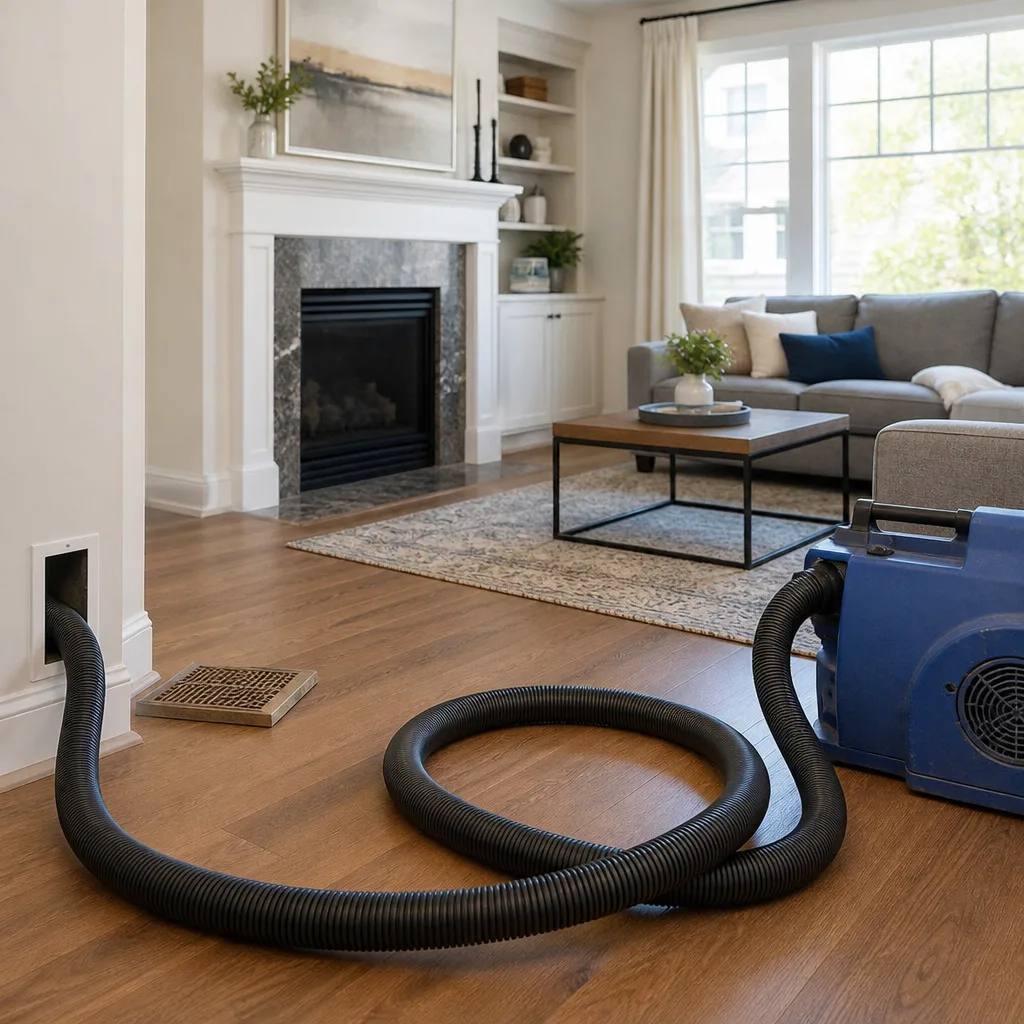 Whole-home duct cleaning
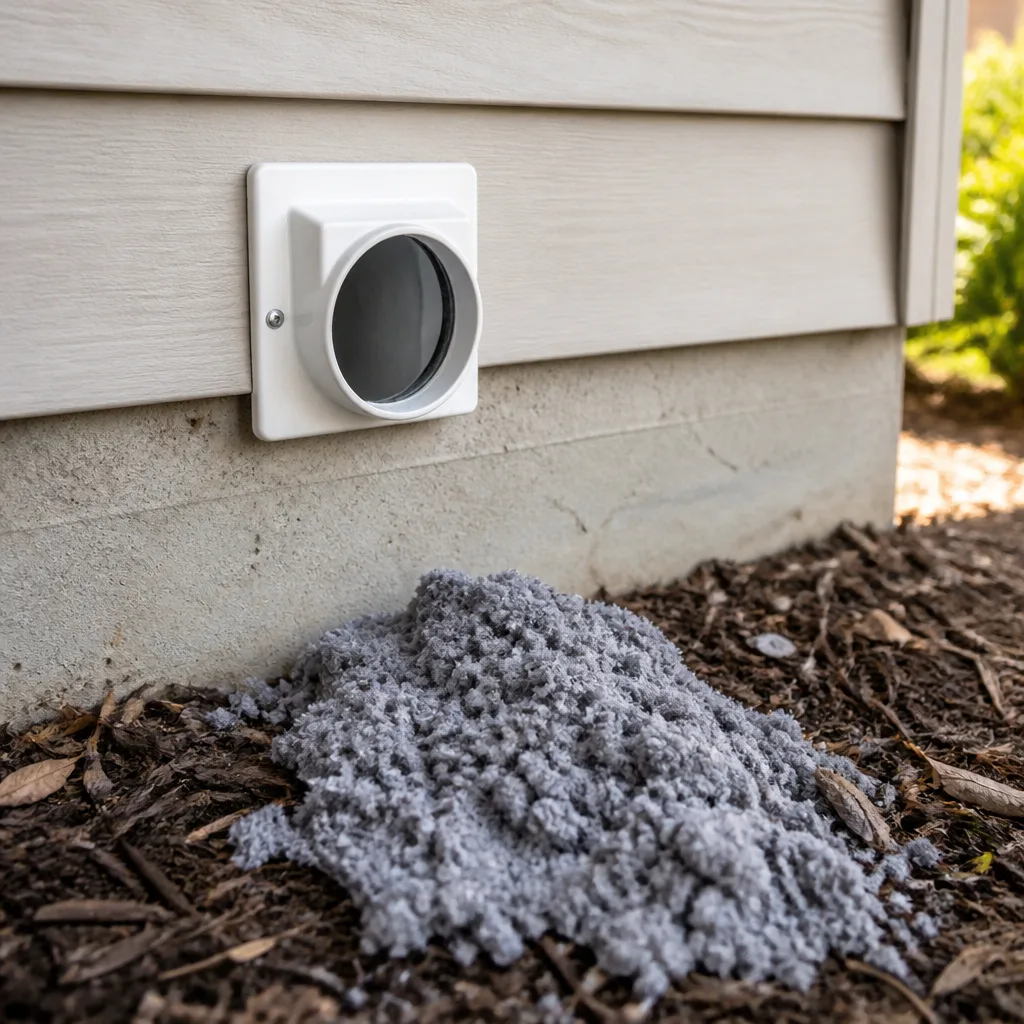 Dryer vent cleaning
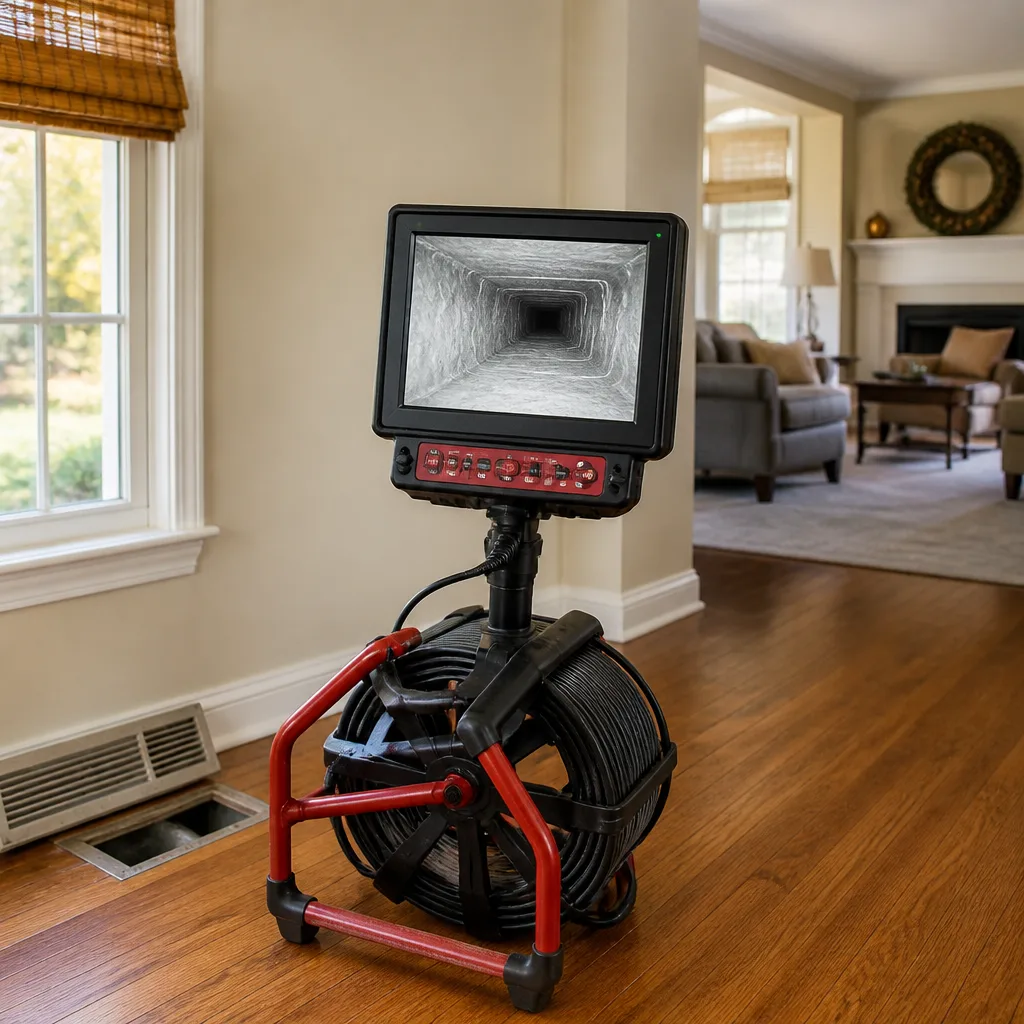 Camera inspection
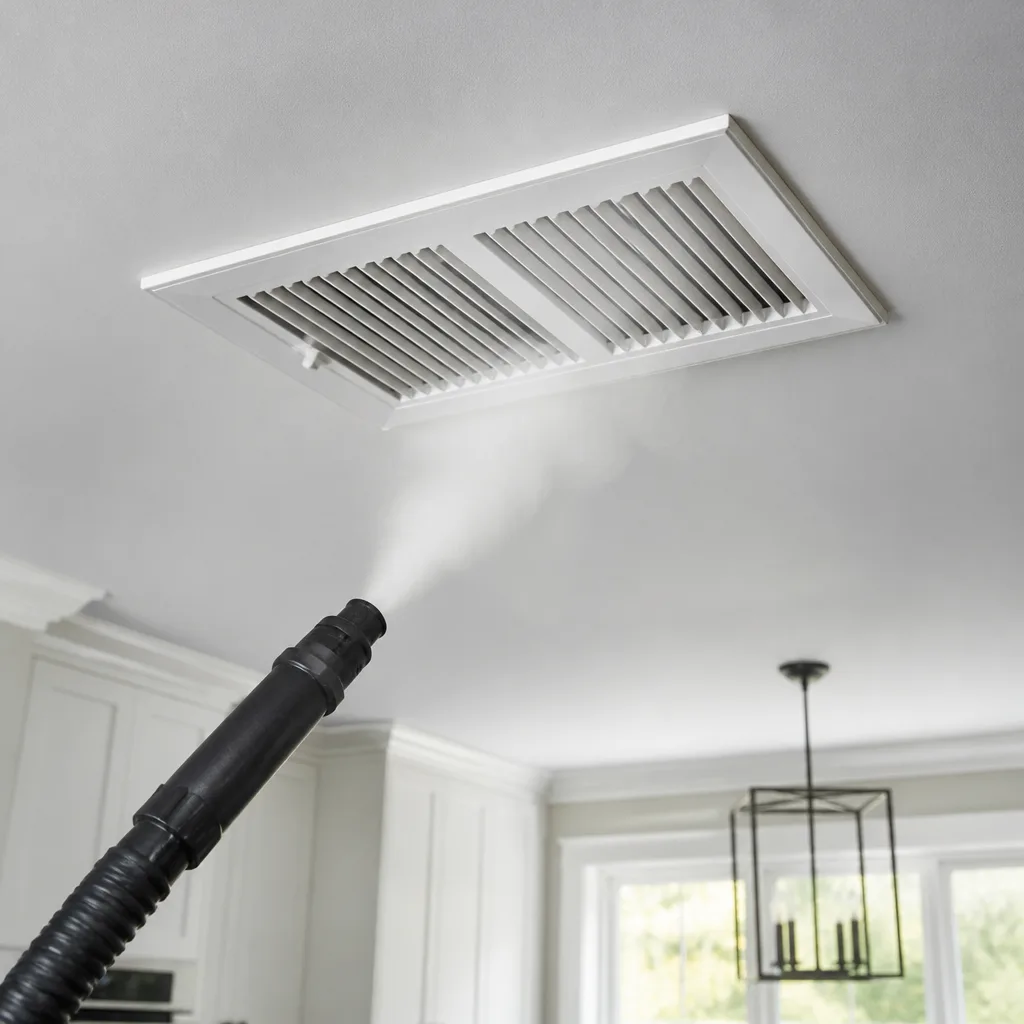 Sanitizing & deodorizing
Whole-system duct and dryer vent check with before-and-after photos - you see exactly what came out of your vents
That "$99 whole-house special" is a bait ad - the real number appears once they are in your hallway, or the "clean" is a shop-vac at the register. We photograph the inside of your ducts before and after instead.
Air Duct Cleaning Permits, Codes & Inspections in Great Kills, NY: What You Need to Know
Most homeowners assume air duct cleaning is always a no-permit job, and for the cleaning itself, that’s usually true. The confusion starts the moment a technician proposes something beyond cleaning: sealing a joint, swapping a section of flex duct, or hardwiring a UV purifier to the air handler. Under New York City’s building rules, those steps can shift a routine maintenance visit into an alteration, and the line between the two isn’t printed anywhere a homeowner would naturally look. We put this guide together because the paperwork questions deserve the same care as the cleaning itself. If you live in Great Kills and you’re weighing what your duct work actually requires, this walks you through permits, contracts and inspections one step at a time.
Quick Answer
Cleaning your ducts, on its own, generally does not require a permit in Great Kills or anywhere else on Staten Island. What can require one is anything that changes the duct system or HVAC equipment: replacing sections of duct, cutting in new returns, or installing hardwired air quality equipment like a UV germicidal lamp or electronic air cleaner at the air handler. Those jobs may count as alterations under the New York City Building Code and are handled by licensed contractors who pull permits through the NYC Department of Buildings. Cleaning within the existing system stays maintenance.
Styles & brands we work with
- Whole-home duct cleaning
- Dryer vent cleaning
- Camera inspection
- Sanitizing & deodorizing
Table of Contents
- What Counts as Maintenance vs. an Alteration in Staten Island
- When Duct Sealing Needs a Licensed Contractor
- Permits for UV Purifiers and Electronic Air Cleaners at the Air Handler
- Post-Sandy Duct Replacement and the Inspection Trail in Great Kills
- EPA 608, NADCA and the NYC Home Improvement Contractor License
- What to Ask Before You Sign Anything
- How the Inspection Process Actually Goes
- Documenting Your Duct Work for a Future Home Sale
What Counts as Maintenance vs. an Alteration in Staten Island
The New York City Building Code separates work on a building’s mechanical systems into maintenance, which keeps a system functioning as it always has, and alteration, which changes it. The practical difference for duct work comes down to whether the shape, capacity or layout of the system changes.
Maintenance includes the kind of work a duct cleaning company does every day. Removing debris from inside the ducts, sanitizing the interior surfaces after cleaning, and reconnecting a loose boot to a register fall on the maintenance side. So does cleaning the air handler’s blower compartment as part of a scheduled air duct cleaning visit. You aren’t changing the system; you’re restoring it to what it was designed to do.
Alteration is a step further. Replacing a run of flex duct with rigid pipe changes the pressure characteristics of the system. Cutting a new return into a wall creates an opening that wasn’t there before. Resizing a trunk line, moving a register or adding a branch for a finished basement all change the system’s design. Those jobs typically require a permit and a licensed contractor to perform them.
In Great Kills, where most housing stock dates to the post-war decades, we see a lot of original galvanized sheet metal ductwork that’s still doing its job. A cleaning visit on that kind of system is straightforward. It’s the repair and retrofit work that usually triggers the permit conversation, and it’s worth having that conversation before a technician starts cutting.
One thing to keep in mind: the NYC Department of Buildings enforces the code across all five boroughs, including Staten Island. That means a Great Kills homeowner isn’t dealing with a separate local code authority. The rules that apply in Brooklyn or the Bronx apply here too.
When Duct Sealing Needs a Licensed Contractor
Duct sealing sits right on the line, and this is where most homeowners get confused. A few inches of mastic around a joint that a technician opened during cleaning is incidental. A whole-house sealing project that closes dozens of leaks, changes how the system pressurizes, and includes new metal or mastic on joints that were never touched before is a different kind of job.
Here’s how we’d sort it:
- Incidental sealing during cleaning. If a technician opens a joint to reach the duct interior and reseals it afterward with mastic or approved tape, that’s part of the cleaning. No permit, no separate contractor.
- Targeted repair of a known leak. A single disconnected joint, a torn flex duct connector, or a boot that’s pulled away from the register gets sealed as a small repair. This sits in a gray zone, and many HVAC contractors treat it as maintenance if nothing about the system’s design changes.
- Whole-system sealing or duct replacement. If the plan is to seal the entire trunk and branch system, replace flexible runs with rigid, or add sealed plenums that weren’t there before, that’s alteration work. It may need a permit, and it should be done by a licensed HVAC contractor, not a cleaning company.
We seal what we clean, and we’re clear about where our scope ends. A HVAC cleaning visit that includes resealing the joints we opened is normal. Installing a new sealed duct system or rerouting returns is licensed contractor territory, and skipping that step leaves a paper trail a home inspector will notice later. The trade-off is worth saying out loud: the extra cost of doing it right is small compared with a permit issue surfacing during a sale.
Permits for UV Purifiers and Electronic Air Cleaners at the Air Handler
Air quality equipment is where code questions become more common, because installing it often touches the electrical system. A UV germicidal lamp or an electronic air cleaner mounted inside or on the air handler usually needs power, and getting power to that equipment can cross into electrical work that the NYC Electrical Code covers.
Here’s the practical distinction we explain to homeowners:
- Plug-in, surface-mounted units. Some Aprilaire and Honeywell filtration units are designed to be installed externally with a plug-in connection. These are usually treated as appliance additions rather than alterations, though the installer should still tell you how the unit is being connected.
- Hardwired UV germicidal systems. A UV lamp that’s wired into the air handler’s electrical circuit is a change to the electrical system. That work should be done by a licensed electrician, and it may require a permit through the Department of Buildings.
- In-duct electronic air cleaners. These often need a dedicated circuit and a control connection with the blower. Similar rules apply: electrical alteration, licensed electrician, sometimes a permit.
We install air quality solutions built around Aprilaire and Honeywell equipment as part of a broader air quality service. When a job needs an electrician, we tell you that directly rather than attempting wiring outside our scope. Homeowners in Great Kills who’ve had a UV system installed without any documentation sometimes discover the gap when the unit fails and the warranty needs proof of proper installation.
If you’re unsure whether the equipment you’re considering counts as alteration work, the fastest answer comes from your contractor’s licensed electrician or from the NYC DOB. Ask before the wire goes in, not after.
Post-Sandy Duct Replacement and the Inspection Trail in Great Kills
Hurricane Sandy reshaped a lot of duct systems on Staten Island, and the effects are still visible in home inspection reports more than a decade later. Floodwater that reached into basements and crawl spaces in low-lying blocks of Great Kills damaged ductwork, insulation and air handlers. Many homeowners replaced that equipment afterward, and some of those replacements were done without permits.
Why does this matter now? Two reasons. First, if you own a home in one of those areas and buy it after 2012, the duct system you inherit may have been retrofitted by a contractor who didn’t pull a permit. Second, if you sell, a buyer’s inspector may flag ductwork that differs from the original plans, and unpermitted work on record can slow the sale or produce a repair credit request.
What we suggest if you suspect your Great Kills home had post-Sandy duct work:
- Request any permits pulled for the replacement from the NYC Department of Buildings before you buy or sell.
- Compare the current duct layout to the home’s original HVAC drawings if you have them. Different layout, different trunks, or a relocated air handler are clues.
- Have the system inspected by a licensed HVAC contractor before relying on it for a purchase decision.
- Treat any duct replacement done in the immediate post-flood period without documentation as something to verify, not assume.
A thorough air duct cleaning pass on a rebuilt system is a good idea regardless. It tells you what’s actually inside the ducts and catches broken connectors or sheet metal left loose in the scramble to get heat back on. If you’re buying in Great Kills, spending the cost of a cleaning visit before signing can save you from an expensive surprise.
EPA 608, NADCA and the NYC Home Improvement Contractor License
Three different credentials get mentioned in HVAC contracting conversations, and they mean three completely different things. Homeowners who mix them up often hire the wrong professional for the wrong task.
EPA Section 608 certification is a federal credential for handling refrigerants. It applies to technicians who work on the refrigerant circuit inside air conditioners and heat pumps. It says nothing about duct work, and it doesn’t authorize anyone to install new ducts or make structural changes to an HVAC system.
NADCA membership comes from the National Air Duct Cleaners Association. It’s a trade association credential for duct cleaning companies, and it signals that the company follows an industry standard for cleaning methods and equipment. NADCA doesn’t issue permits and doesn’t authorize alteration work.
The NYC Home Improvement Contractor (HIC) license is the license required for contractors doing home improvement work in New York City, and it’s issued through the NYC Department of Consumer and Worker Protection. If a contractor proposes structural duct changes, duct replacement, or larger home improvement work, they should be able to show this license. Any HIC license also carries insurance requirements the contractor has to maintain.
What this means for a Great Kills homeowner:
- For cleaning work, ask whether the company uses professional-grade equipment and trained technicians, and ask how they document the results.
- For duct replacement or system changes, ask for an HIC license and confirm the contractor will pull permits through the NYC DOB.
- For refrigerant work, ask for EPA 608 certification. Refrigerant handling is a separate legal requirement from duct work.
- For electrical changes like UV purifier wiring, ask for a licensed electrician.
We perform cleaning, sanitizing, duct repair and sealing, dryer vent cleaning and HVAC cleaning within the scope that our training and equipment support. When a job crosses into licensed electrical or structural HVAC work, we tell you clearly and, where relevant, refer you to the right professional. That transparency matters more than appearing to do everything.
What to Ask Before You Sign Anything
Most disputes about permits and code start with a job that was described vaguely. A short list of questions before work begins prevents almost all of it. Ask them out loud and write the answers down.
- “Is this work maintenance, a repair, or an alteration?” The contractor should know the difference and tell you in plain language. If they can’t, that’s a sign to slow down.
- “Will this job require a permit?” For a straight cleaning, the answer is usually no. For duct replacement, new returns, or hardwired electrical work, the answer is often yes. A contractor who says a permit isn’t needed for a system change is worth questioning.
- “Who pulls the permit?” Usually the licensed contractor performing the alteration, not the homeowner. Make sure the permit is in the contractor’s name so the inspection trail is clean.
- “What license do you hold?” For structural or system-level work, that’s the NYC Home Improvement Contractor license. For cleaning, ask about equipment and process.
- “Will you document the work?” Before-and-after photos of your ducts, a written description of what was cleaned and sealed, and a copy of any permit or inspection paperwork are all reasonable to request.
We answer all of these during an estimate in Great Kills. What we won’t do is tell you a duct replacement requires no permit just to move a job forward. And we’d rather walk you through what a licensed electrician or HVAC contractor would need to handle than let a job cross into their territory without disclosure.
How the Inspection Process Actually Goes
If a permit has been pulled for duct work, an inspector from the NYC Department of Buildings will typically visit at one or more points to check that the work matches the plan. The sequence is fairly consistent.
- Permit approval before work starts. The contractor submits plans, the DOB reviews and issues the permit. Work cannot begin until the permit is active.
- Rough-in inspection. For duct replacement or new returns, an inspector checks the installation before it’s sealed behind finished walls or ceilings. This is when framing and duct connections get verified.
- Final inspection. After the job is complete, the inspector confirms the work matches what was approved. The permit is then closed out.
- Documentation. The property record updates to reflect permitted work. You or your contractor should keep a copy.
Cleaning work isn’t inspected this way because it doesn’t go through a permit. That’s why documentation from your cleaning company matters. Before-and-after photos, a written scope, and sanitizing records give you a verifiable record of what was done inside the system, which is worth having if anything goes wrong later.
For Great Kills properties where post-Sandy duct replacement is on record, an inspector may have already signed off. For properties where it wasn’t, the gap remains until someone pulls the record. If you suspect unpermitted work on your home, the most efficient path is to contact the NYC DOB directly and ask what’s on file.
Documenting Your Duct Work for a Future Home Sale
Home inspectors in Great Kills typically open the air handler cabinet and check accessible duct connections. What they can’t see is whether the interior of your ducts was ever properly cleaned, whether a repair was done correctly, or whether a UV system was wired to code. Documentation answers those questions.
What’s worth keeping on hand:
- Cleaning records. Date of service, equipment used (Rotobrush and Nikro systems, in our case), and before-and-after photos of your ducts.
- Sanitizing records. What product was applied, and by whom. Guardsman-grade sanitizing treatments are a meaningful record to have.
- Repair and sealing records. What was sealed, what materials were used, and who performed the work.
- Permits and inspection approvals. Any permits pulled for duct or HVAC alterations, with copies of the closed-out permits.
- Air quality equipment documentation. Installation records for Aprilaire or Honeywell equipment, and the electrician’s sign-off if the unit was hardwired.
In our experience, homeowners who keep these records have an easier sale when the time comes. The buyers’ agent asks fewer questions, the inspector’s report gets cleaner responses, and any concern about unpermitted post-Sandy work is answered with paper rather than a verbal explanation. A Great Kills home with good records is easier to sell at a fair price.
Common Mistakes to Avoid
- Assuming no permit is ever needed for duct work. Cleaning doesn’t require one, but replacement and system changes often do. Ask the contractor to state which category the job falls into before signing.
- Letting a cleaning company make structural changes without the right license. If a technician proposes replacing flex duct with rigid pipe or cutting new returns, that’s licensed contractor work. A cleaning visit should not quietly become an unpermitted alteration.
- Skipping the permit because it’s “just a small change.” In Great Kills, small changes are exactly what shows up in a later home inspection. Every permit pulled in the contractor’s name protects you when the home changes hands.
- Hiring a post-Sandy rebuild without checking the record. If you’ve bought or are buying a home in a flood-affected block of Great Kills, pull the DOB record for any duct replacement done after 2012. Unpermitted work is common.
- Confusing EPA 608, NADCA and HIC. EPA 608 covers refrigerants. NADCA signals cleaning industry membership. The HIC license covers home improvement work in NYC. Different tasks need different credentials.
- Hardwiring a UV purifier without an electrician. A plug-in unit is often fine; a hardwired system usually needs licensed electrical work and possibly a permit. Homeowners who wire it themselves sometimes void the product warranty.
- Throwing away the documentation. Cleaning photos, sanitizing records and permit paperwork are worth more than they cost to keep. Store them with your home’s other records.
See the difference
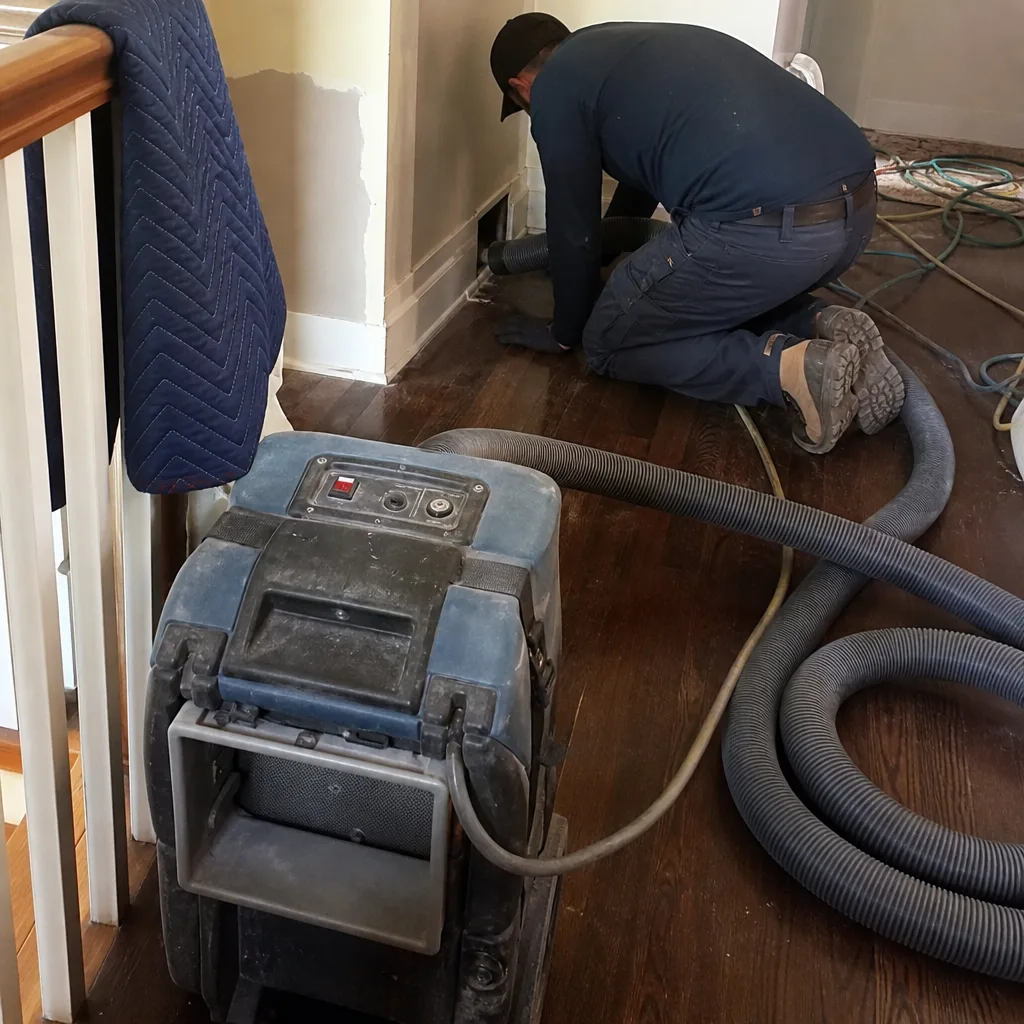 Before
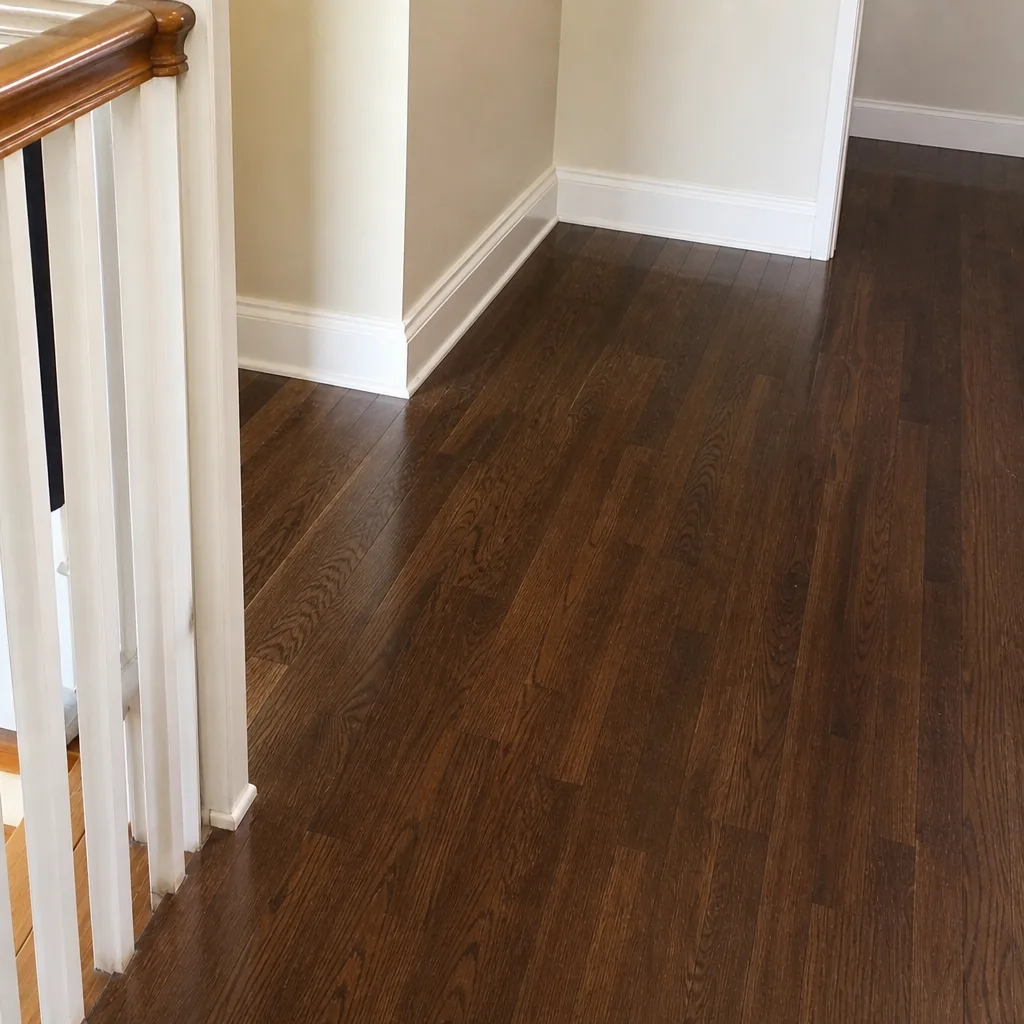 After
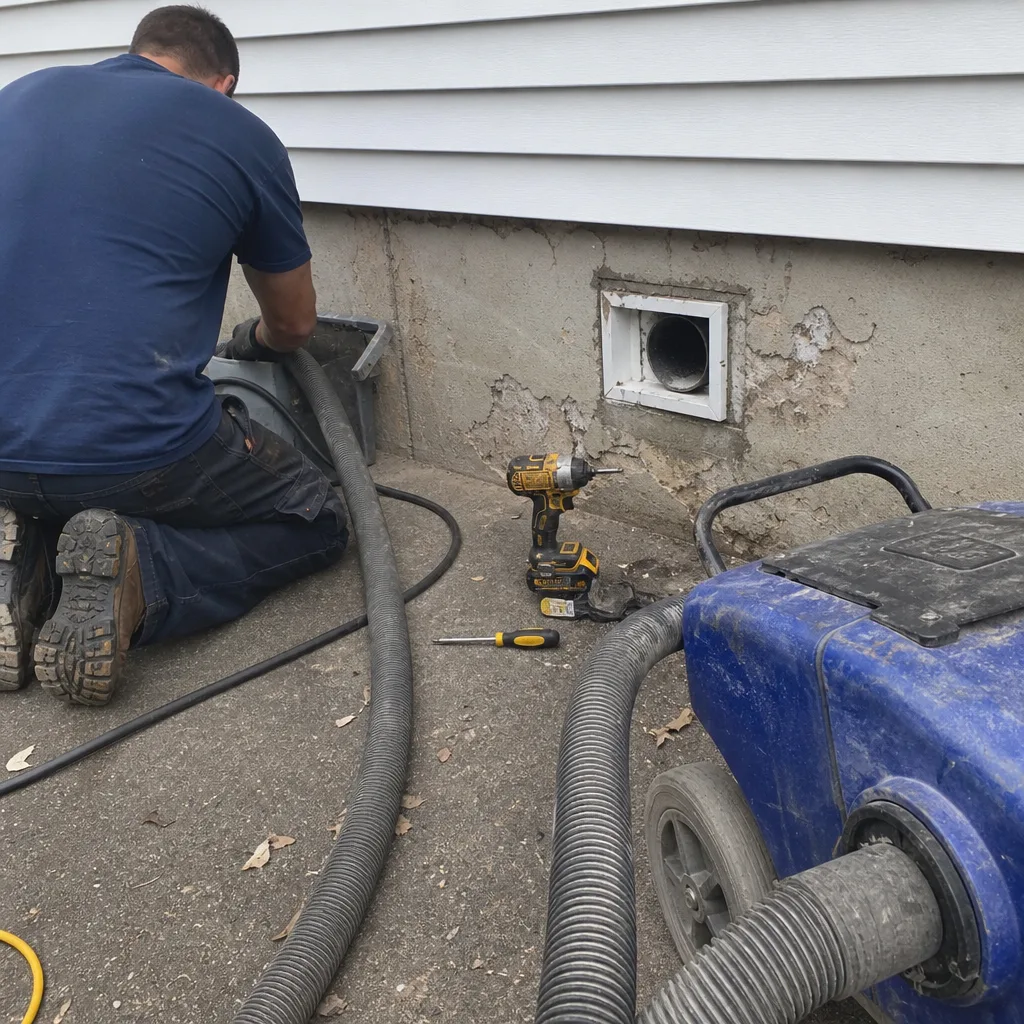 Before
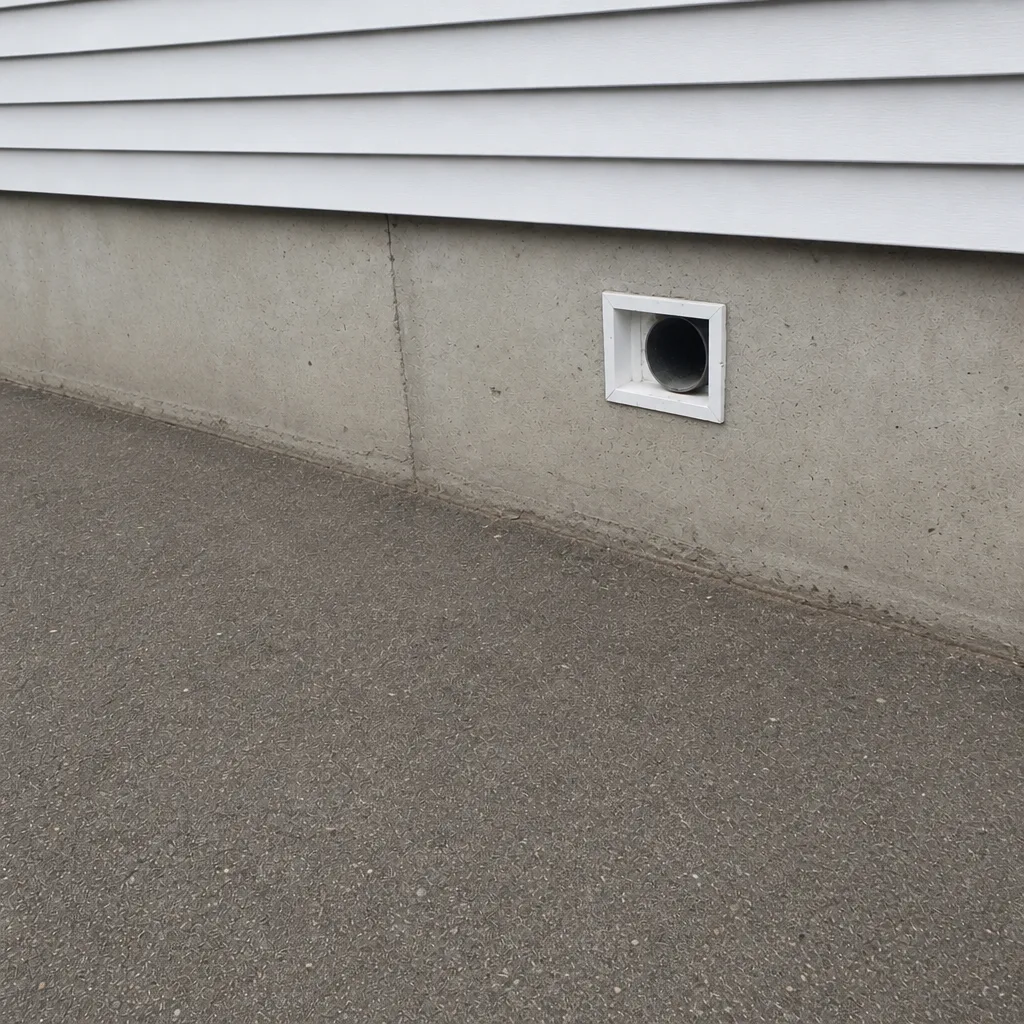 After
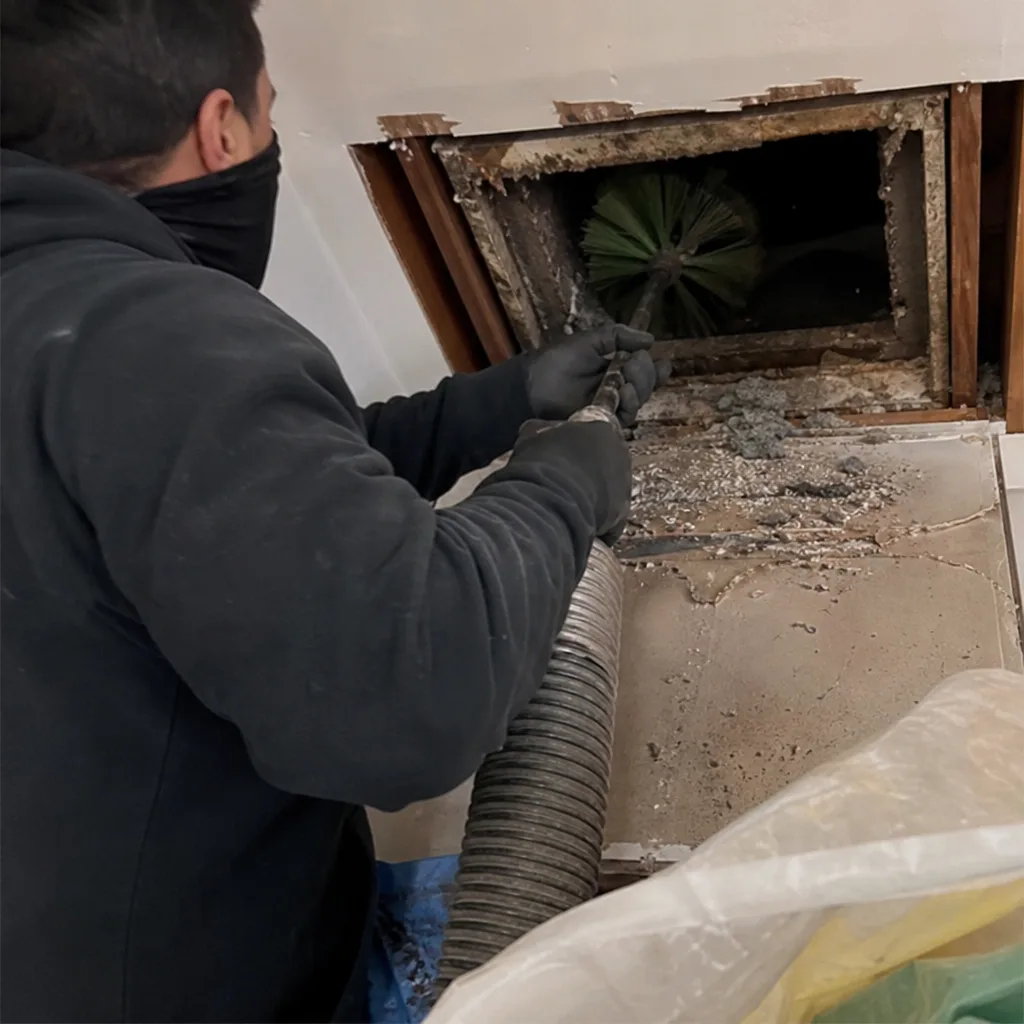 Before
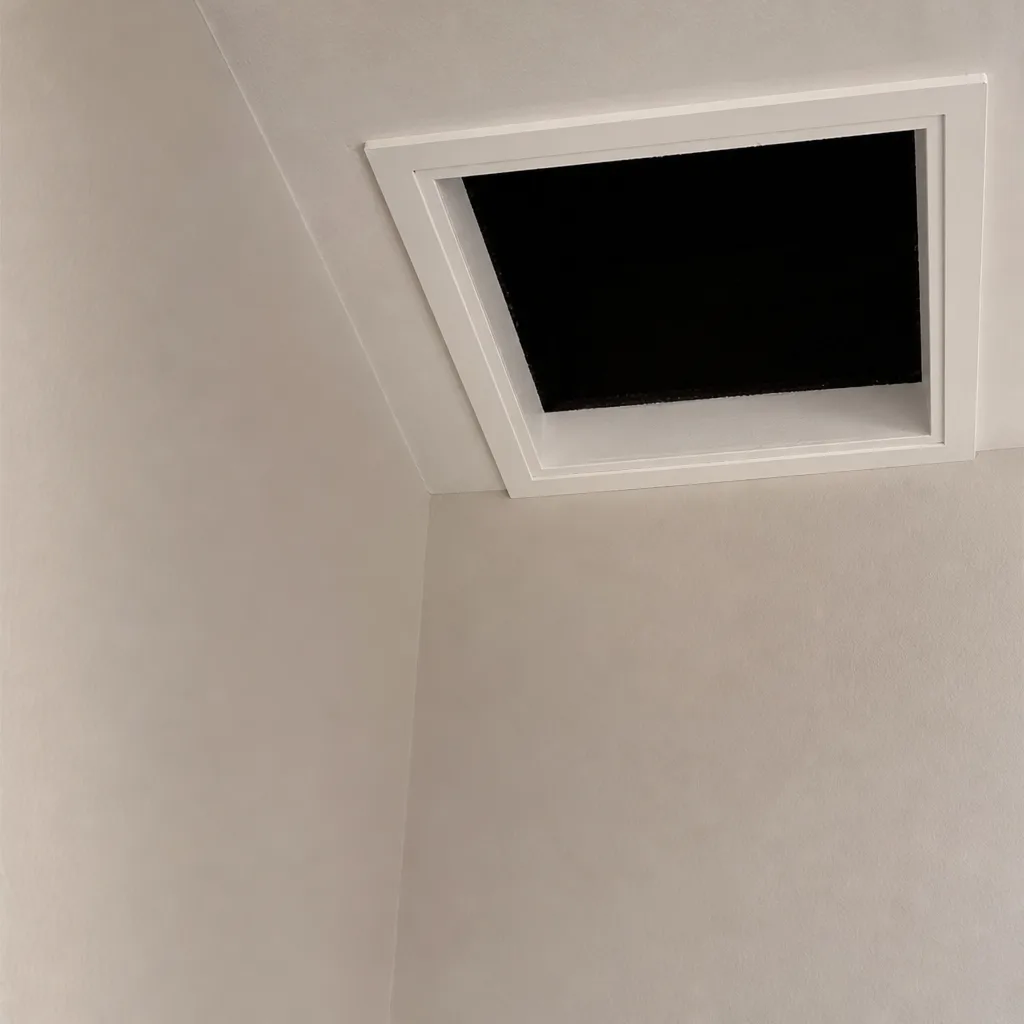 After
When to Call a Professional
Call a licensed contractor when the work on your list goes beyond cleaning: replacing duct sections, installing new returns, hardwiring a UV system or electronic air cleaner, or resealing an entire system. Those jobs need a permit in most cases, and they belong to someone with the NYC HIC license to handle them. Call a duct cleaning professional when the system itself is intact but the air quality is not: musty odors, visible dust at the registers, uneven heating and cooling that points to debris buildup, or a home on a flood-damaged block where the inside of the ducts hasn’t been checked since the rebuild. A professional cleaning also tells you whether the system’s connectors and seals are intact, and that’s information worth having before you make any decision about alteration work. Air Duct Cleaning Great Kills offers free estimates in Great Kills – call (844) 625-7163.
Frequently Asked Questions
No. Cleaning the inside of your existing duct system is treated as maintenance under the New York City Building Code and doesn’t require a permit through the NYC Department of Buildings. The moment the work becomes a replacement, a new return, or hardwired electrical equipment at the air handler, the answer can flip to yes. Call (844) 625-7163 for an exact quote and we’ll tell you where your specific job falls – estimates are free.
There’s no single license for duct cleaning specifically. Duct cleaning companies are generally covered by the NYC Home Improvement Contractor (HIC) license if they perform home improvement work, and many also hold NADCA membership as a signal of industry standards. For system alteration work, ask for the HIC license and confirm the contractor will pull permits. For refrigerant work, ask separately for EPA Section 608 certification.
It depends on how the unit is installed. A plug-in, externally mounted Aprilaire or Honeywell unit is usually treated as an appliance addition. A hardwired system or an in-duct cleaner requiring a dedicated circuit involves electrical alteration and typically needs a licensed electrician, and sometimes a permit. Ask the installer how the unit will be wired before work begins.
Pull the property’s permit record from the NYC Department of Buildings and check for any HVAC alterations filed after 2012. If the current duct layout differs from the home’s original drawings or the system differs from what’s on file, unpermitted work is a real possibility. A licensed HVAC contractor can inspect the system and tell you what’s in place.
Maintenance keeps the system functioning as designed. Alteration changes it: replacing a duct run, cutting a new return, resizing a trunk line, or adding powered equipment that changes how the system operates. Cleaning and incidental resealing are maintenance. Structural changes and new electrical equipment are usually alteration, and that’s where permits and licensed contractors come in.
It can. Home inspectors in Great Kills flag unpermitted ductwork, particularly on properties rebuilt after Sandy, and buyers’ agents often request records or repair credits when there’s a gap. Pulling permits and keeping cleaning documentation on file prevents the issue from becoming a negotiating point. If you’re unsure what’s on record, contact the NYC DOB before listing.
The Bottom Line
Cleaning your ducts is maintenance and doesn’t require a permit. Duct replacement, new returns, and hardwired air quality equipment can cross into alteration work under the New York City Building Code, and those jobs need permits through the NYC DOB and a contractor with the right license. In Great Kills, where post-Sandy rebuilds left some duct work unpermitted, checking the record before a sale is worth the effort. Keep your cleaning documentation, ask the contractor which category your job falls into, and don’t assume the smallest line of scope hides the biggest permit question.
If you’re ready to bring in a crew that uses professional-grade Rotobrush and Nikro systems, treats duct cleaning as a controlled process with Abatement Technologies negative-air containment, and documents the work with before-and-after photos of your own system, we’d like to help. Air Duct Cleaning Great Kills covers cleaning, sanitizing, duct repair and sealing, dryer vent cleaning, and HVAC cleaning across Great Kills and the surrounding area. Call (844) 625-7163 for a free estimate. We answer 24/7. Fast dispatch from 7am to 7pm, Sunday through Friday.
Written by the team at Air Duct Cleaning Great Kills.