
Last updated November 25, 2026
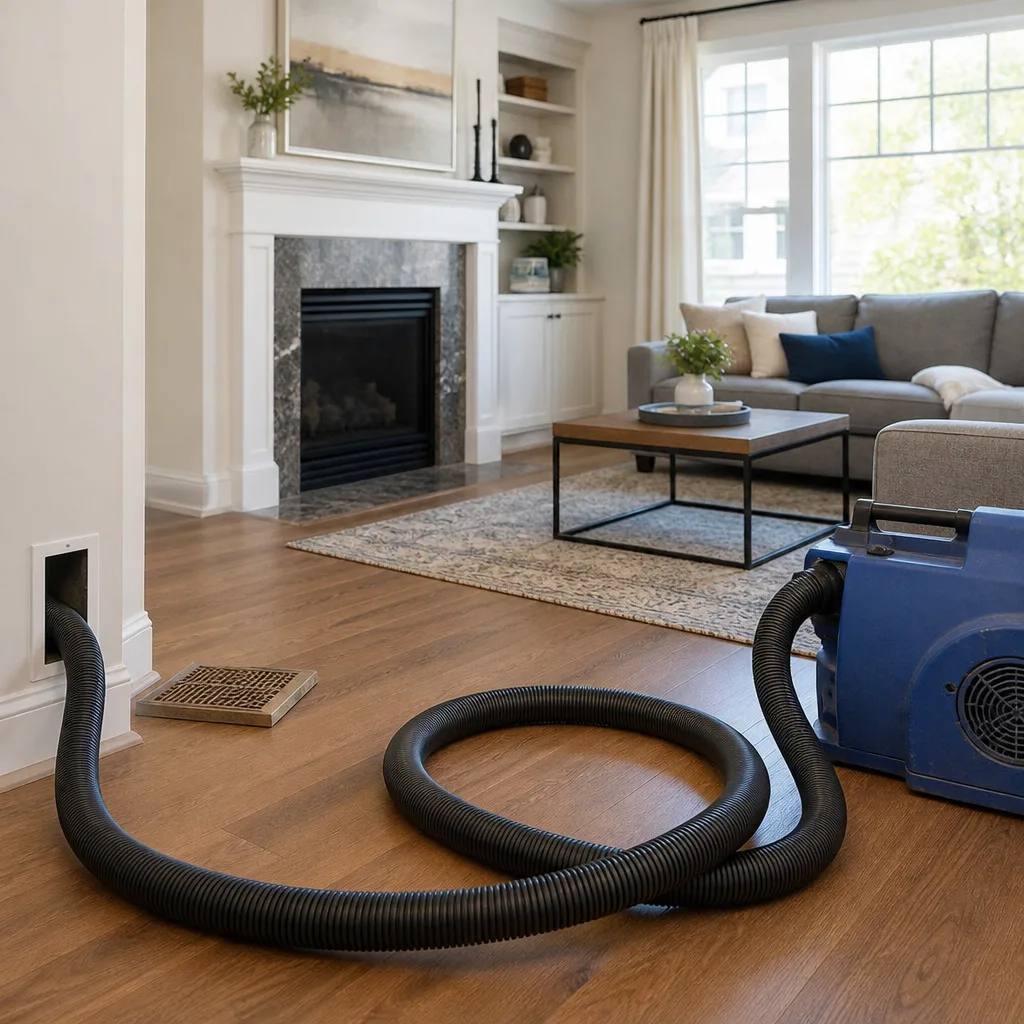 Whole-home duct cleaning
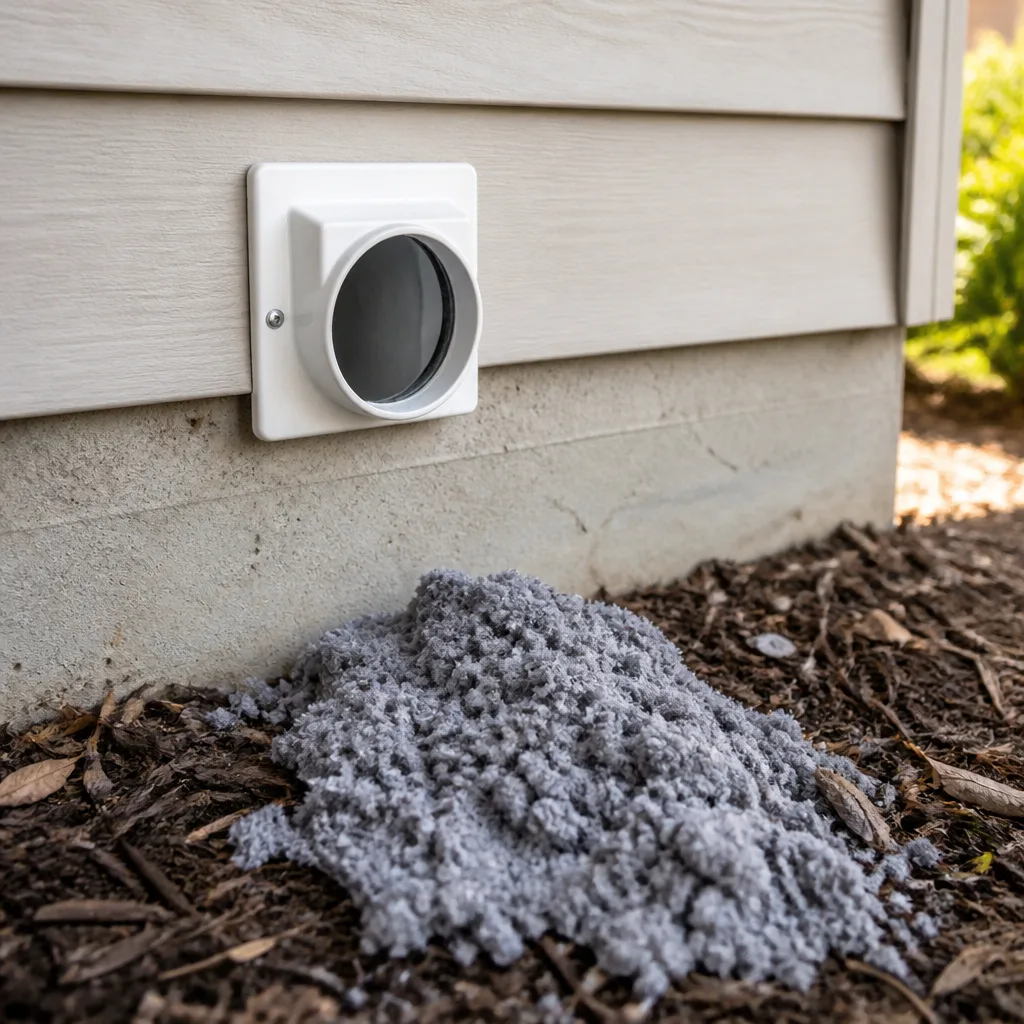 Dryer vent cleaning
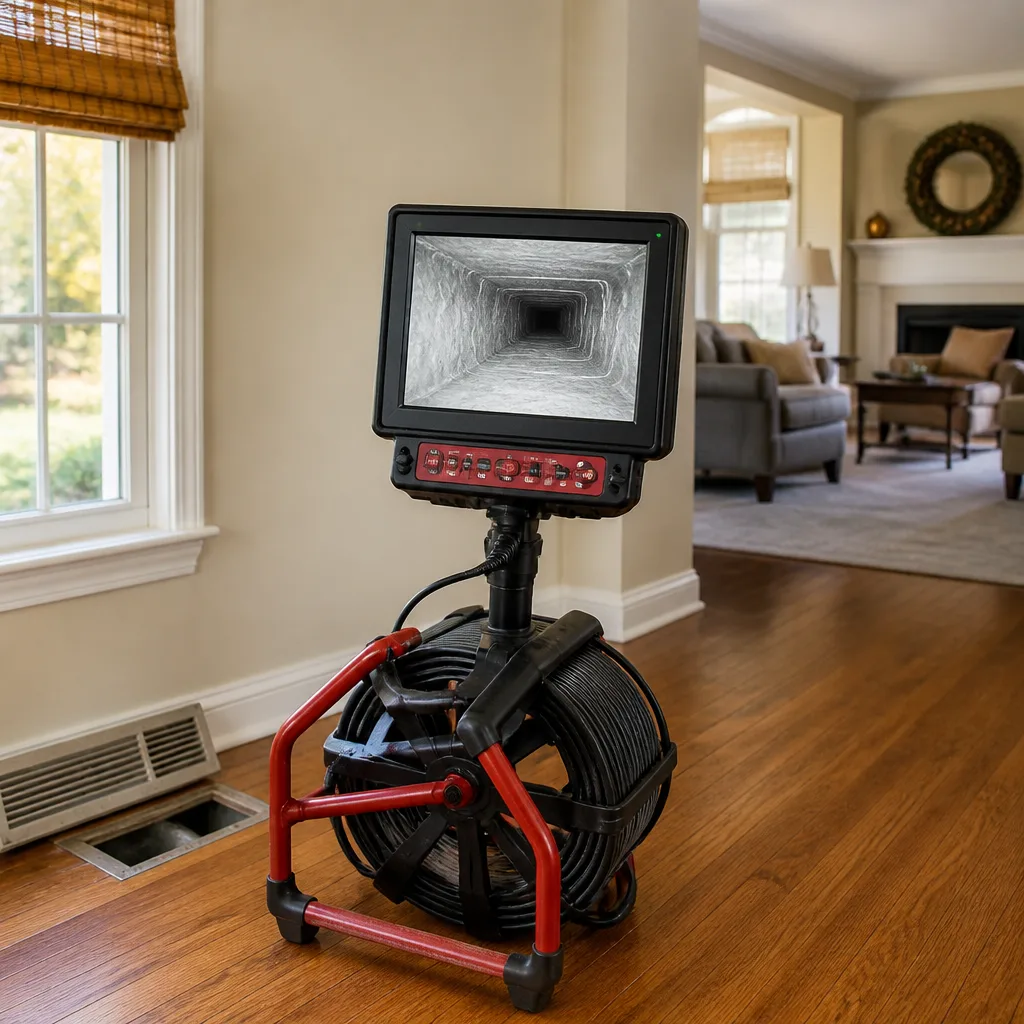 Camera inspection
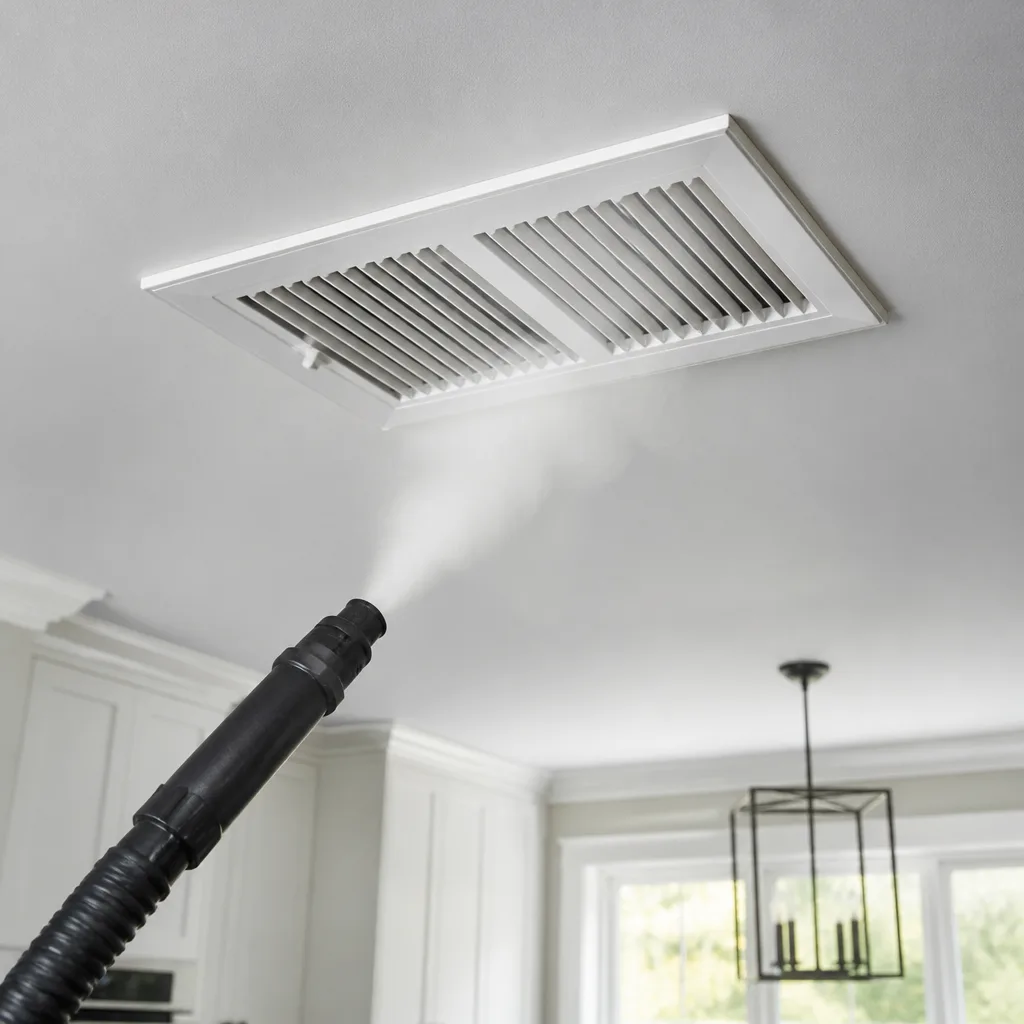 Sanitizing & deodorizing
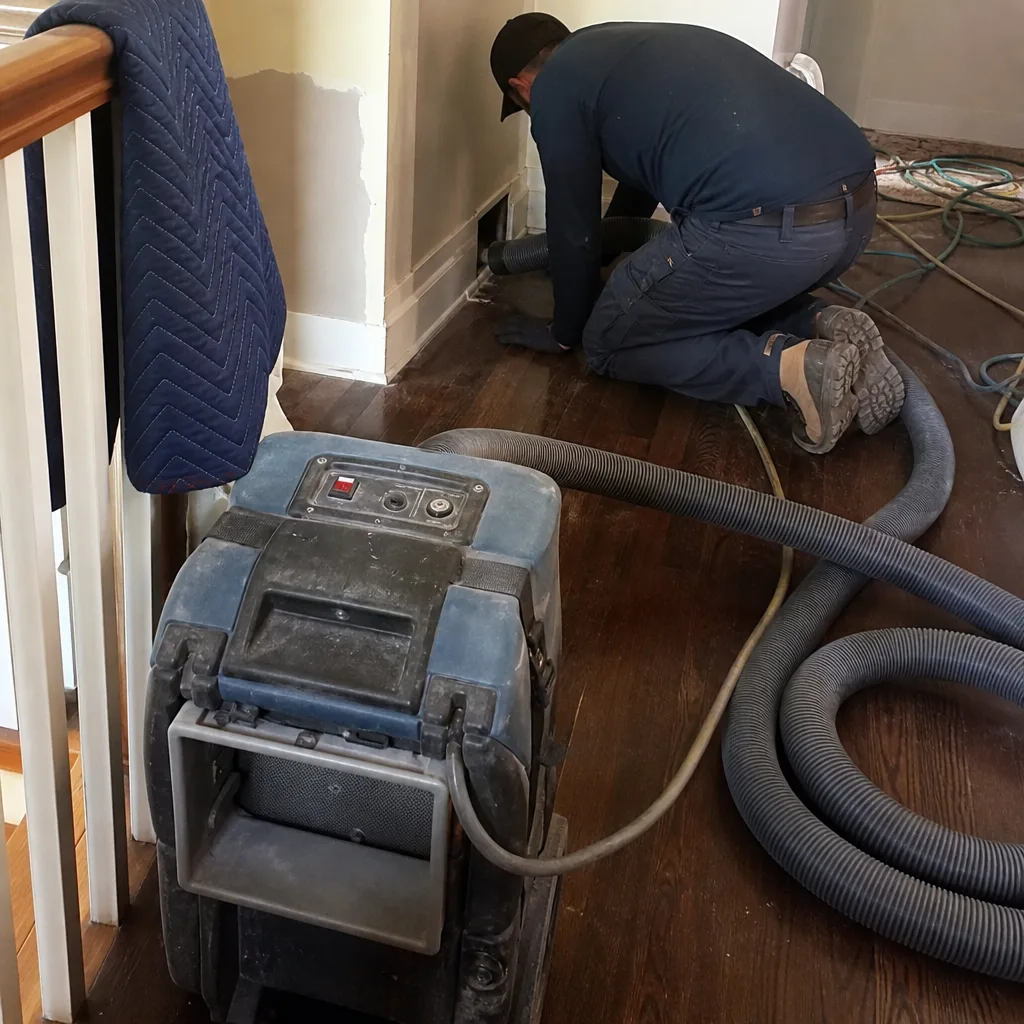
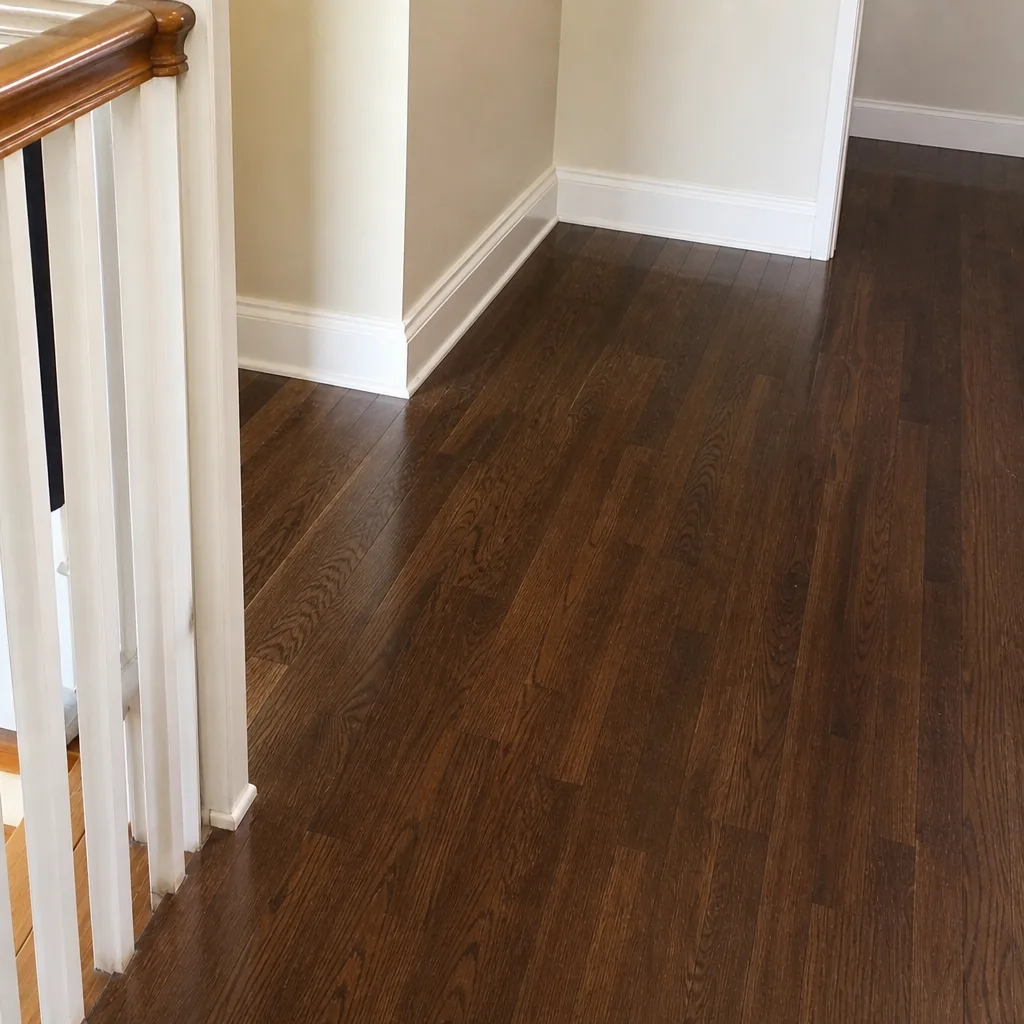
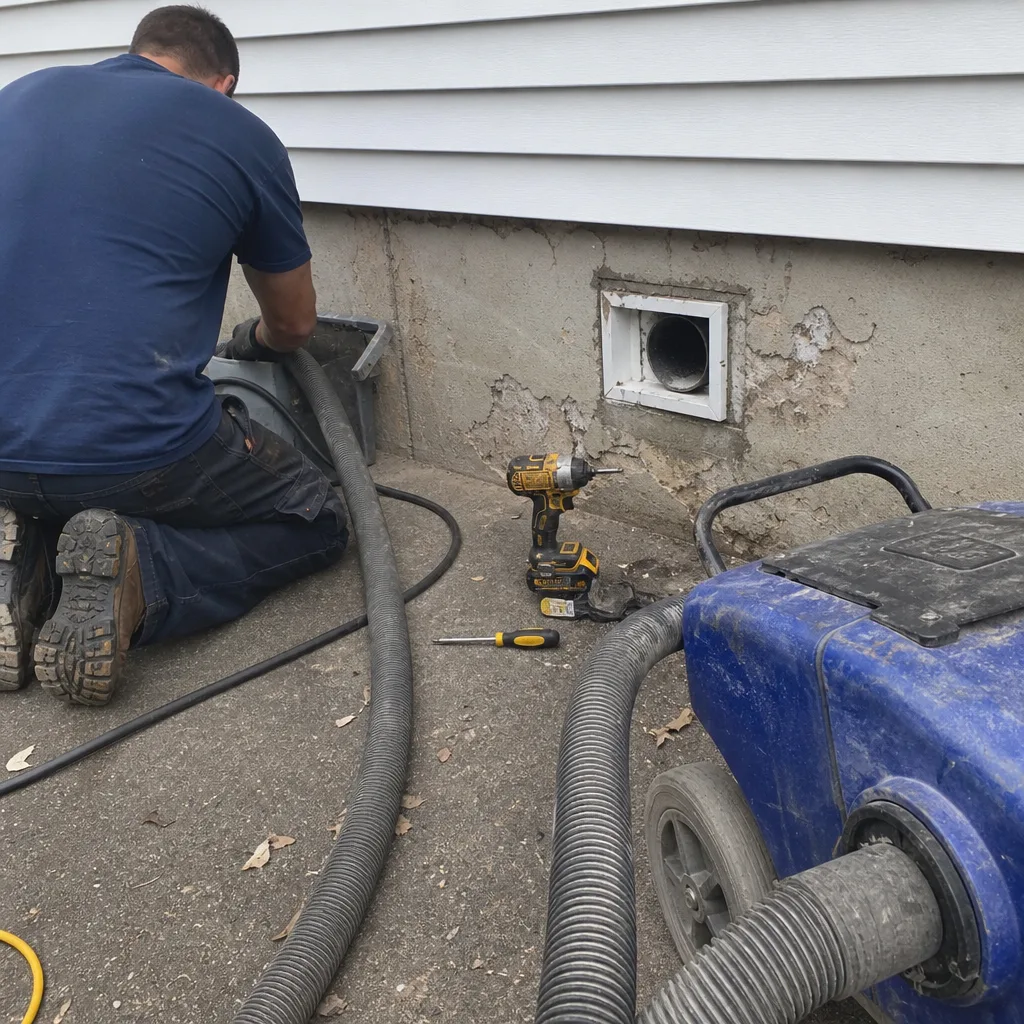
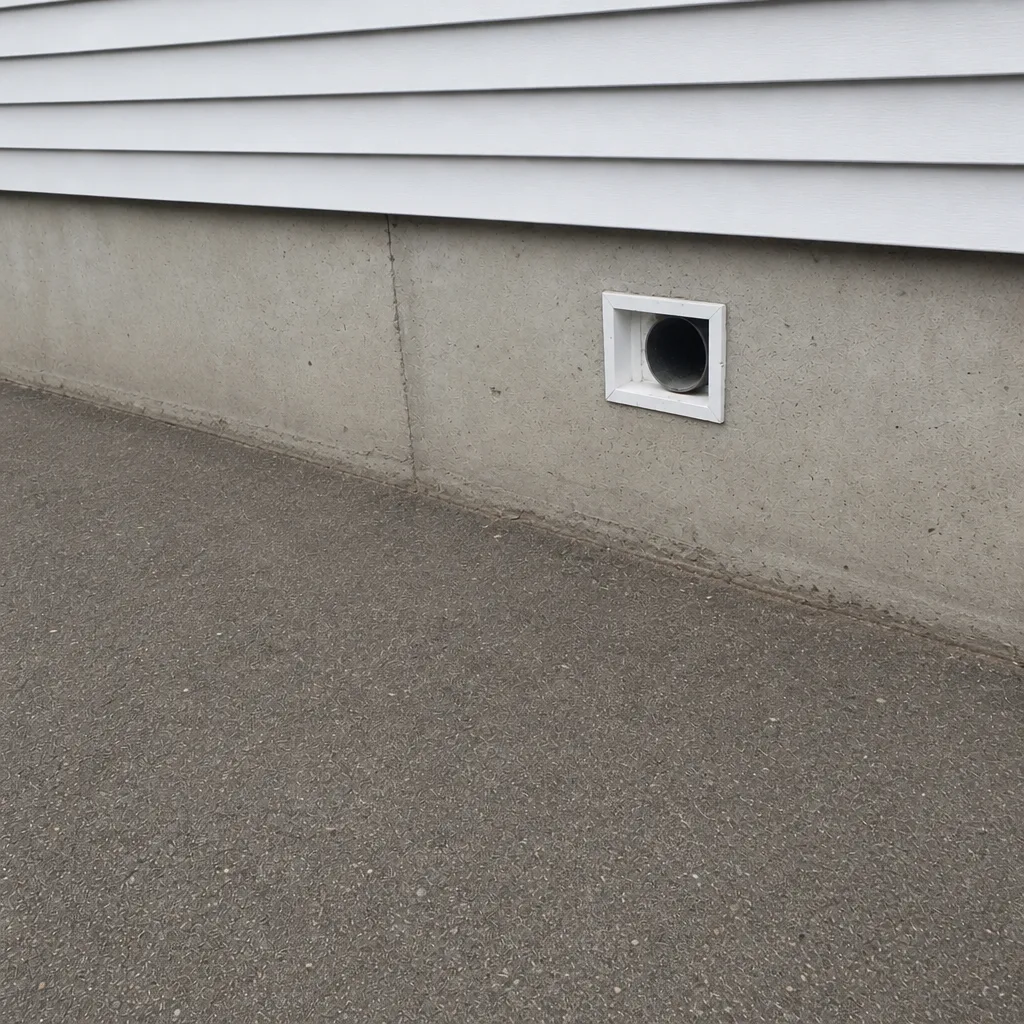
Whole-system duct and dryer vent check with before-and-after photos - you see exactly what came out of your vents
That "$99 whole-house special" is a bait ad - the real number appears once they are in your hallway, or the "clean" is a shop-vac at the register. We photograph the inside of your ducts before and after instead.
The Complete Guide to Air Duct Cleaning in Great Kills
Most air duct cleaning guides are written for a generic American suburb. They talk about dust, pet hair and the occasional dust mite, then move on. Great Kills isn’t that suburb. The neighborhood sits close enough to Raritan Bay that relative humidity climbs past 70% for weeks at a stretch in summer, and that changes what grows inside ductwork, what the debris actually is, and what a legitimate cleaning job has to accomplish. A blow-and-go vacuum that works fine in a dry inland town leaves the problem half-solved here. This guide walks through the full mechanical process, how it maps to Great Kills housing stock, what equipment a real job uses, and how to read the documentation you should be handed when the work is done. By the end you’ll know exactly what a proper job looks like before anyone knocks on your door.
Quick Answer
Air duct cleaning in Great Kills is a controlled, source-removal process: negative-air containment plus mechanical agitation of every duct run, followed by sanitizing, sealing and a documented inspection. It is not a vacuum pass over the registers. Because of Great Kills’ humid summers and its mix of older Capes, postwar ranches and lined flex duct, the job has to account for moisture-driven microbial growth and fragile duct interiors, not just visible dust.
Styles & brands we work with
- Whole-home duct cleaning
- Dryer vent cleaning
- Camera inspection
- Sanitizing & deodorizing
Table of Contents
- Why Great Kills Ductwork Is Different
- How Coastal Humidity Changes What’s Inside Your Ducts
- Source Removal vs. Blow-and-Go: What a Real Job Looks Like
- Reading Your Great Kills Home: Capes, Ranches and Lined Ducts
- Beyond Vacuuming: Sanitizing, Sealing and Air Quality Upgrades
- How to Read a Post-Cleaning Inspection Report
- What Air Duct Cleaning Costs in Great Kills
- Common Mistakes to Avoid
- When to Call a Professional
- Frequently Asked Questions
Why Great Kills Ductwork Is Different
Air duct cleaning in Great Kills starts with accepting that this neighborhood is not a landlocked suburb with dry air and sealed modern ductwork. The housing stock is older. The summers are humid. The duct systems were often installed decades ago and have been patched, extended and re-taped since. That combination means the debris inside a Great Kills duct run is not simply dust and lint; it’s a mix of settled particulates, moisture-softened fiberglass, and in some systems a biofilm layer that forms where condensation collects.
Three local realities shape every job here:
- Humidity load. Great Kills sits near Raritan Bay, and summer relative humidity regularly runs above 70% for extended periods. That’s the threshold where moisture lingers inside unlined flex duct and microbial growth accelerates.
- Older duct configurations. Cape Cods and postwar ranches dominate the residential blocks, and many still have original or partially replaced duct systems with fiberglass interior lining that needs gentler handling than rigid metal.
- Mixed HVAC layouts. Additions, converted attics and finished basements mean many homes have duct runs that were never part of the original design, creating dead legs and pressure imbalances that trap debris.
Those three factors determine brush speed, agitation method and inspection protocol. A crew that treats a Great Kills ranch the same way it treats a new-construction colonial in a dry inland town is guessing. If you’re comparing services, that distinction is the first thing to check. Our full air duct cleaning process is built around it.
How Coastal Humidity Changes What’s Inside Your Ducts
In dry climates, duct debris is mostly dry: dust, skin cells, pet dander, insulation fibers. It settles, it accumulates, it’s unpleasant but chemically stable. In Great Kills, the humidity changes the chemistry. Moisture that enters the duct system through gaps, unsealed boots or condensation on cold supply runs creates a microenvironment where biological growth can take hold. That growth binds to dust and forms a layer that resists ordinary vacuuming.
The practical consequences are:
- Musty odors. A damp, biologically active duct layer smells like a basement, not like dust. That smell circulates every time the fan runs.
- Sticky debris. Moisture-bound debris clings to duct walls and doesn’t release under light suction. It needs mechanical agitation, not just airflow.
- Return-side growth. Return ducts pull warm, humid household air across cool surfaces, which is where condensation and growth tend to start first.
- Allergy symptoms that don’t resolve. If a household member reacts indoors but not outdoors, and the reaction eases in dry weather, the duct system is a reasonable suspect.
This is why sanitizing after cleaning matters more in Great Kills than in a dry market. Guardsman-grade sanitizing treatments applied after the mechanical cleaning address the microbial layer the agitation has already broken up. Cleaning alone removes the debris; sanitizing treats what the moisture left behind. Skip it here and the layer tends to return with the next humid stretch.
Source Removal vs. Blow-and-Go: What a Real Job Looks Like
Source removal means physically dislodging and capturing the debris where it lives, under controlled conditions, then removing it from the building. Blow-and-go means running a shop vacuum over the registers or blasting compressed air through the system while a weak vacuum struggles to keep up, which pushes dust into the room. The difference shows up in your air quality, not just the invoice.
A legitimate source-removal job in Great Kills follows a sequence like this:
- Inspection first. A camera inspection of representative duct runs identifies lining condition, moisture, dead legs and prior damage before any tooling is selected.
- Containment. Negative-air containment using Abatement Technologies equipment seals the work area and keeps the interior under negative pressure so loosened debris moves toward the collection unit, not into your living room.
- Mechanical agitation. Rotobrush and Nikro cleaning systems drive rotary brushes and air whips through the duct runs from the inside, scrubbing the walls at controlled speed and pressure.
- Extraction. A high-capacity HEPA vacuum pulls the loosened material into containment and out of the system.
- Component cleaning. The air handler, evaporator coil, blower and plenum are cleaned as part of the system, because debris in those components redistributes through every supply run.
- Sanitizing. A Guardsman-grade treatment is applied post-cleaning to the cleaned surfaces.
- Sealing and verification. Gaps, unsealed boots and disconnected joints are sealed, then a final inspection and photo documentation close the job.
Notice what’s missing from that list: no coupons, no shortcuts, no “quick” language. The Rotobrush-and-Nikro process takes real time because it works on the inside of every run, not just the visible openings. If you want to compare the equipment and scope of a proper job, our HVAC cleaning page covers how the air handler fits into the same process.
Reading Your Great Kills Home: Capes, Ranches and Lined Ducts
The building itself tells you what kind of care the ductwork needs. Great Kills has a recognizable mix of homes, and each type carries its own duct risks.
- Postwar ranches. Often single-story with ductwork in the crawlspace or attic. Runs are frequently original, sometimes partially replaced, and tend to have poorly sealed boots at the registers where humidity enters.
- Cape Cods. The upstairs rooms are often served by duct runs added after the house was built, with longer runs, tighter clearances and lower static pressure. That makes them debris traps.
- Homes with fiberglass-lined ductwork. Interior lining is common in older systems. It’s a legitimate part of the duct’s function, but it is gentle: aggressive brushing tears it, and once the lining is compromised the duct begins shedding fibers into the supply air. Technicians adjust brush speed and use inspection cameras to confirm lining condition before and after.
- Finished basements and additions. These often include duct runs that were never part of the original design, with dead legs or oversized trunks that collect debris and disturb pressure balance.
The rule of thumb: any Great Kills home built before roughly the 1970s deserves an inspection before a cleaning quote, not after. If a company wants to sell you a cleaning without looking at the duct interior first, that’s a red flag. Lined ductwork is also where our Air Duct Cleaning Great Kills team tends to spend the most inspection time, because damage here is expensive to fix later.
Beyond Vacuuming: Sanitizing, Sealing and Air Quality Upgrades
Clean ducts are only the beginning. The point of the whole exercise is the air you breathe and how efficiently the system moves it. Once the mechanical cleaning is done, several upgrades close the loop.
Sanitizing
After the debris is removed and the surfaces are dry, a Guardsman-grade sanitizing treatment coats the cleaned interior. In a humid Great Kills summer, this step addresses microbial growth the cleaning has already loosened. It’s the difference between a clean duct that stays clean and one that returns to its previous state within a season.
Duct Repair and Sealing
We seal what we clean. Every unsealed joint, disconnected boot or gap in a run is an efficiency leak, and in a humid climate it’s also a moisture entry point. Sealing restores system pressure and keeps treated air where it belongs. It’s not a cosmetic add-on: it’s the step that keeps the work you paid for from degrading.
Filtration and Air Quality
The filtration and air quality hardware in the system should match the cleaning work. Familiarity with Aprilaire and Honeywell air quality products lets a technician recommend filtration or humidity control that fits the existing system rather than guessing. In Great Kills, humidity control is often the lever with the most impact, because getting moisture out of the system is what prevents the biological layer from coming back.
Dryer Vent Cleaning
Separate from the HVAC duct system but part of the same indoor safety picture: dryer vents accumulate lint, and a clogged dryer vent is a fire-risk and efficiency problem that most duct cleaners never mention. In a Great Kills home where the dryer sits in a basement or interior closet, the vent run can be long and hard to inspect. Our dryer vent cleaning service handles it in the same visit when scheduled together.
How to Read a Post-Cleaning Inspection Report
Documentation is where a serious contractor separates from a coupon crew. If a company leaves no paper trail, you have no way to verify the work. Here’s what a reputable post-cleaning report should contain, and how to read it:
- Before-and-after photos of your own ducts. Not stock photos, not photos of another job. Close-up shots of representative runs, the air handler, and the supply boots. If the photos could have come from any house, they tell you nothing.
- Camera inspection record. For lined ductwork, an interior camera image confirms the lining survived the cleaning. That’s your proof of careful work.
- Component checklist. The report should name every component cleaned: supply and return runs, plenum, evaporator coil, blower, and any duct repairs or sealing performed.
- Sanitizing record. The product category and the surfaces treated. If sanitizing was part of the job, the report should say so.
- Condition notes. Any damage, dead legs, moisture findings or recommendations the technician noted, including anything that needs follow-up.
- Filter and air quality recommendations. Specific to your system, not a generic upsell sheet.
Ask for the report before the job, not after. A company that documents its work openly will happily show you an example. One flat price per system, agreed in writing before work starts, plus before-and-after photos as standard, is the combination that answers the industry’s bait-and-switch reputation. The written estimate is what sets the final price; nothing gets added for work that wasn’t agreed.
What Air Duct Cleaning Costs in Great Kills
Air duct cleaning in Great Kills is priced per system, not per vent. Per-vent pricing is where the bait-and-switch lives: a low headline number that grows with every “additional vent” a technician “discovers” on site. A whole-system estimate covers the full duct run count in your home, the air handler, and the standard cleaning and sanitizing steps. Because the scope varies with home size and duct configuration, the right way to price the job is a written estimate after inspection. Call (844) 625-7163 for a free estimate; the price is set per job by that written estimate.
- Standard residential system cleaning and sanitizing: quoted per system after inspection, not per vent.
- Air handler and coil cleaning: included in a full-system quote, sometimes scoped separately if the air handler is heavily fouled.
- Duct repair and sealing: priced by the number and complexity of the leaks found.
- Sanitizing: included as a standard post-cleaning treatment; ask that it be written into the estimate.
- Dryer vent cleaning: a separate service, often scheduled together to save a second visit.
If a quote arrives as a single “special” number that doesn’t name what’s included, treat it as a starting point for a conversation, not a price. The fair way to compare two Great Kills quotes is scope-to-scope: which components, how many runs, sanitizing included or not, and documentation provided.
Common Mistakes to Avoid
- Buying on the coupon price. The cheapest quote rarely describes the actual scope, and it’s the quote most likely to grow once the crew is on site. Compare scope, not sticker price.
- Accepting a job without an inspection. A company that quotes a Great Kills home without looking at the duct interior can’t tell lined from unlined ductwork, and that difference changes the whole job.
- Skipping sanitizing in a humid climate. After a Great Kills summer, cleaning without sanitizing leaves the microbial layer to return with the next humid stretch.
- Cleaning the ducts but not the air handler. A dirty coil and blower redistribute debris through every supply run you just cleaned. Component cleaning is part of the job.
- Ignoring the dryer vent. It’s a separate system with its own fire-risk and efficiency cost, and many homeowners only think about it after a near-miss.
- Not asking for before-and-after photos. If you can’t see the work, ask whether the photos are from your home or from stock. Documentation is the proof.
- Treating the job as a one-time reset. Ductwork in a humid neighborhood needs periodic attention, not a decade of silence. The right interval depends on the home, the filter routine and how the system performs.
When to Call a Professional
You don’t need duct cleaning every year, but a few signs mean it’s time. Persistent musty odors when the fan runs, allergy symptoms that ease outdoors and return indoors, visible dust streaking at the registers, uneven heating and cooling between rooms, or a system that has never been cleaned in a home you just bought. Any of those is a reasonable trigger for an inspection. Lined ductwork that has never been inspected, or a dryer vent that runs long and hard to reach, are reasons on their own. Air Duct Cleaning Great Kills offers free estimates in Great Kills – call (844) 625-7163. The written estimate sets the final price and nothing is added afterward.
Frequently Asked Questions
It’s priced per system after inspection, not per vent, and the written estimate sets the final price. The reason it can’t be a flat national number is that Great Kills homes vary widely in duct configuration, from original postwar ranches to extended Capes with added runs. Call (844) 625-7163 for a free estimate.
Cheap quotes usually exclude something: sanitizing, air handler cleaning, duct repair and sealing, or documentation. Some are priced per vent and grow once the crew is on site. A fair comparison matches scope-to-scope, and the written estimate is what locks the price.
It depends on the home, the filter routine and how the system performs, but humid Great Kills summers push the interval shorter than in a dry climate. Most homes get a useful reset on a multi-year cycle rather than annually. An inspection tells you where you actually stand.
Ask for before-and-after photos of your own ducts, plus a written record of every component cleaned and sanitized. A company that documents openly will show you an example before the job. If the photos could have come from any house, they don’t count.
Yes. When relative humidity runs above 70% for weeks, moisture that enters the duct system can support microbial growth that binds to dust and resists ordinary vacuuming. That’s why sanitizing matters more here than in a dry inland town.
Yes, when scheduled together. Dryer vent cleaning is a separate service from HVAC duct cleaning, but combining them saves a second visit. Call (844) 625-7163 to set both up.
We answer 24/7. A call outside dispatch hours is booked into the next opening, Sunday through Friday, 7am to 7pm.
The Bottom Line
Great Kills ductwork is not generic. The humidity, the housing stock and the frequent use of lined ductwork mean a legitimate job has to be a controlled, documented, full-spectrum process: negative-air containment, Rotobrush and Nikro mechanical cleaning, air handler and coil work, Guardsman-grade sanitizing, duct repair and sealing, and before-and-after photos of your own ducts. Price is per system, agreed in writing before work starts, not per vent and not from a coupon. If you remember nothing else from this guide, remember that the documentation is the proof, and the scope is what you should be comparing. Call (844) 625-7163 for a free estimate. We answer 24/7. Fast dispatch from 7am to 7pm, Sunday through Friday.
Written by the team at Air Duct Cleaning Great Kills.
See the difference
 Before
 After
 Before
 After
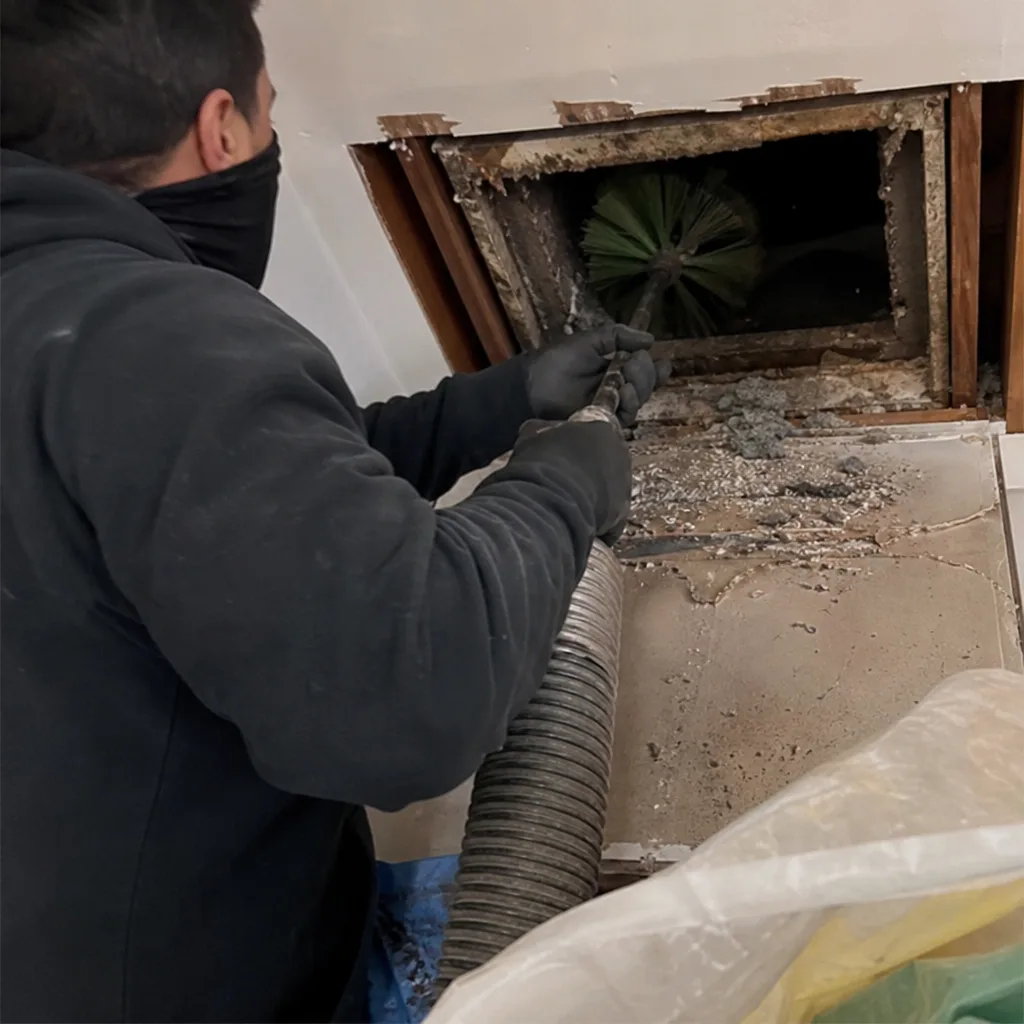 Before
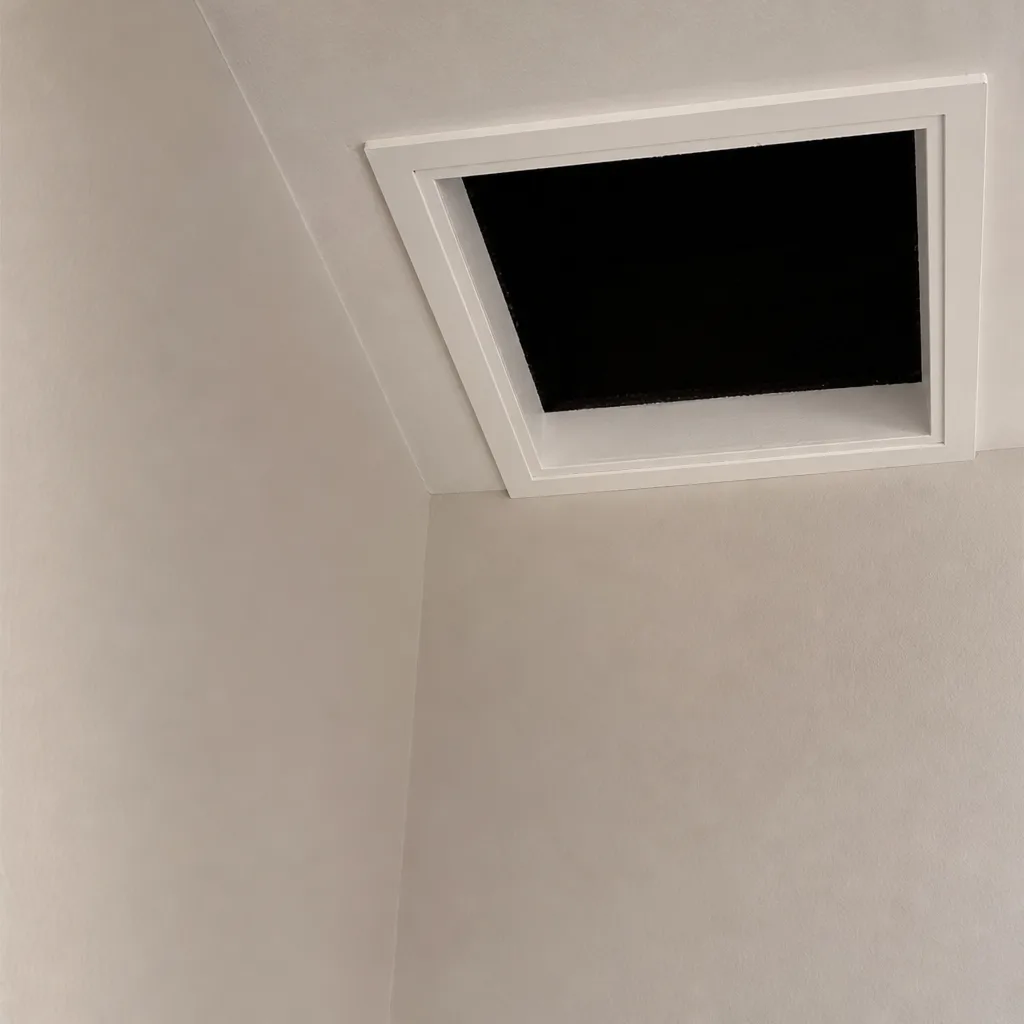 After