
Last updated November 25, 2026
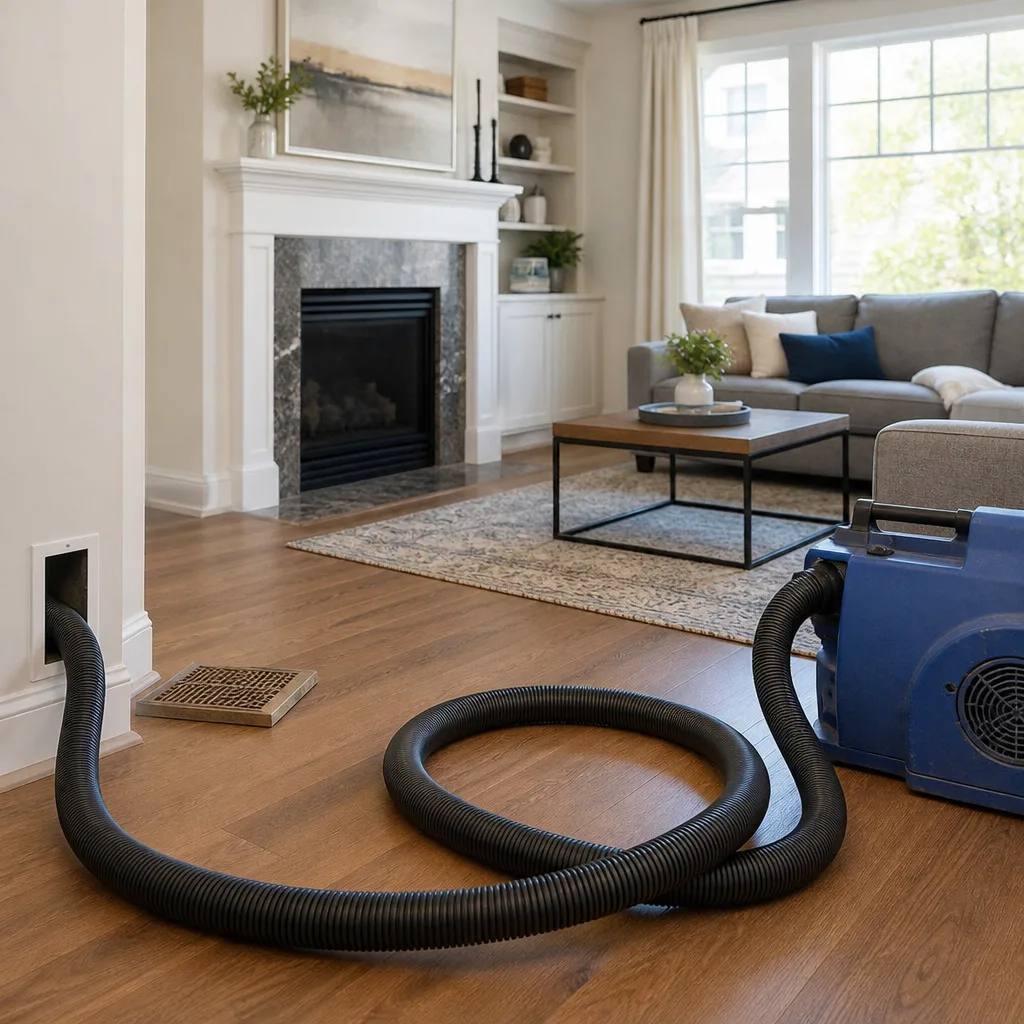 Whole-home duct cleaning
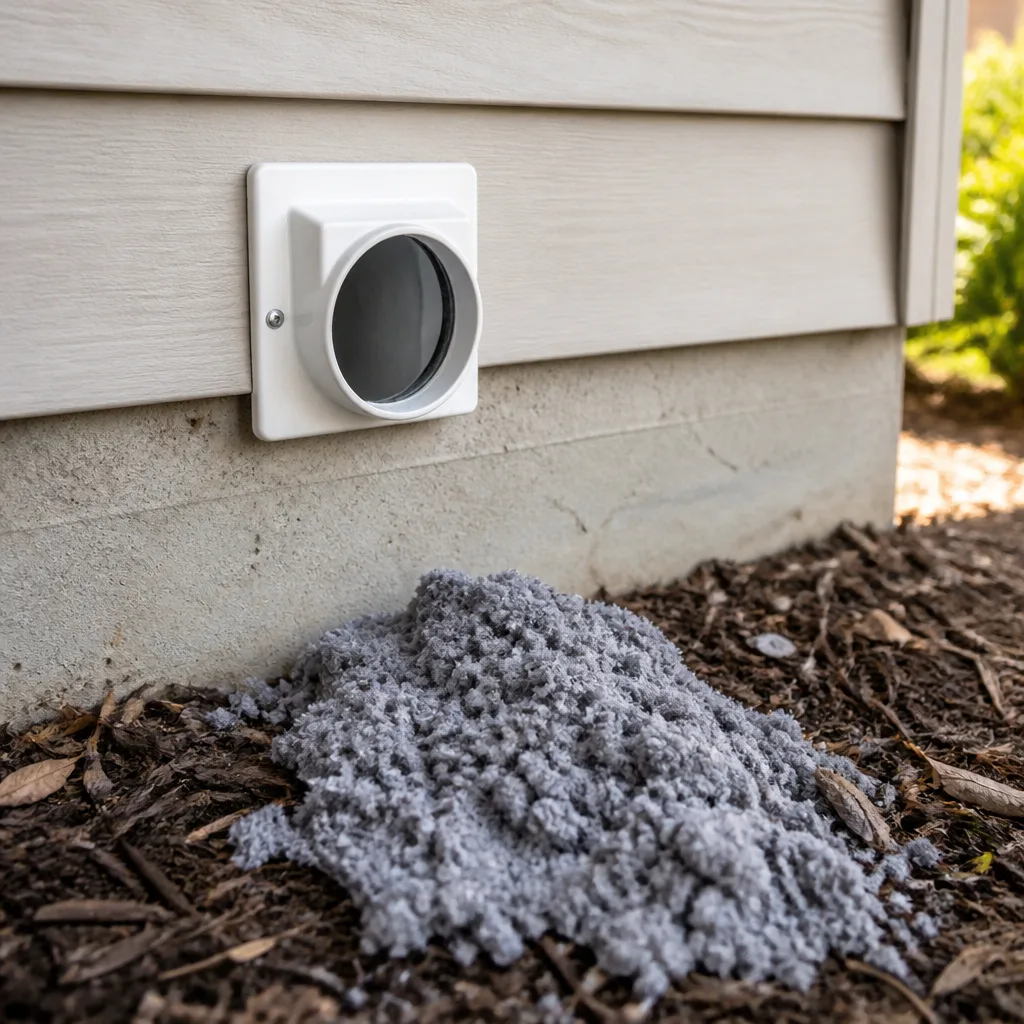 Dryer vent cleaning
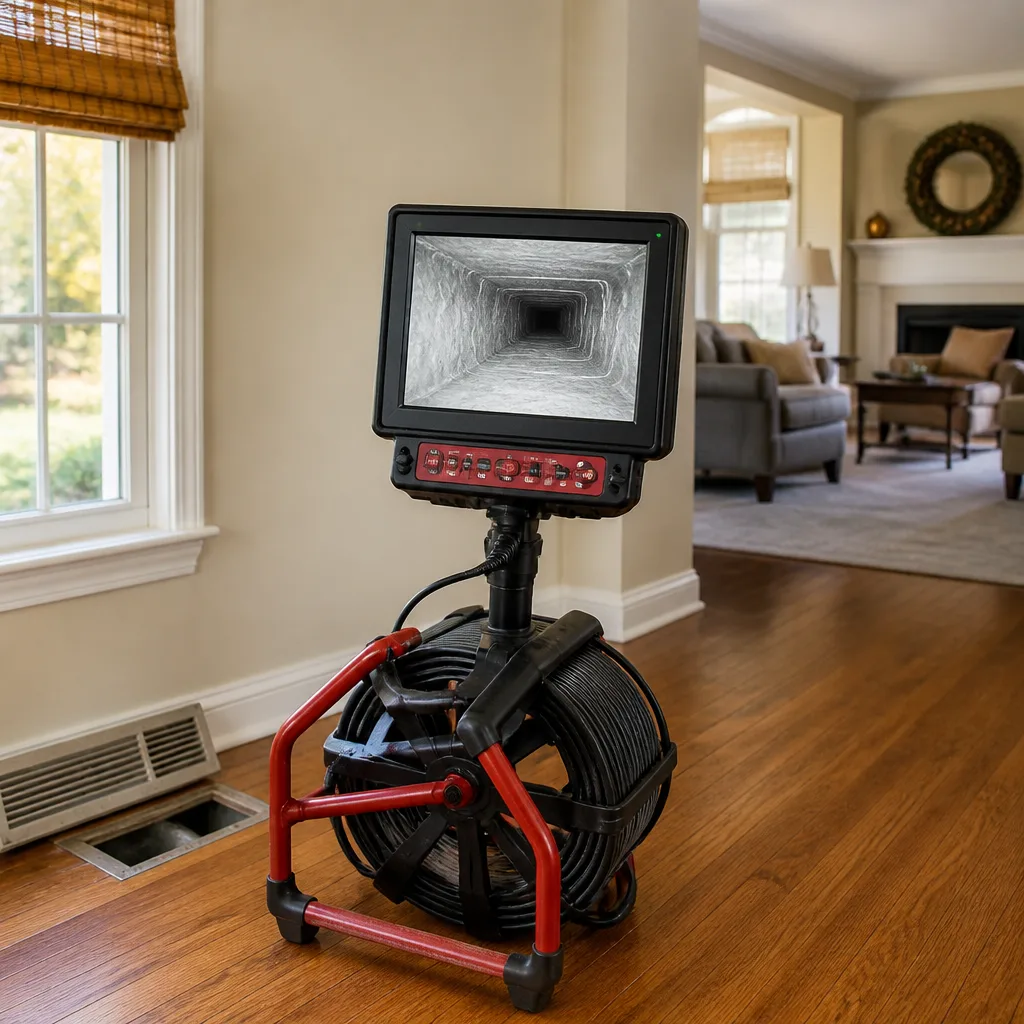 Camera inspection
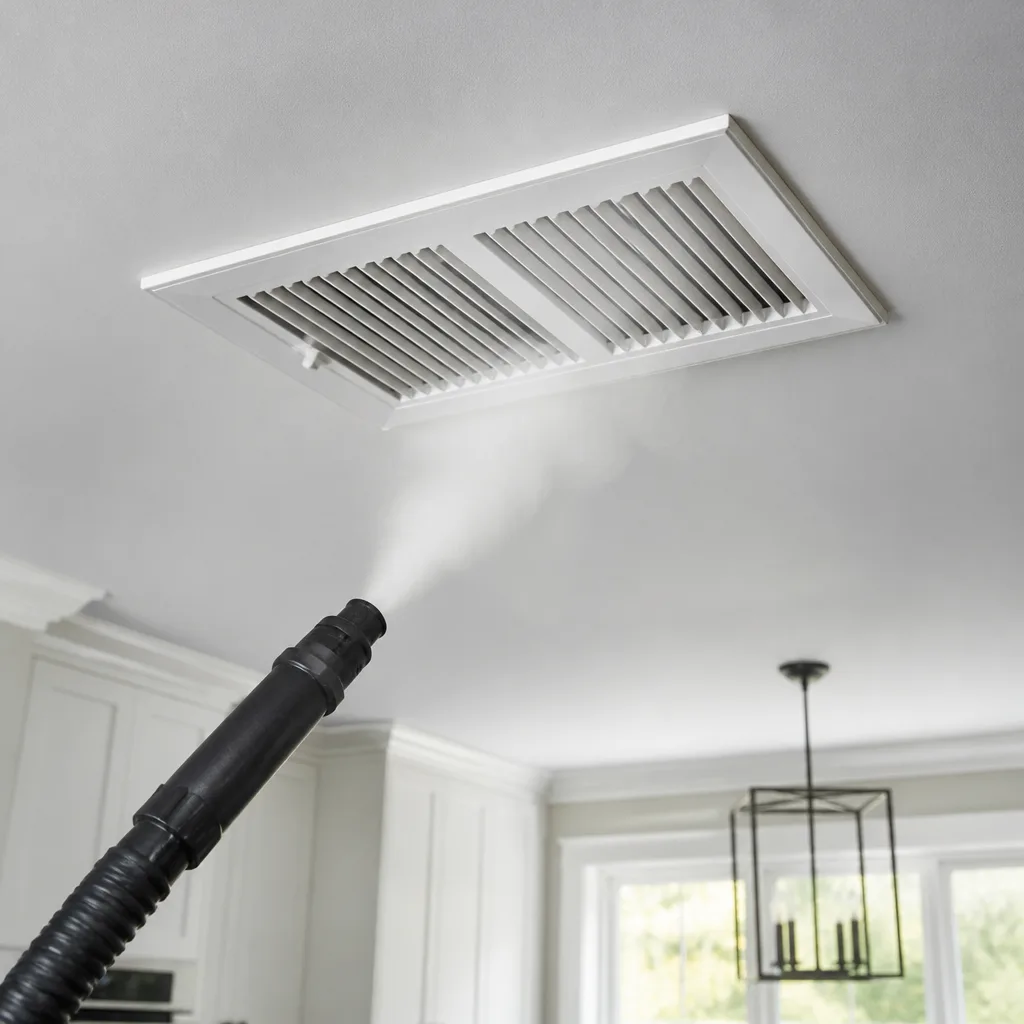 Sanitizing & deodorizing
Whole-system duct and dryer vent check with before-and-after photos - you see exactly what came out of your vents
That "$99 whole-house special" is a bait ad - the real number appears once they are in your hallway, or the "clean" is a shop-vac at the register. We photograph the inside of your ducts before and after instead.
How to Hire an Air Duct Cleaning Contractor in Great Kills: A Step-by-Step Guide
Most homeowners vet a duct cleaning contractor by their star rating and the price on the coupon. That’s backwards. The equipment on the job determines the outcome, and that equipment is almost never visible in a review. A crew running a shop vacuum with no containment can loosen years of debris and redistribute it into the rooms you breathe in, which is worse than leaving it alone. This guide gives you a vetting framework built on process and equipment instead of ratings, so the contractor you hire in Great Kills actually removes what’s in your ducts rather than moving it around.
Quick Answer
Hire an air duct cleaning contractor in Great Kills by asking four questions before you book: what vacuum and containment system they use, how they agitate the dust, what their CFM rating is, and whether the technician holds NADCA certification. Ask for a written scope of work and before-and-after video inspection of your own ducts. A contractor who can answer all four questions clearly, in writing, with proof of insurance, is the one worth hiring. Anything short of that is a gamble on your flexible ductwork and your HVAC warranty.
Styles & brands we work with
- Whole-home duct cleaning
- Dryer vent cleaning
- Camera inspection
- Sanitizing & deodorizing
Table of Contents
- The Four Questions to Ask Before You Book
- Why Equipment Standards Matter More Than Star Ratings
- Red Flags Specific to the Great Kills Market
- How to Evaluate Proof of Insurance for Duct Work
- How to Structure a Written Scope of Work
- Add-On Crews vs. Dedicated Duct Cleaning Systems
- What Before-and-After Video Inspection Should Show
- When to Call a Professional
The Four Questions to Ask Before You Book
If you only take one section of this guide with you, make it this one. A contractor who does legitimate work will welcome these questions, because the answers are part of how they already operate. A contractor who dodges them is telling you something.
- What vacuum system do you use, portable or truck-mounted? Truck-mounted units run high suction through a hose into your system and pull debris straight out of the house. Portable professional units work when a truck can’t park close. Either can work, but the crew should tell you which they’re bringing and why.
- How do you agitate the dust before vacuuming? Loose dust sitting in a duct doesn’t come out with suction alone. Mechanical agitation, usually with a rotary brush or air whip, loosens the caked material so the vacuum can capture it. If the crew can’t describe their agitation method, they don’t have one.
- What CFM rating does your equipment carry? CFM is cubic feet per minute of airflow. It’s the measurable part of suction. NADCA’s standard for source removal calls for enough airflow and vacuum to keep the duct under negative pressure throughout the job. A crew that doesn’t know its CFM is guessing.
- Is the technician NADCA-certified? The National Air Duct Cleaners Association sets the industry standard for source removal and offers individual certification. A certified technician knows the assessment, cleaning, and verification process. That’s a different credential from a company claiming to “follow NADCA standards.”
Write the answers down when you call. If two contractors give vague answers and one gives specifics, the specifics are the signal. Our technicians have up to 13 years of experience with this equipment, and they can walk you through every one of these points on the phone before anyone sets foot in your home. For a fuller picture of what a real cleaning looks like, see our page on air duct cleaning.
Why Equipment Standards Matter More Than Star Ratings
Reviews tell you whether someone showed up on time and was polite. They don’t tell you whether a HEPA-filtered negative-air machine was running in the room, or whether the technician ran a rotary brush through every branch line or just hit the main trunk. The customer giving five stars can’t see inside their own ductwork after the job, so they rate what they can see: the technicians, the price, the cleanup.
The equipment is where the real difference lives. Professional-grade systems like Rotobrush and Nikro are built for continuous commercial duty and are engineered to work as part of a containment setup, not a stand-alone gadget. Consumer vacuums, shop vacuums, and the home-compressor tricks some crews use simply cannot move enough air to pull caked debris off duct walls. They loosen dust and leave it circulating.
Here’s what separates a serious operation from a blow-out:
- Negative-pressure containment. Abatement Technologies containment and negative-air equipment keeps the work zone under pressure so dust travels into the machine instead of into your living room. NADCA’s standard for source removal is built around this idea.
- HEPA filtration. Exhaust air from the vacuum should pass through HEPA-stage filtration before it goes back into your house. Ask.
- Mechanical agitation tools sized to the duct. A rotary brush sized wrong can damage flexible duct liner. A crew that carries the right tools for the job knows this.
- Post-clean verification. A camera run after cleaning confirms the result. No camera, no evidence.
Our own approach uses the Rotobrush-and-Nikro process with Abatement Technologies containment on every job, so air quality is managed from intake to vent. That’s the standard we’d hold any contractor to in Great Kills, whether you hire us or someone else. For comparison, our page on HVAC cleaning shows how the same equipment handles the coil and blower side.
Red Flags Specific to the Great Kills Market
The Great Kills housing stock runs from older single-family homes to postwar splits and small multifamilies, and much of it has ductwork that has seen decades of use and one or more HVAC replacements. That mix draws a particular kind of duct cleaning pitch. Here’s what to watch for locally.
- An unusually low whole-home quote. Quote the whole system, not the number of vents. A figure that covers a house of this size can’t also cover proper equipment, containment, agitation, and a camera check. Something is being left out of the job, almost always the part that matters.
- No before-and-after video inspection. If a contractor doesn’t inspect your ductwork on camera before cleaning and again after, there’s no way to know what was actually removed. This is the single biggest gap between a real cleaning and a pass-through.
- No mention of negative pressure or containment. If the words “negative pressure” and “containment” don’t come up in the conversation, ask directly. The silence is telling.
- Price quoted per vent, with a “special” that changes at the door. Whole-system pricing should be one price agreed before work starts. If the final invoice depends on what the technician finds when they arrive, that conversation needs to happen before any work begins, not after.
- No mention of the dryer vent when the crew offers duct cleaning. In these narrow lots, the dryer vent run is often long and hidden behind the machines. If a crew isn’t offering to inspect it, they’re leaving a known fire risk untouched.
- Sanitizing sold before cleaning. Sanitizing a dirty duct seals the dirt in place. Cleaning comes first, then sanitizing, and any product should be named in the scope.
Great Kills has a real mix of contractors advertising here, so treat any quote that doesn’t come with a written scope and a clear equipment description as incomplete, no matter how good the price looks.
How to Evaluate Proof of Insurance for Duct Work
A certificate of general liability insurance is a starting point, not a finish line. Duct work in a residential setting puts a technician in close proximity to your HVAC system, your ceiling and wall openings, and sometimes your electrical work. What you want to see is coverage that’s actually in force and that realistically covers the kind of damage duct work can cause.
Ask for the following, and ask for them in writing:
- Certificate of general liability insurance. It should name the contractor and the policy period, and the period should be current. A certificate that lapsed last year tells you nothing about today.
- Coverage limits appropriate to residential work. If a crew accidentally damages ductwork, a ceiling, or the HVAC unit during the job, the liability limit needs to be large enough to cover the repair. Ask what the limit is. A contractor should know.
- Workers’ compensation coverage. If a technician is hurt working in your home, workers’ comp protects you from being pulled into the claim. Ask for the certificate.
- Proof of the company’s registration or license as required in New York. Ask the contractor which they hold and for documentation. Requirements can differ by the type of work and the municipality, so the contractor’s own answer to this tells you a lot.
- Verification against the insurer, not just the certificate. A certificate can be edited. Ask for the insurer’s contact information and confirm the policy is active. A legitimate contractor won’t mind.
If you’d rather not run this checklist yourself, you can ask our team for the documentation on the local pro we connect you with. The local professional who does the work carries the licensing and insurance their state requires, and we make sure the paperwork is available before booking. Ask about our process for Air Duct Cleaning Great Kills and we’ll walk you through what we supply.
How to Structure a Written Scope of Work
Getting a written scope of work is where you gain control over the job. Without one, the price, the work, and the result are all subject to whatever happens on the day of the visit. Put the scope in writing and have both parties sign it before the technician starts.
A solid scope includes:
- Every register to be accessed. List them room by room. If a room isn’t on the list, it isn’t getting cleaned. Ask why any register is left out.
- The equipment to be used, by name and model. Not just “professional equipment,” but the make and model of the vacuum, the containment system, and the agitation tools. If the scope names the equipment, you can verify it on arrival.
- Whether the HVAC unit itself is included. Coil, blower, and plenum are separate line items and are usually where the biggest air quality gains live. If the scope stops at the registers, ask.
- Sanitizing agent, if any. Name the product, the reason it’s being used, and when it will be applied in the sequence. Sanitizing after cleaning is standard; sanitizing before is a mistake.
- Dryer vent inspection. A separate line item, and one worth including on every job.
- Follow-up documentation. What you’ll receive in writing after the job: a cleaning report, photographs, before-and-after video, and any noted deficiencies in the ductwork itself.
- Final price, in writing, before work starts. One price per system, agreed up front. Changes only if you agree to them in advance.
Our approach is one flat price per system agreed before work starts, with before-and-after photos of your own ducts. When the scope is this specific, the estimate sets the final price and there’s no surprise on the day.
Add-On Crews vs. Dedicated Duct Cleaning Systems
General handyman services, carpet cleaners, and HVAC techs who “also do ducts” usually treat duct cleaning as a side job. They bring a shop vacuum and a brush, run it through the trunks, and call it done. The problem isn’t effort. It’s that they don’t have the equipment the job requires, and they may not know what they’re looking at inside your system.
A crew equipped with a dedicated system works differently. The vacuum is sized for whole-house airflow. The containment is set up before the cleaning starts. The agitation tools are matched to the duct size and material. The camera goes in before and after. Every step is there because the system is designed for it, not bolted onto a different trade.
When you’re vetting a contractor, ask them what they do day to day. If most of their revenue comes from something other than duct work, ask what equipment they use when they do it. If the answer mentions a dedicated system, you’re talking to the right kind of company. This is also why dryer vent cleaning is worth asking about specifically. A crew with dedicated equipment treats it as a separate safety job, not a quick add-on, and it is one of the more common causes of residential fires when lint is left to build up.
We handle cleaning, sanitizing, repair, sealing, and dryer vent safety as connected services, so there’s no handoff to a second vendor halfway through. That’s not for bragging rights. It’s because a duct system that was cleaned but never sealed leaks air back into the walls, and a system that was sealed but never cleaned seals the debris in. The work only closes the loop when it’s done under one roof.
What Before-and-After Video Inspection Should Show
Video inspection is your receipt. It’s how you know the work was actually done, and it’s the single strongest piece of documentation a contractor can give you. A legitimate crew runs a camera through the system before cleaning to establish the baseline condition, and again after to show the difference. You should see both.
What good video inspection looks like:
- Clear, labeled footage. Identify the footage as coming from your home, not a stock video.
- Before and after of the same run. Same location, same angle, so you can see the result for yourself.
- Notes on anything notable. Torn flex liner, separation at a joint, a boot that’s coming loose. If a contractor cleans but doesn’t flag those, you’re missing the repair-side signal.
- Delivered in writing. A link to a video file plus a written report is standard for a thorough operation. Ask for it in the scope.
If a contractor tells you video inspection isn’t necessary because “we clean everything,” ask them to show you what “clean” looks like in your ducts after the job. The only honest answer involves a camera. Our team uses Abatement Technologies equipment to control the air during the job, and we send you the before-and-after so you’re not taking our word for it. If you’ve noticed musty odors, uneven heating and cooling, or allergy symptoms that worsen when the system runs, that’s the signal to inspect and, if needed, to plan a proper cleaning.
When to Call a Professional
Not every home needs duct cleaning. But some homes need it much more urgently than others, and in Great Kills, a few situations show up again and again.
You should call a professional if you’ve recently finished a renovation and suspect drywall dust got pulled into the return, if you see visible dust puffing out of a register when the system kicks on, if the house smells musty when the heat or AC runs, if you’ve had water intrusion or pest activity in the ductwork, or if the HVAC has been replaced without cleaning the old ducts. Long dryer vent runs that haven’t been checked are worth a call on their own, since lint buildup is the leading cause of dryer fires. And if you’re buying a home here, a duct inspection before closing saves you finding the problem later.
Air Duct Cleaning Great Kills offers free estimates in Great Kills. Call (844) 625-7163. We answer 24/7. Fast dispatch from 7am to 7pm, Sunday through Friday.
See the difference
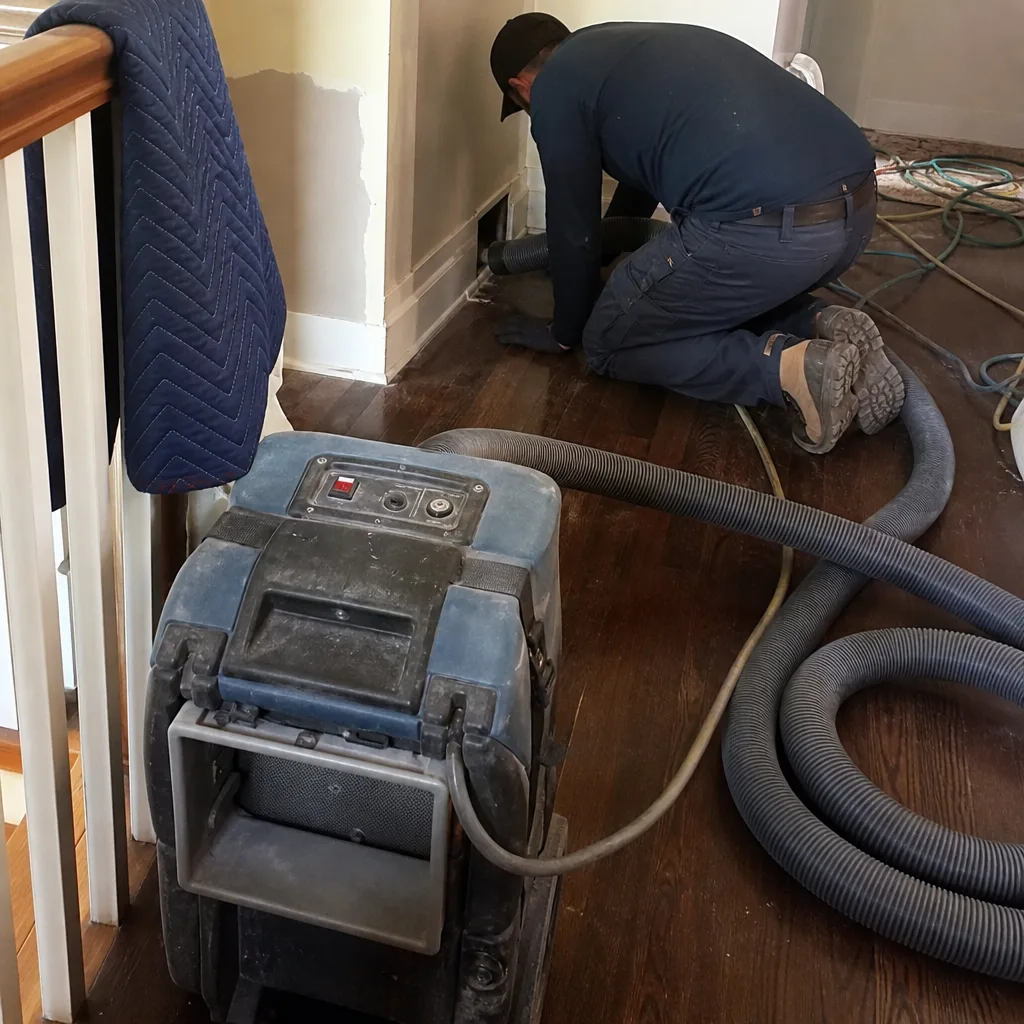 Before
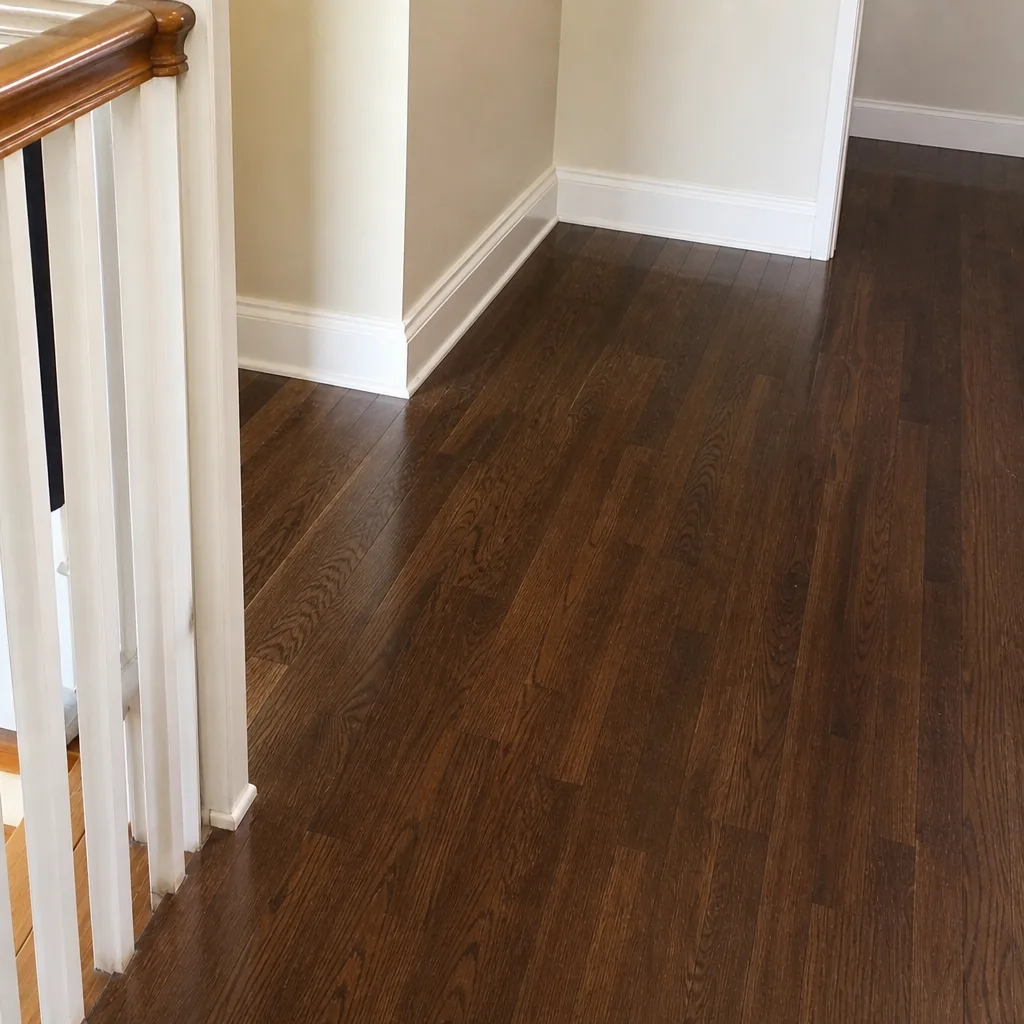 After
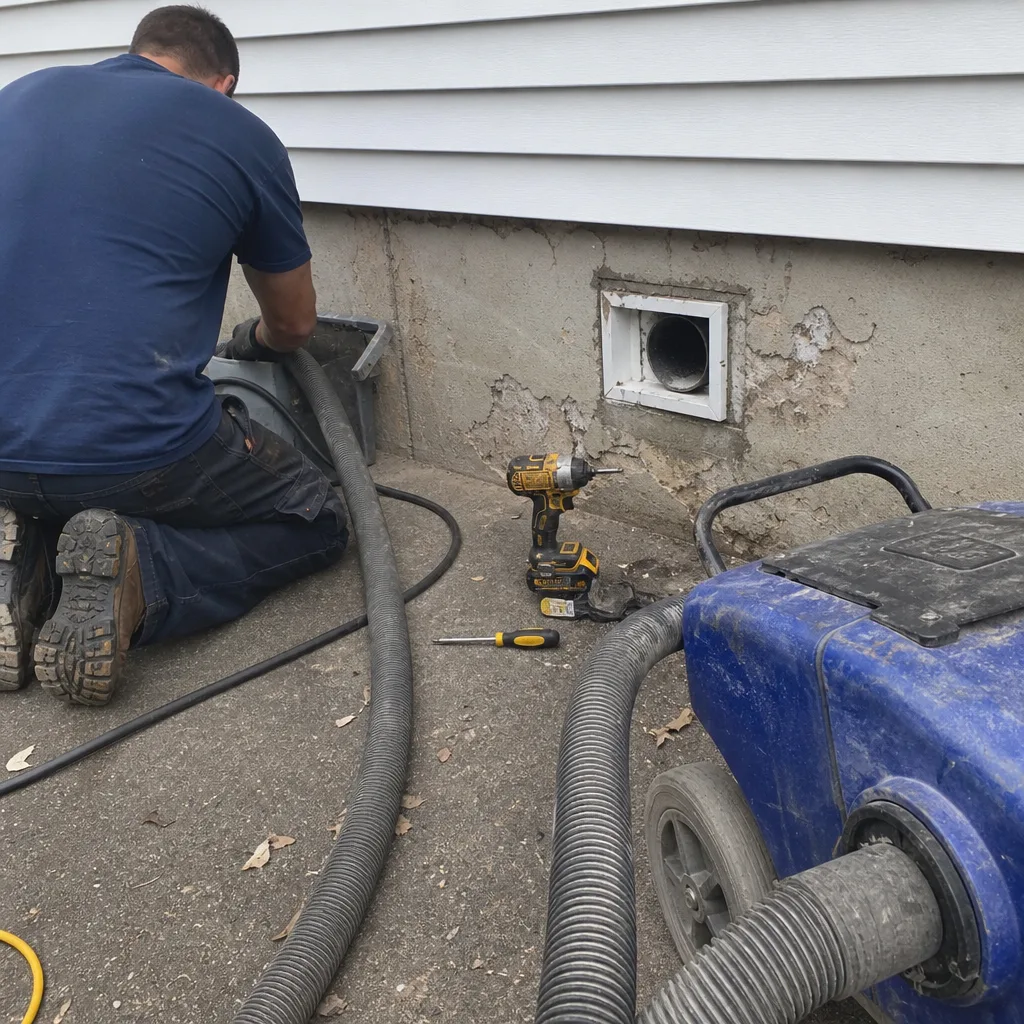 Before
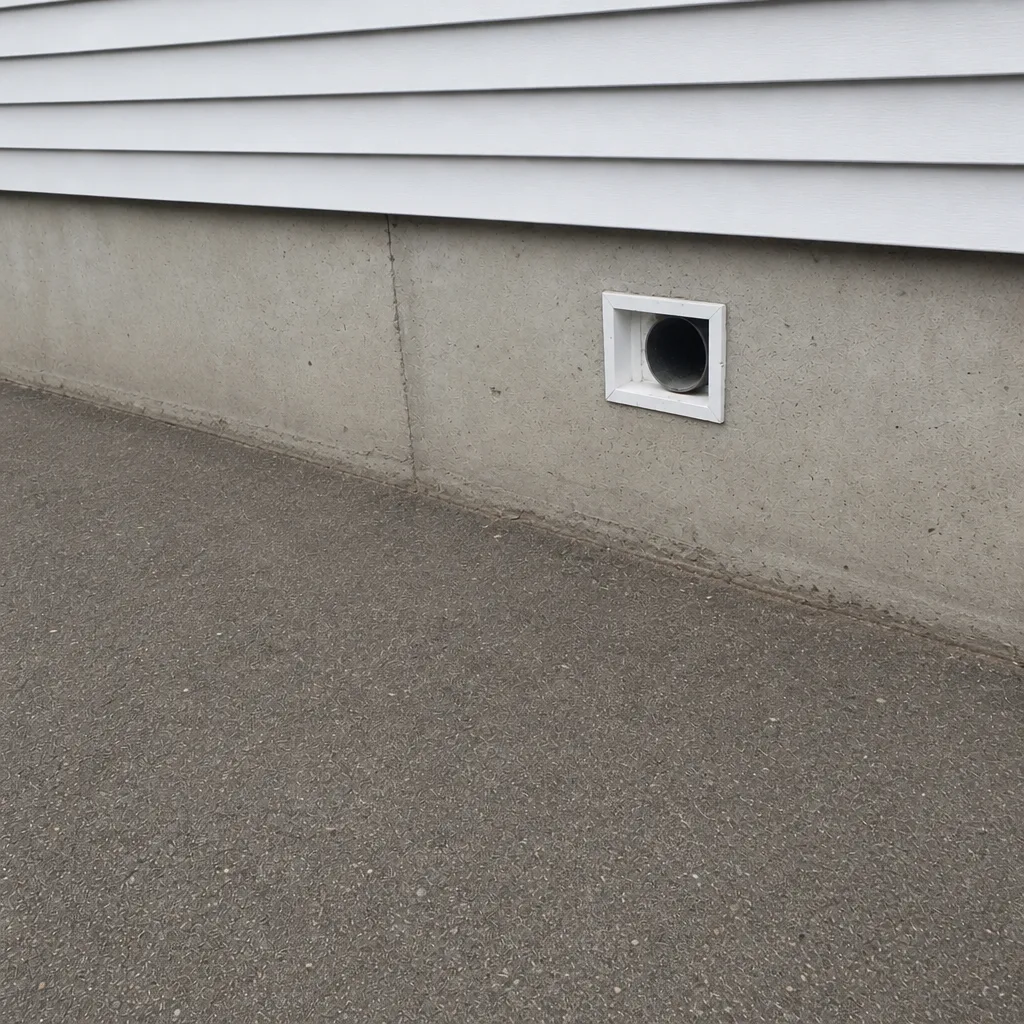 After
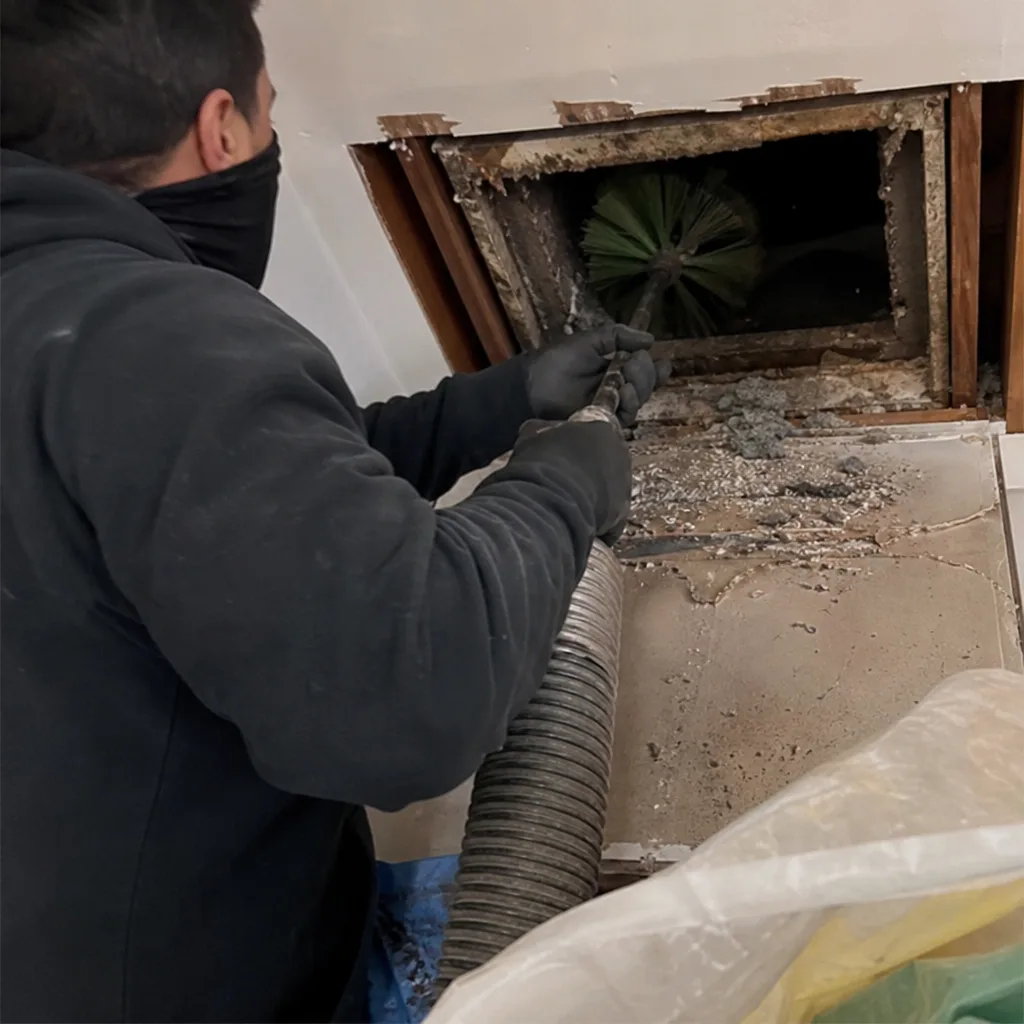 Before
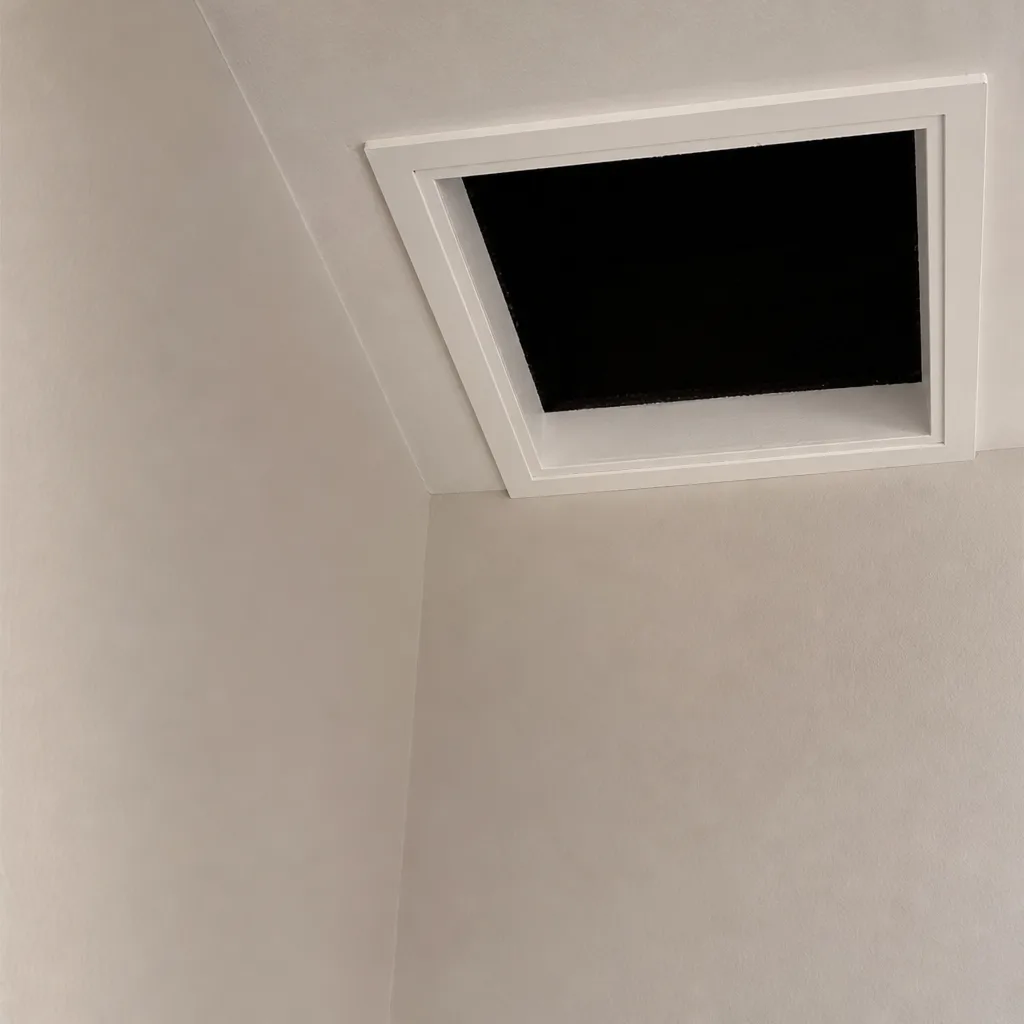 After
Common Mistakes to Avoid
- Booking on price alone. The lowest quote in the Great Kills market is almost always lowest because it’s missing containment, agitation, or the camera check. Those are the parts that make the job real.
- Not asking what equipment will be used. Vague answers about “professional equipment” mean you can’t verify anything. Ask for model names and get them in writing.
- Skipping the insurance check. A certificate you weren’t shown isn’t insurance you have. Ask for the paperwork and verify it’s current.
- Agreeing to a per-vent price. Per-vent pricing lets a contractor run through the vents in an hour and call it done. Whole-system pricing with a written scope is the standard worth paying for.
- Letting them sanitize before cleaning. Sanitizing a dirty duct can seal contaminants against the duct wall. Cleaning comes first, sanitizing follows.
- Forgetting the dryer vent. It’s a separate safety system from the air ducts, and it’s often missed when the crew is focused on HVAC. Ask about it explicitly.
- Not requesting the video inspection after. If you don’t ask for it, you may not get it, and without it you can’t tell what was actually done.
Frequently Asked Questions
Look for a specific equipment answer (named vacuum, containment system, and agitation tools), a NADCA-certified technician, proof of current insurance, and a written scope of work. A contractor who can produce all four is qualified. One who can’t isn’t, regardless of how many reviews they have. Call (844) 625-7163 for a free estimate and we’ll walk you through the answers ourselves.
A cheap quote is cheap because a step is being skipped. Usually it’s negative-pressure containment, camera inspection, or proper agitation, and any one of those left out means dust gets redistributed rather than removed. A whole-system quote that names its equipment is the honest number. Call (844) 625-7163 for an exact estimate on your home.
It includes a camera inspection before cleaning, containment and negative pressure set up at the start, mechanical agitation of every branch line, HEPA-filtered vacuum extraction, a post-clean camera check, and written documentation of the result. Optional sanitizing comes after cleaning. An HVAC coil and blower cleaning is a separate scope and worth adding when it’s been a while.
Often, yes, and this is the part most duct cleaning contractors skip. The coil, blower, and plenum collect dust and biological growth, and they feed the ducts. Cleaning the ducts without cleaning the air handler is like vacuuming a room while the ceiling fan is still moving dust. Ours is a whole-system approach for that reason.
There’s no universal schedule. Most homes don’t need it more than every few years, and some don’t need it at all. Homes with pets, recent renovations, visible dust at the registers, or musty odors when the system runs benefit more, and homes near high-traffic areas pick up more particulate. If you’re unsure, the camera inspection will tell you. Call (844) 625-7163 for a free estimate.
It can if the work is done poorly. Improper cleaning that damages flexible duct liner or separates duct joints can be categorized as damage from improper service, and some warranties exclude that. Hiring a contractor who uses the right agitation tools for the duct material and shows you the result on camera protects the warranty. Ask how they handle flex duct specifically.
The Bottom Line
Hiring a duct cleaning contractor is a process question, not a popularity question. Ask about equipment by name. Ask about containment and negative pressure. Ask for proof of insurance. Get a written scope that lists every register, the sanitizing agent, and the documentation you’ll receive. If the contractor can answer all four questions with specifics, and you’re running dedicated equipment like Rotobrush and Nikro with Abatement Technologies containment, you’re past the point where most Great Kills homeowners get taken. Cleaning is only the beginning. The full result, from intake to vent, is what you’re paying for.
Written by the team at Air Duct Cleaning Great Kills.
Call (844) 625-7163 for a free estimate on duct cleaning, HVAC cleaning, dryer vent safety, and duct repair and sealing. We answer 24/7. Fast dispatch from 7am to 7pm, Sunday through Friday.