
Last updated November 25, 2026
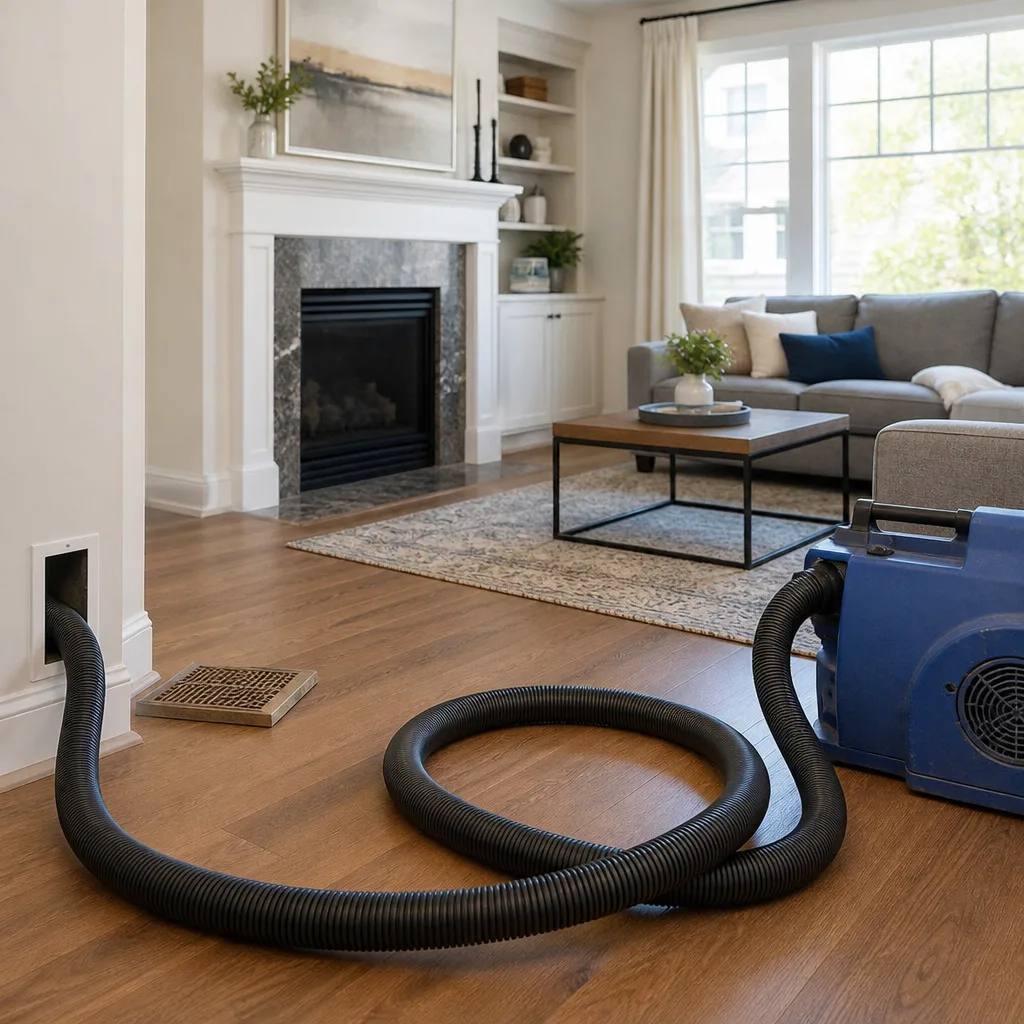 Whole-home duct cleaning
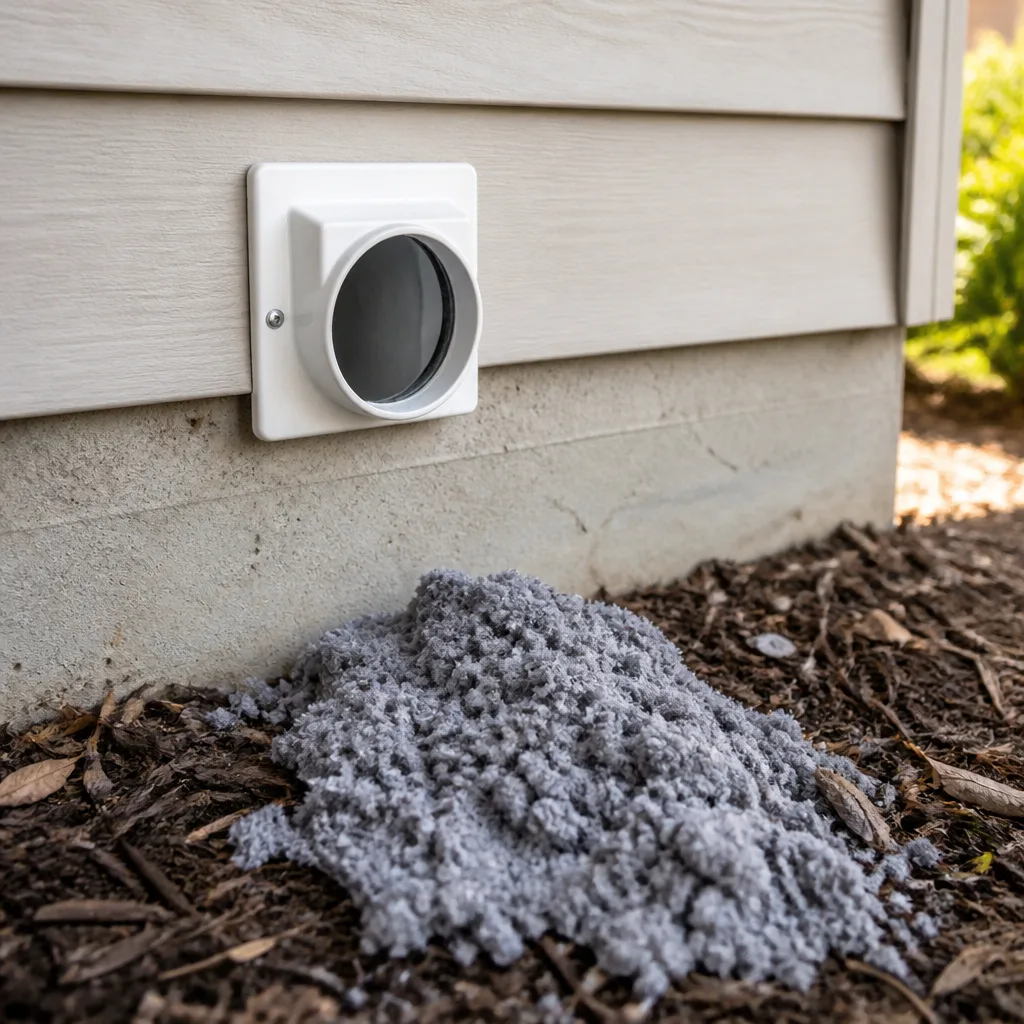 Dryer vent cleaning
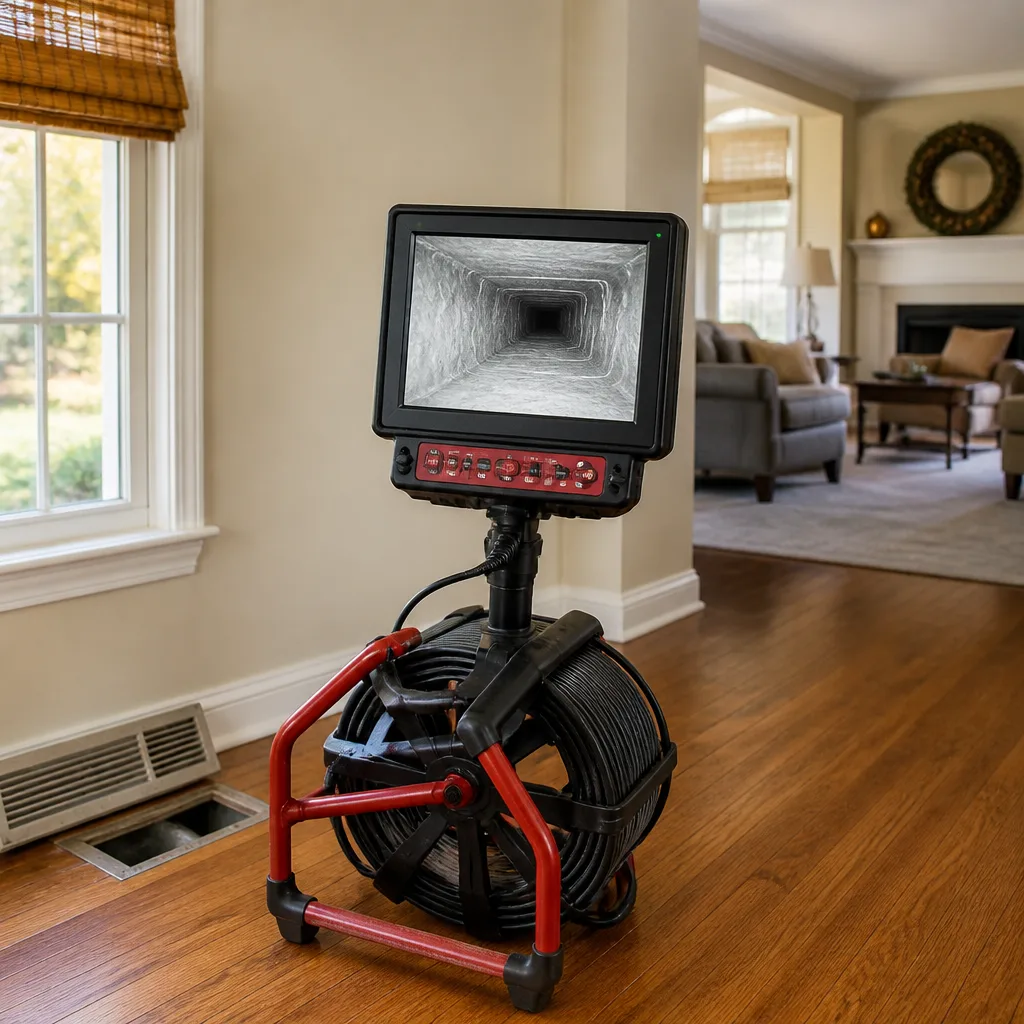 Camera inspection
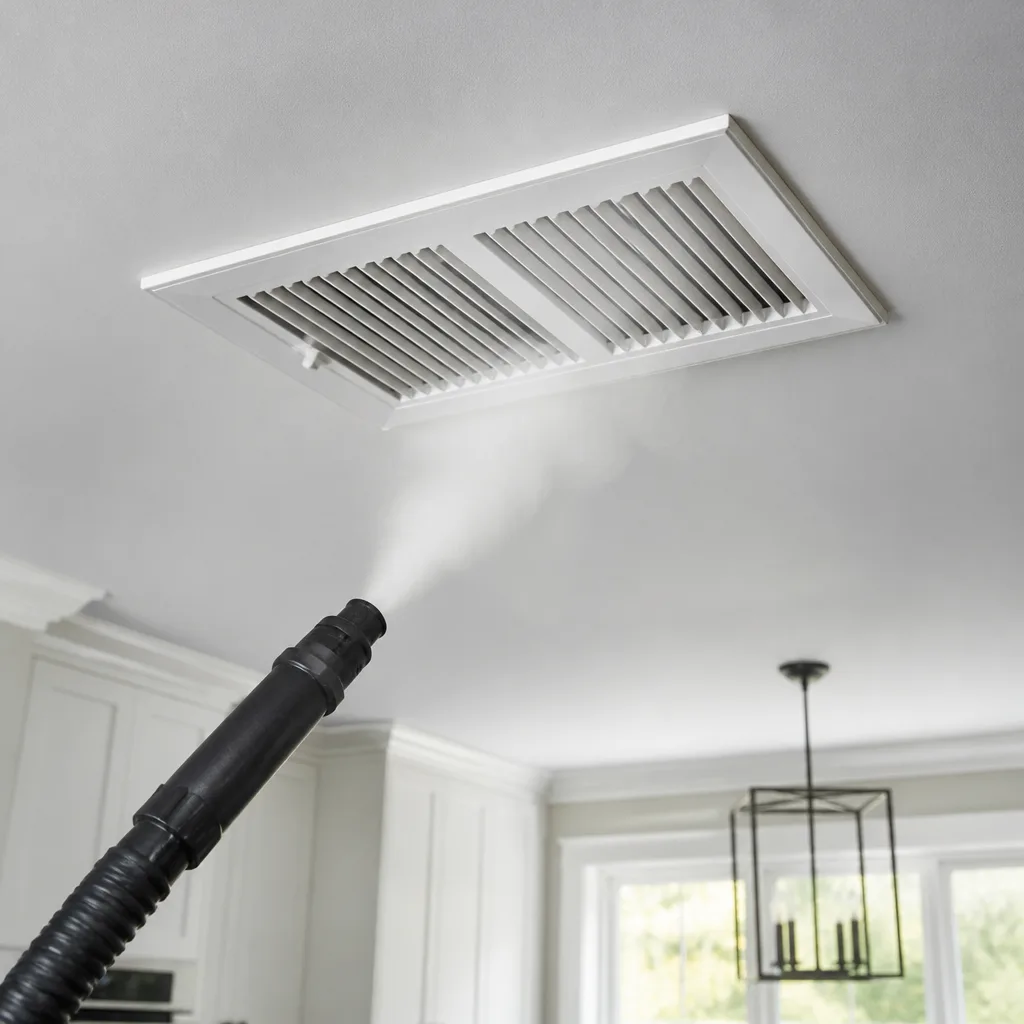 Sanitizing & deodorizing
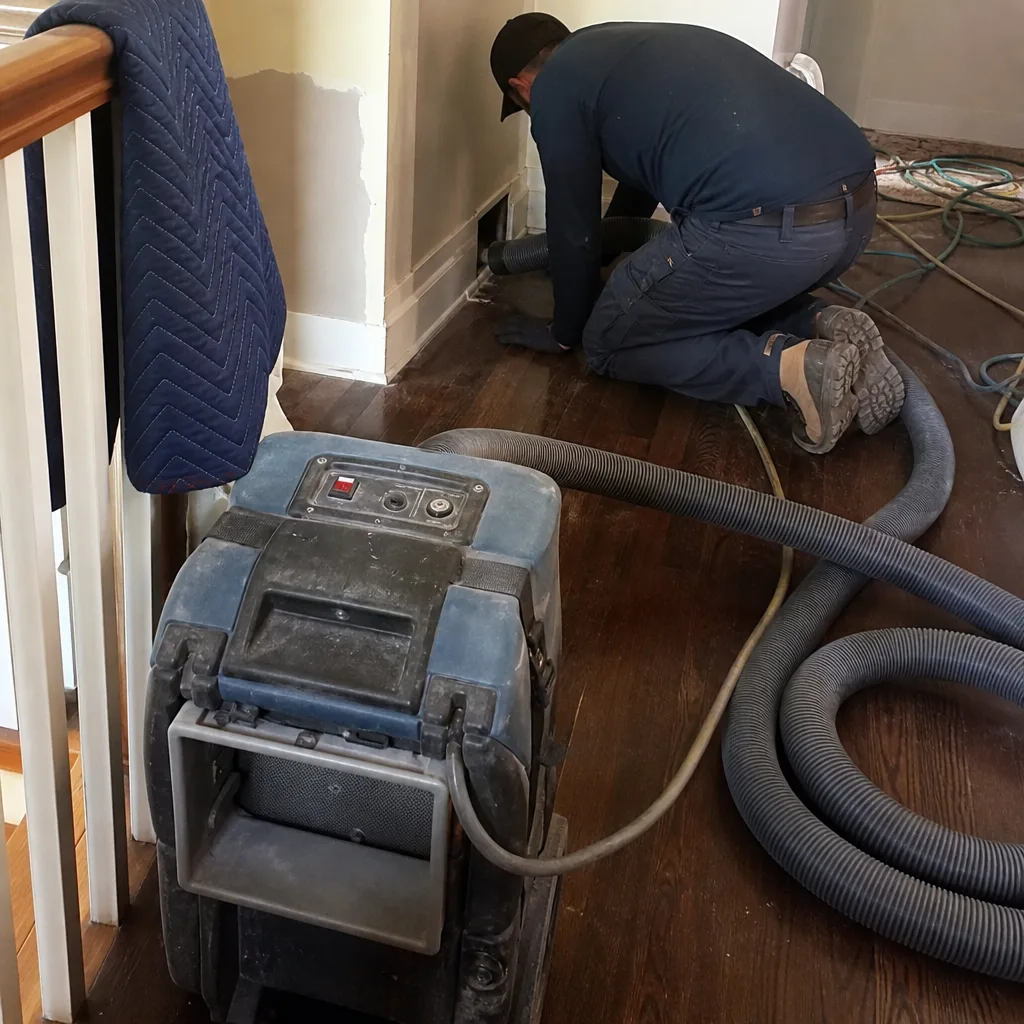
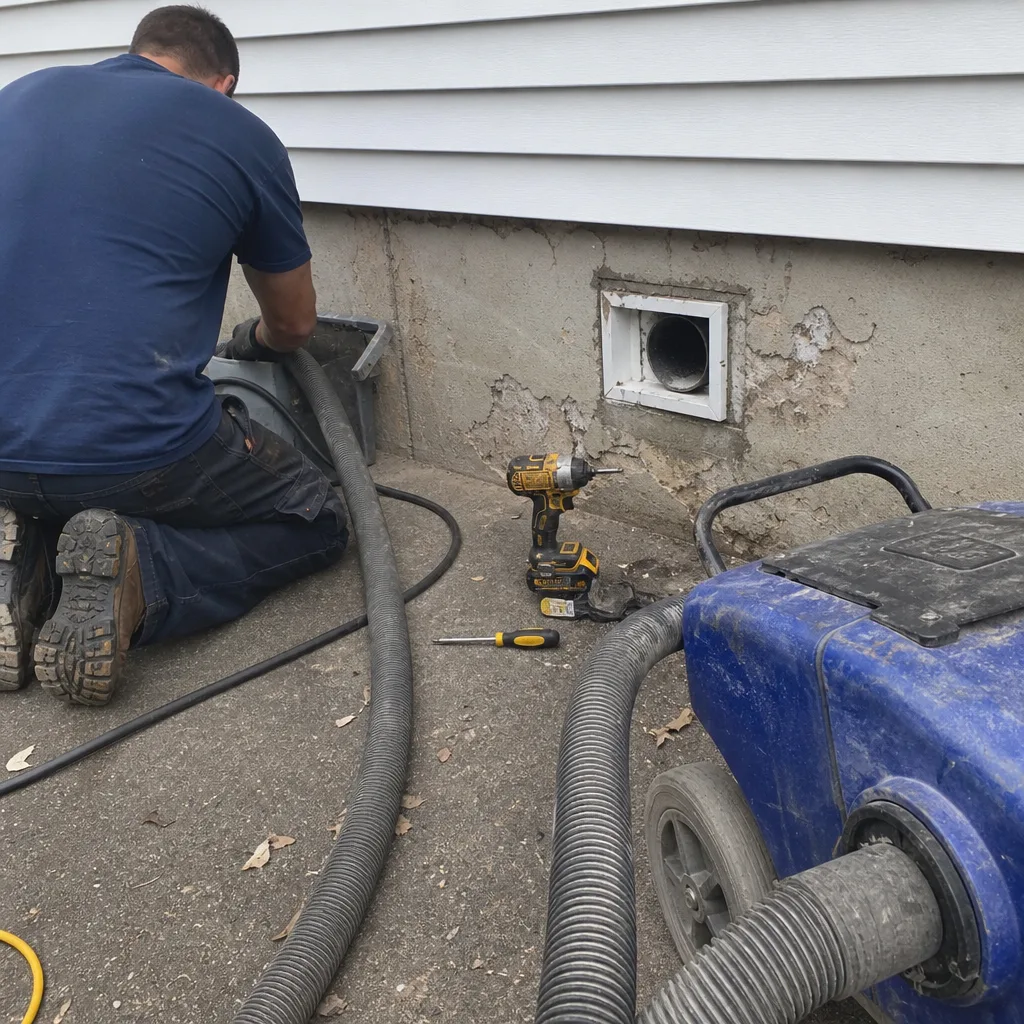
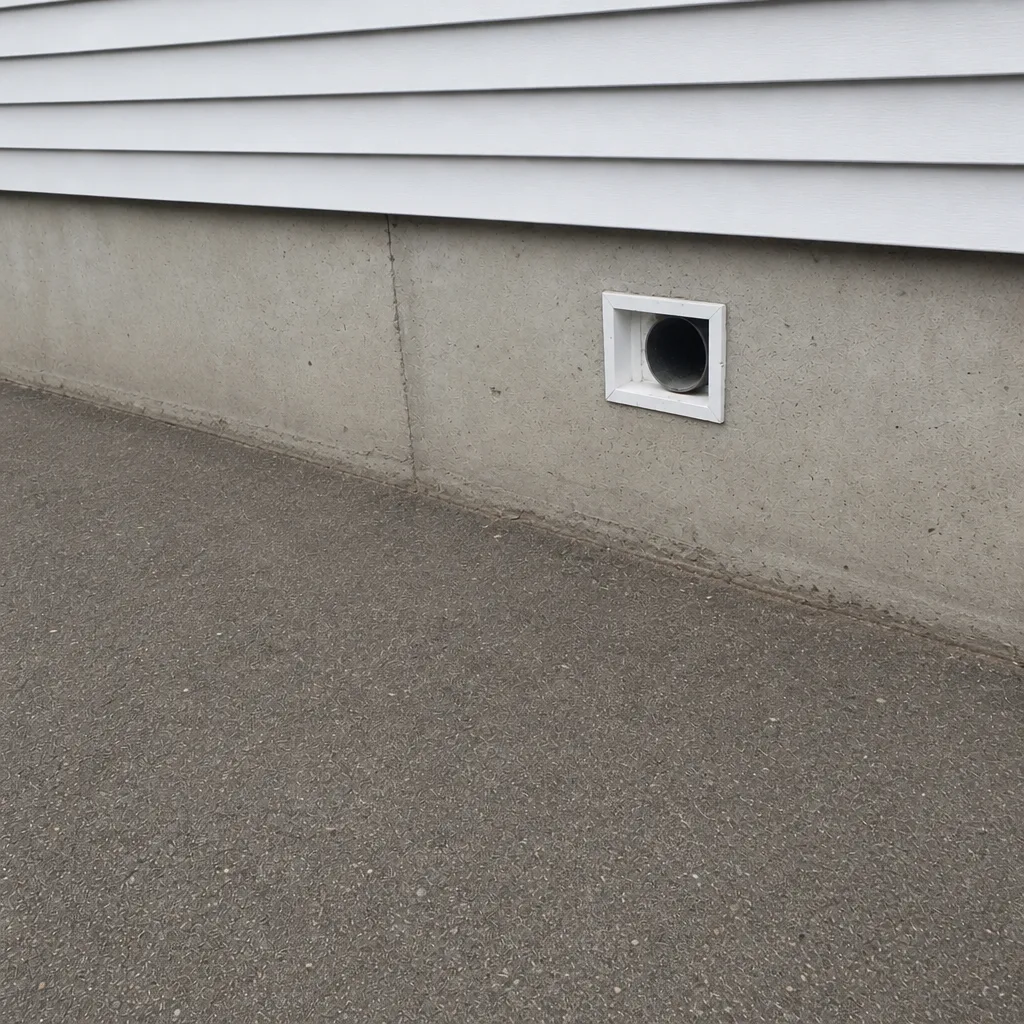
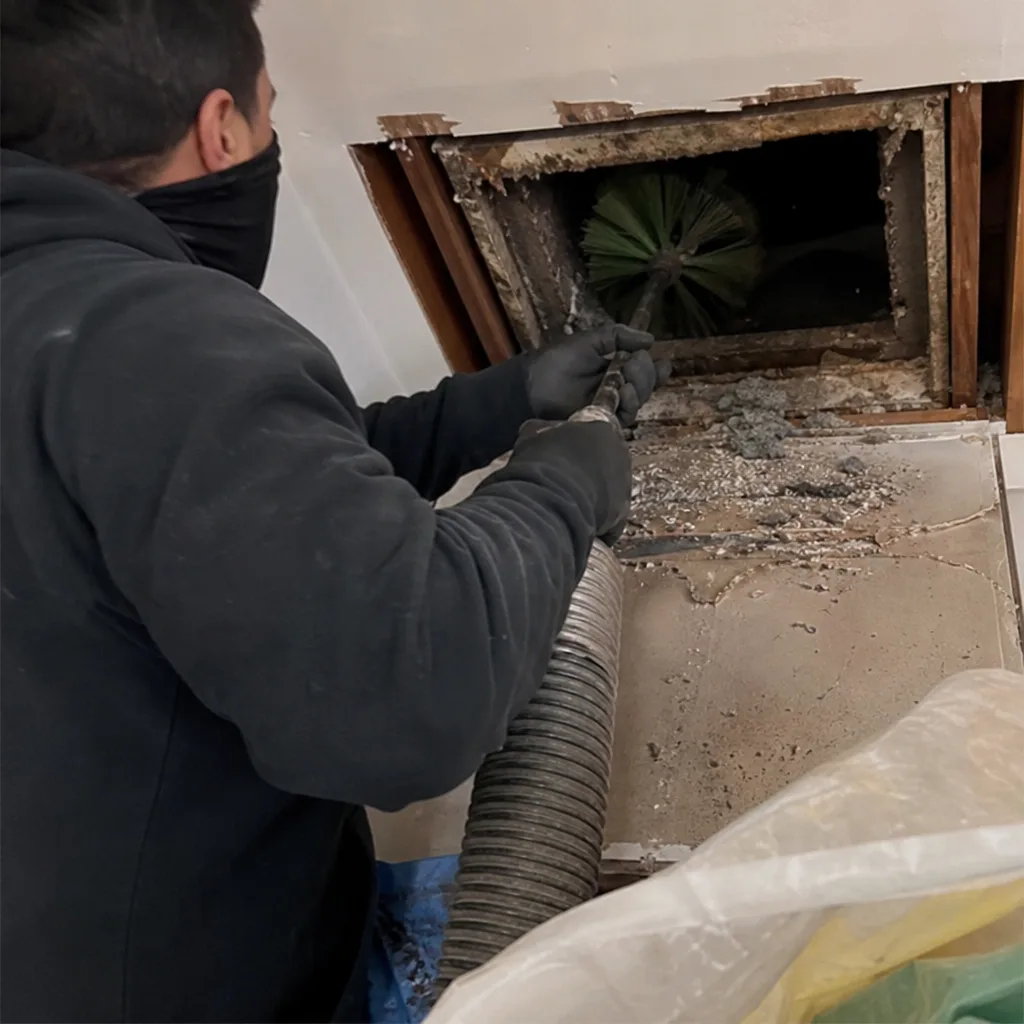
Whole-system duct and dryer vent check with before-and-after photos - you see exactly what came out of your vents
That "$99 whole-house special" is a bait ad - the real number appears once they are in your hallway, or the "clean" is a shop-vac at the register. We photograph the inside of your ducts before and after instead.
Seasonal Air Duct Cleaning Care for Great Kills: Year-Round Homeowner’s Guide
Most homeowners treat duct cleaning as a single annual errand: book it, forget it, repeat next year. That schedule quietly works against you in Great Kills, where the air your ducts carry changes character four times over. Spring loads them with pollen, summer pushes humid air through unconditioned attic runs, fall reactivates a furnace that may have been sitting with settled debris since spring, and winter swings the temperature inside and outside your duct walls hard enough to stress every seam and gasket. Each season leaves its own residue, and the next season’s residue lands on top of it. This guide walks through what actually happens inside Great Kills ductwork month by month, what you can check yourself, and how to stage the work so it costs less than one heavy deep clean.
Quick Answer
The right way to care for ducts in Great Kills is to spread the work across the year rather than book one annual cleaning: inspect after winter, address summer humidity in attic flex runs, do a pre-heating-season blowout and filter upgrade in early fall, and watch duct seals through winter’s condensation cycles. A staged approach keeps deposits from compounding, protects the blower and heat exchanger, and usually comes out cheaper than one large deep clean that has to undo a full year of buildup at once.
Styles & brands we work with
- Whole-home duct cleaning
- Dryer vent cleaning
- Camera inspection
- Sanitizing & deodorizing
Table of Contents
- Why Seasonal Duct Care Beats One Annual Cleaning in Great Kills
- Spring: Post-Winter Inspection Before Pollen Season
- Summer: Humidity, Biofilm and Attic Flex Duct Runs
- Fall: The Pre-Heating-Season Blowout and Filter Upgrade
- Winter: Condensation Cycling and Duct Seals
- How a Full-Spectrum Service Stages Across the Year
- What Homeowners Can Monitor Without Pro Equipment
- Common Mistakes to Avoid
Why Seasonal Duct Care Beats One Annual Cleaning in Great Kills
A duct system in Great Kills doesn’t accumulate a single uniform layer of dust. It accumulates seasonal layers, and those layers behave differently. Spring pollen is fine and light and travels far through a return system. Summer humidity turns that pollen into a sticky film on duct walls. Fall furnace operation bakes the film dry and pushes it toward registers. Winter condensation loosens it again at the seams. By the time a once-a-year cleaning arrives, a technician is removing four different deposits fused together, which takes more time and more containment than four lighter passes would have.
That’s the practical argument for staging. Rotobrush and Nikro systems handle heavy buildup well, and we use both, but heavy buildup isn’t the goal. Clean ducts are only the beginning of the story; the point is keeping the system’s interior, blower, coil and heat exchanger in a condition where they’re not working against the air they move.
There’s a house-stock factor here too. Great Kills has a large share of mid-century ranches and split-levels with duct runs pushed through exterior walls and unconditioned attic space. Those runs see wider temperature swings than a duct system buried entirely in conditioned space, and wide swings are what drive condensation. Newer construction in the area often uses flex duct in the attic, which is efficient to install but less tolerant of trapped moisture than rigid metal.
A useful way to think about the year:
- Spring is for inspection and correction, before pollen makes small problems worse.
- Summer is for moisture control and sanitizing, while humidity is at its peak.
- Fall is for mechanical cleaning and filter upgrading, before the furnace runs continuously.
- Winter is for monitoring seals and watching how the system behaves under load.
Seen this way, Air Duct Cleaning Great Kills isn’t one appointment a year; it’s a maintenance rhythm that matches how the local climate actually behaves.
Spring: Post-Winter Inspection Before Pollen Season
Spring inspection should happen before the pollen load peaks, and its most important job is finding condensation damage left over from winter. Ducts routed along exterior walls in Great Kills cool down hard on cold nights. When warm indoor air touches that cold metal, it condenses. Insulation that got wet in February is still wet in April unless it has been checked, and wet insulation is where mold starts.
What a spring inspection should cover:
- Exterior-wall duct runs. Look at the visible sections where ducts run along outside walls. Any staining, soft insulation jacket or musty smell near a register on an outside wall is worth a closer look with proper equipment.
- Register and return grilles. Pull grilles and look at the first few inches of duct. Winter condensation often shows up as dark spotting or a chalky residue right behind the grille.
- Attic flex runs. Before the attic heats up, check that flex duct jackets are intact and that no run is sagging, kinked or sitting in standing water from a roof or gutter issue.
- Coil and drain pan area. A/C coils that sat wet for months deserve a look before cooling season starts.
If winter left moisture in the system, sanitizing now prevents a summer of musty air. Guardsman-grade sanitizing treatments applied after cleaning are what we use for exactly this situation: the ducts are cleaned first, then treated, so the treatment reaches a clean surface rather than sealing over a dirty one.
Spring is also when pollen begins entering through returns, open windows and door traffic. A fresh filter and a clean return system going into pollen season means the blower isn’t dragging a season’s worth of fine material back into the supply side. For homes that heat with a boiler and cool with window units, the duct discussion is mostly about returns and dryer venting, which is a good reminder that dryer vent cleaning belongs on the same spring checklist.
Summer: Humidity, Biofilm and Attic Flex Duct Runs
Summer in Great Kills is where duct care gets genuinely specific to local housing stock. Humid outdoor air, cool metal ductwork and unconditioned attic space are the three ingredients for condensation inside a duct jacket and, given enough time, biofilm and mold spore accumulation on the duct interior.
The mechanism matters more than the label. During cooling season, supply ducts carry air well below the dew point of attic air. The outside of a duct jacket reaches that same cold temperature. If attic humidity is high, moisture condenses on the jacket surface. Flex duct with a compromised vapor barrier or a torn outer jacket collects that moisture inside the insulation, where it can’t dry. Insulation that stays wet is the single most common problem we see in Great Kills attic runs, and it never fixes itself.
What we do about it in summer:
- Containment first. Abatement Technologies negative-air containment keeps disturbed material from migrating into living space while we work, which matters most when moisture has been present.
- Mechanical cleaning before any treatment. Rotobrush and Nikro equipment with proper brush heads cleans the duct wall. No spray or fog treatment replaces that step.
- Sanitizing after cleaning. Once the surface is clean and dry, a Guardsman-grade sanitizing treatment addresses what’s left in the pores and on the surface.
- Jacket repair and sealing. Where a flex jacket is torn or a rigid seam has opened, we seal it. We seal what we clean, because a cleaned duct with a gap just sucks attic air back in.
If a run is soaked through, the honest answer is that insulation replacement or a reroute is sometimes the better call. A duct system with a moisture problem that can’t dry out won’t stay clean no matter how well it’s cleaned.
Fall: The Pre-Heating-Season Blowout and Filter Upgrade
Fall is the highest-value service window of the year in Great Kills. The reason is simple: once the furnace runs continuously, anything settled in the ducts gets heated, dried and pushed into living rooms as part of every heating cycle. Cleaning before that cycle starts means you’re not heating old debris all winter.
What a pre-heating-season service covers:
- Return-side cleaning. Returns carry the most settled material. Clearing them first protects the blower and evaporator coil downstream.
- Supply-side cleaning and register removal. Every register comes off so the full run gets cleaned, not just the visible run.
- Filter upgrade. Match filtration to the blower and the household’s needs. Aprilaire and Honeywell filtration and air quality products cover a range from standard media filters to higher-efficiency options, and the right choice depends on the equipment, the home and the household.
- Look at the heat exchanger area. This is a visual inspection of the accessible heat exchanger surface and the surrounding cabinet, watching for rust streaks, soot staining, cracked or discolored metal, or an unusually hot or sooty smell. None of that is something a homeowner should assess firsthand, and none of it is something to open up and check. A gas-fired heat exchanger is a safety-critical component; visible cracking or flame rollout means the equipment gets shut off and a qualified HVAC technician makes the call.
- Coil and blower check. Debris that settled all summer gets removed from the blower wheel and coil face, so the furnace starts the season with correct airflow.
Fall is also the right time to bring the whole HVAC cleaning scope together, because cleaning the ducts without the coil and blower is only half the system. Register a question during fall service and the answer usually pays for itself in the first cold week.
Winter: Condensation Cycling and Duct Seals
Winter is the season when duct seals are stressed and homeowners notice problems they can’t quite explain: a room that never gets warm, a faint dusty smell that shows up an hour after the heat comes on, or a rattle near a duct joint. None of these need a technician immediately, but all of them are worth tracking.
Temperature swings from a cold night to a warm afternoon push every duct joint through expansion and contraction. Tape lifts. Gaskets harden. A supply run that was tight in October can leak conditioned air into an attic or wall cavity by January, and the symptom is a cold room at the far end of the house that never quite gets comfortable.
What you can monitor yourself through winter:
- Room-by-room temperature differences. A room that’s consistently several degrees colder than the rest of the house points to a duct or airflow issue, not just an insulation problem.
- Dust on registers. Dust accumulating quickly on a warm supply register is a sign of debris being pushed through the run.
- Odor when heat starts. A smell that shows up at the start of a heating cycle and fades can mean dust burning off the heat exchanger or debris in the duct.
- Visible joint gaps. Where duct joints are accessible in a basement, garage or attic, look for lifted tape or separated sections.
- Condensation on cold duct surfaces. Damp spots on duct insulation near exterior walls are worth noting.
Midwinter cleaning is a bad time for a full mechanical job because everything inside the house is closed up. That’s why sealing and repair work done in fall is what carries you through. If you do have a problem that can’t wait, call and we’ll talk through what’s appropriate to book.
How a Full-Spectrum Service Stages Across the Year
The full cycle looks different from a single annual cleaning, and the difference isn’t just scheduling. A staged approach does five distinct jobs at five distinct moments instead of trying to do all of them in one visit.
| Season | Primary focus | What happens |
|---|---|---|
| Spring | Inspection and correction | Condensation check on exterior-wall runs, register inspection, sanitizing if winter left moisture |
| Summer | Moisture control | Attic flex run inspection, mechanical cleaning where needed, sanitizing, jacket repair |
| Fall | Pre-heating cleaning | Return and supply cleaning, filter upgrade, coil and blower cleaning, heat exchanger area inspection |
| Winter | Sealing and monitoring | Duct seal checks, repair of lifted joints, duct sealing on accessible runs |
| Ongoing | Air quality device care | Filter and air quality product maintenance across Aprilaire and Honeywell solutions |
Why this usually costs less than one deep clean: buildup on a duct wall is roughly additive, but cleaning effort isn’t linear. Four light passes across four seasons take less technician time and less containment setup than one heavy pass in spring where everything got fused together. There’s also less risk that a moisture problem goes unnoticed for months and turns into insulation replacement, which is the largest line item in any duct job.
There’s a coordination benefit too. A single company covering cleaning, sanitizing, sealing, air quality device care and dryer venting means no one hands off the job to someone else. From intake to vent, the same team knows the system.
A filter note for homeowners: if you’re running a high-MERV filter, check it monthly during heating season. A filter that clogs midwinter restricts airflow, which is a bigger efficiency drain than a slightly dirty duct.
What Homeowners Can Monitor Without Pro Equipment
You don’t need tools to catch most duct problems early. You need to pay attention to a handful of things on a regular schedule and know what changes matter.
- Monthly filter check. Hold a filter up to a light source. If you can’t see light through it, it needs replacing. Check more often during the first month after any cleaning.
- Seasonal register inspection. Pull a register and look at the first few inches of duct with a flashlight. Photograph what you see. Comparing photographs over time tells you whether a problem is growing.
- Room temperature check. One afternoon in January, walk from room to room and note which ones feel cooler. A difference of more than a few degrees is worth investigating.
- Odor timing. Note when you smell something. If it appears within minutes of the heat coming on and fades, it’s usually the warming cycle. If it’s constant, it deserves a service call.
- Accessible joint check. In an attic or basement, look for lifted tape, separated sections or soft spots on insulation. Note them and photograph them.
None of this replaces a professional inspection, but it does mean you’re arriving at one with specific evidence. That’s a far more productive conversation than “we think something is wrong.”
Common Mistakes to Avoid
- Treating the annual cleaning as the whole plan. One visit a year doesn’t match how four seasons leave different deposits. Staged care is what actually removes buildup before it fuses.
- Ignoring attic flex runs in Great Kills homes. The attic is where summer humidity does the most quiet damage, and where a torn jacket or a sagging run is easy to miss. Inspect before and after cooling season.
- Wiping down the heat exchanger area yourself. Gas-fired heat exchangers are safety-critical. Wiping, opening the cabinet, or cleaning the exchanger should never be a homeowner task. Look, don’t touch, and route concerns to a qualified HVAC technician.
- Hiring a crew that fogs and leaves. Sanitizing is a post-cleaning step, not a replacement for mechanical cleaning. Fogs on a dirty surface just seal in what’s there.
- Skipping the dryer vent. It’s a fire-safety item, not a convenience. Great Kills homes with long dryer runs are the ones where lint packing is a real concern.
- Running a high-efficiency filter in a blower that can’t support it. A filter that’s too dense stresses the blower and can freeze a coil. Match the filter to the equipment, not to a package claim.
- Waiting for a visible problem before calling anyone. By the time you see mold on a register, the moisture problem has usually been present for a season. Spring inspection is the fix for that pattern.
When to Call a Professional
Some duct conditions are worth watching. Some are worth a call. Call us if you smell a persistent musty odor that doesn’t clear after a filter change; if you see water staining on duct insulation near an exterior wall in the middle of a cold winter; if a room stays noticeably colder than the rest of the house after you’ve checked registers and filters; if you notice visible contamination on the heat exchanger cabinet or smell gas in the area; if your dryer takes noticeably longer to dry clothes than a couple of years ago; or if the ducts in Great Kills are in a home you’ve recently moved into and you don’t know when they were last cleaned. A complete cleaning, sanitizing, sealing and device check usually starts with a proper inspection rather than a guess. Air Duct Cleaning Great Kills offers free estimates in Great Kills – call (844) 625-7163. We answer 24/7. Fast dispatch from 7am to 7pm, Sunday through Friday.
See the difference
 Before
 After
 Before
 After
 Before
 After
Frequently Asked Questions
A staged approach is more effective than a strict calendar: inspect in spring, address humidity issues in summer, clean the full system in fall before heating, and monitor seals through winter. For some homes a full mechanical clean happens every few years, with lighter seasonal passes in between. Call (844) 625-7163 to talk through a schedule for your home – estimates are free.
That smell is typically settled dust and residual moisture from the summer season being dried and pushed through the system when the furnace runs continuously for the first time. The fix is a pre-heating-season cleaning and filter upgrade done before the first sustained cold snap. Call (844) 625-7163 for an exact quote – estimates are free.
It can be, but for homes with attic flex duct, exterior-wall runs or high pollen exposure, a single annual deep clean usually lets the deposit layer build back between visits. Staged work over the year is generally more effective and costs less than a heavier annual job. Call (844) 625-7163 to book an assessment.
You can inspect accessible registers, look at duct insulation in the attic or basement, and note any odor or staining, but you can’t properly assess duct interior contamination without proper equipment. Anything beyond a visual note belongs in a professional inspection. Call (844) 625-7163 – estimates are free.
Yes. A clogged dryer vent is a fire-safety concern, not just a performance one, and lint buildup restricts airflow enough to lengthen dry times and overheat the appliance. It’s the single most-ignored duct service in the area. Call (844) 625-7163 to add it to a scheduled visit.
We answer 24/7. A call outside dispatch hours is booked into the next opening, Sunday through Friday, 7am to 7pm. We’re closed Saturday. Call (844) 625-7163 to get on the schedule.
Visible rust streaking, soot staining, discolored or cracked metal, or a hot, sooty smell in the cabinet area are all worth noting, and none of them should be investigated firsthand. A gas-fired heat exchanger is safety-critical: shut the equipment off and have a qualified HVAC technician confirm the condition. Our technicians have up to 13 years of experience on the duct and system-cleaning side, and we route heat exchanger findings to the right specialist. Call (844) 625-7163 to schedule a fall visit.
The Bottom Line
Great Kills duct systems don’t just get dirty; they get dirty seasonally, and each layer behaves differently from the last. Spring inspection catches winter condensation before pollen season. Summer is when attic flex runs and moisture need the most attention. Fall is when mechanical cleaning, filter upgrades and coil work pay off before the furnace runs continuously. Winter is when seals and airflow tell you whether the year’s work is holding. Staging the work across the year costs less than one heavy annual deep clean and keeps the whole system, from intake to vent, in better condition. Our technicians have up to 13 years of experience working with Rotobrush and Nikro equipment and Abatement Technologies containment, and every job is documented with before-and-after photos. A single flat price per system is agreed before any work starts.
Get a Free Estimate
Air Duct Cleaning Great Kills offers free estimates in Great Kills for cleaning, sanitizing, duct repair and sealing, and dryer vent service. Call (844) 625-7163. We answer 24/7. Fast dispatch from 7am to 7pm, Sunday through Friday. We’ll look at what’s actually happening inside your duct system, walk through the full scope with before-and-after photos, and give you a clear written estimate before anything starts.
Written by the team at Air Duct Cleaning Great Kills.