
Last updated November 25, 2026
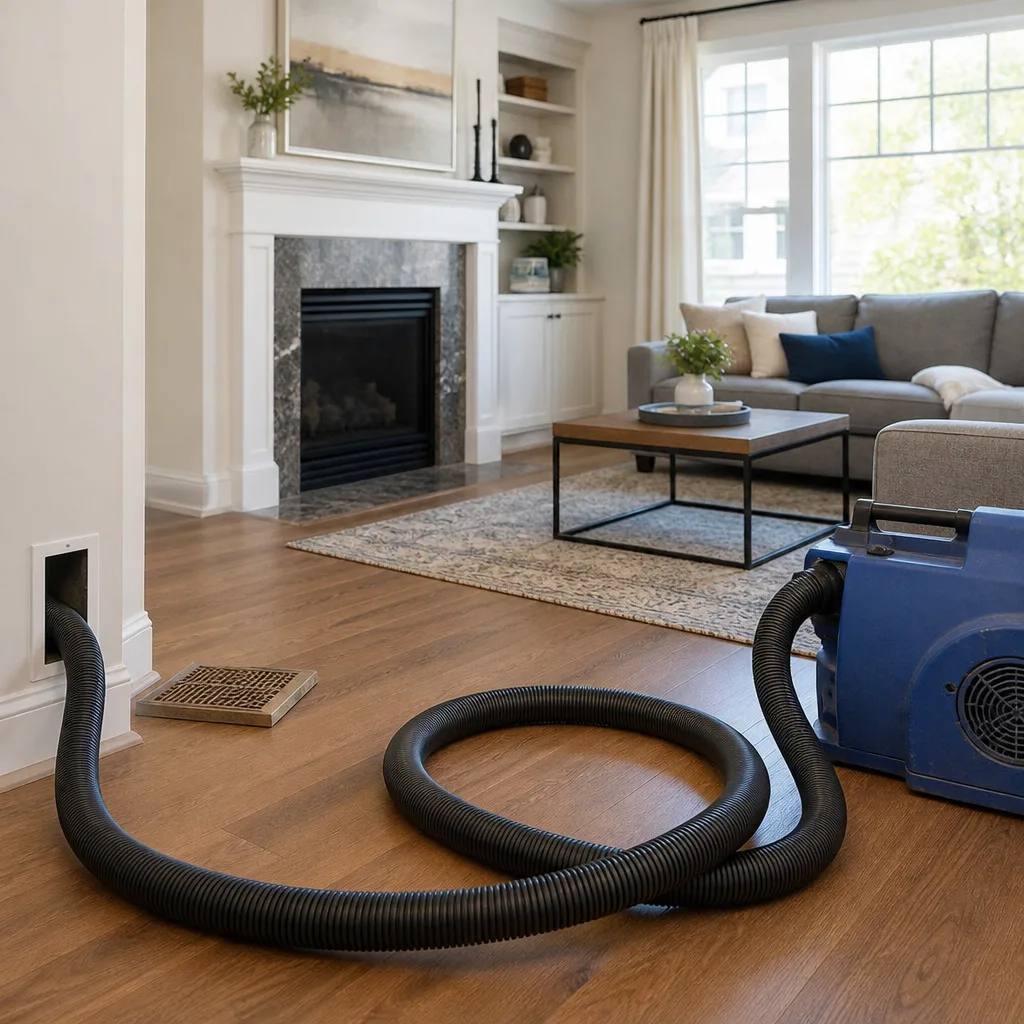 Whole-home duct cleaning
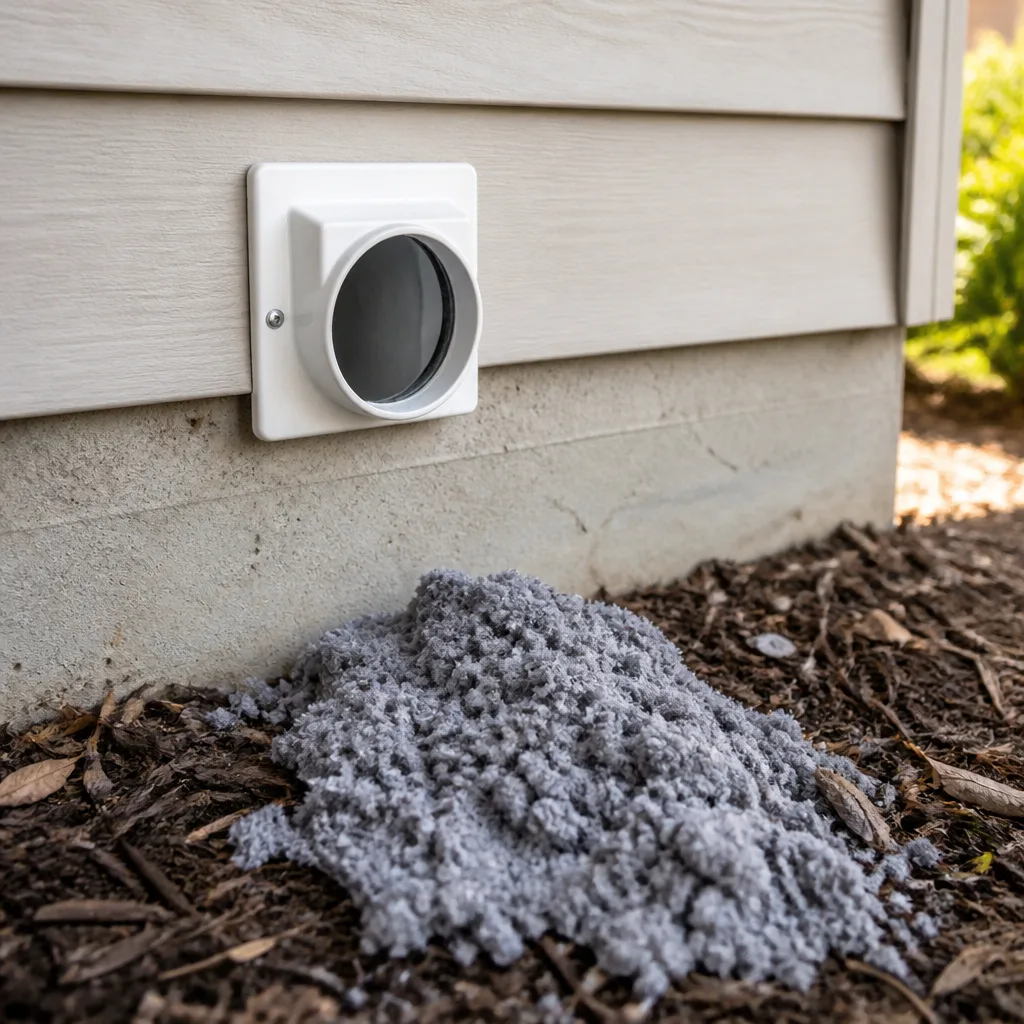 Dryer vent cleaning
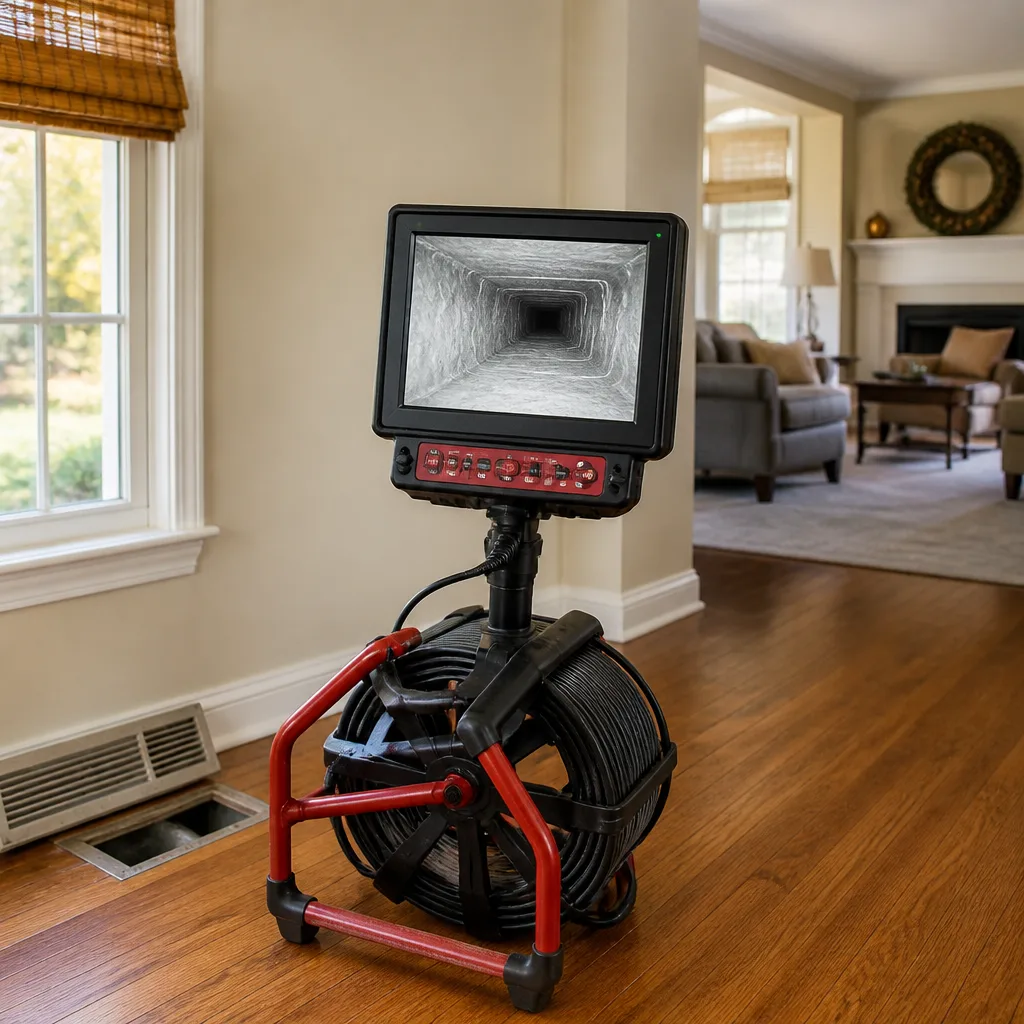 Camera inspection
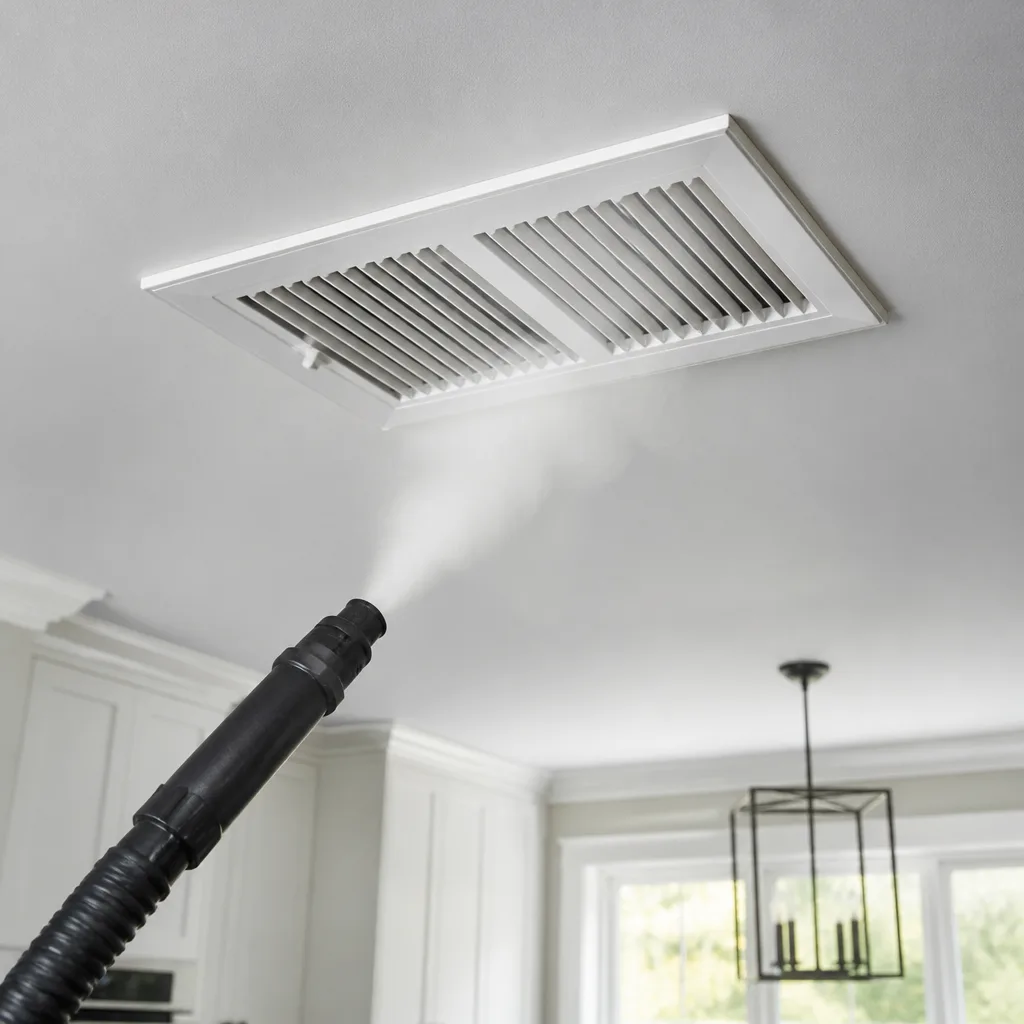 Sanitizing & deodorizing
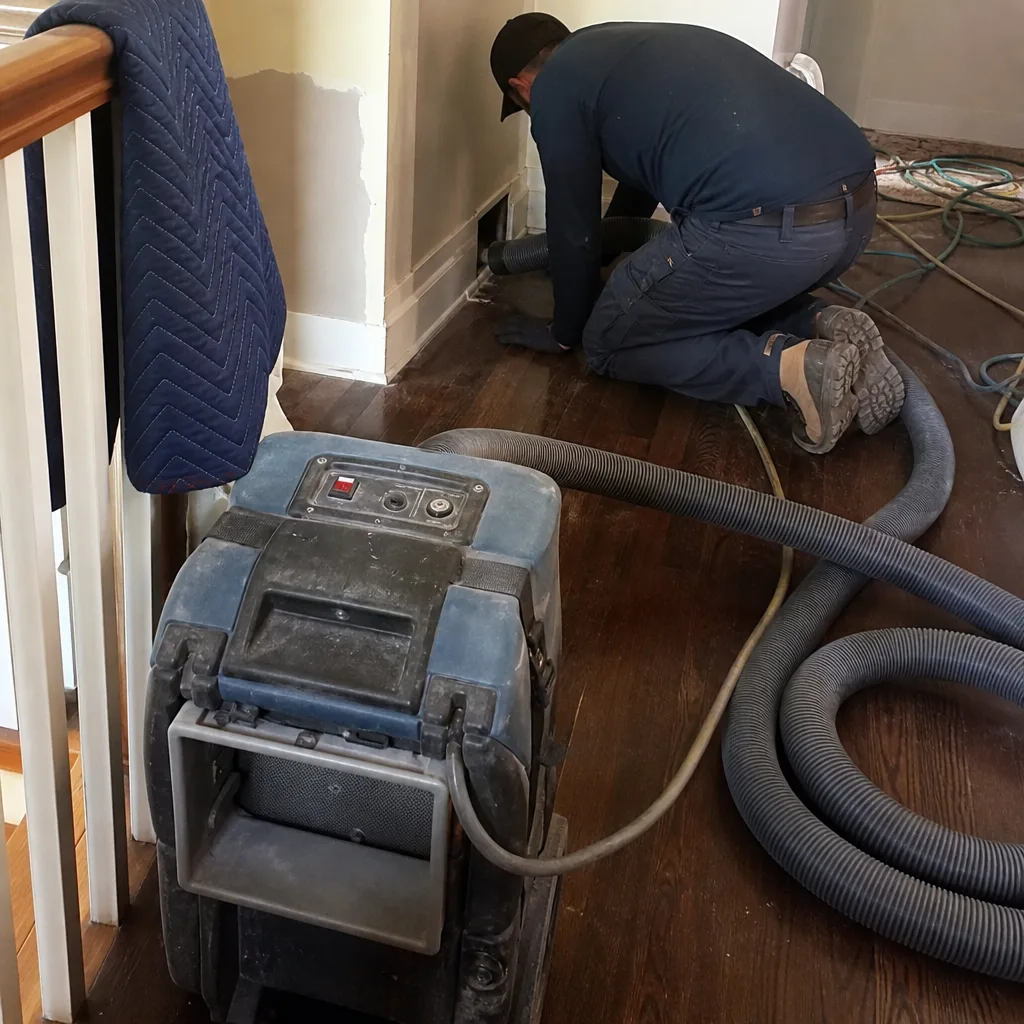
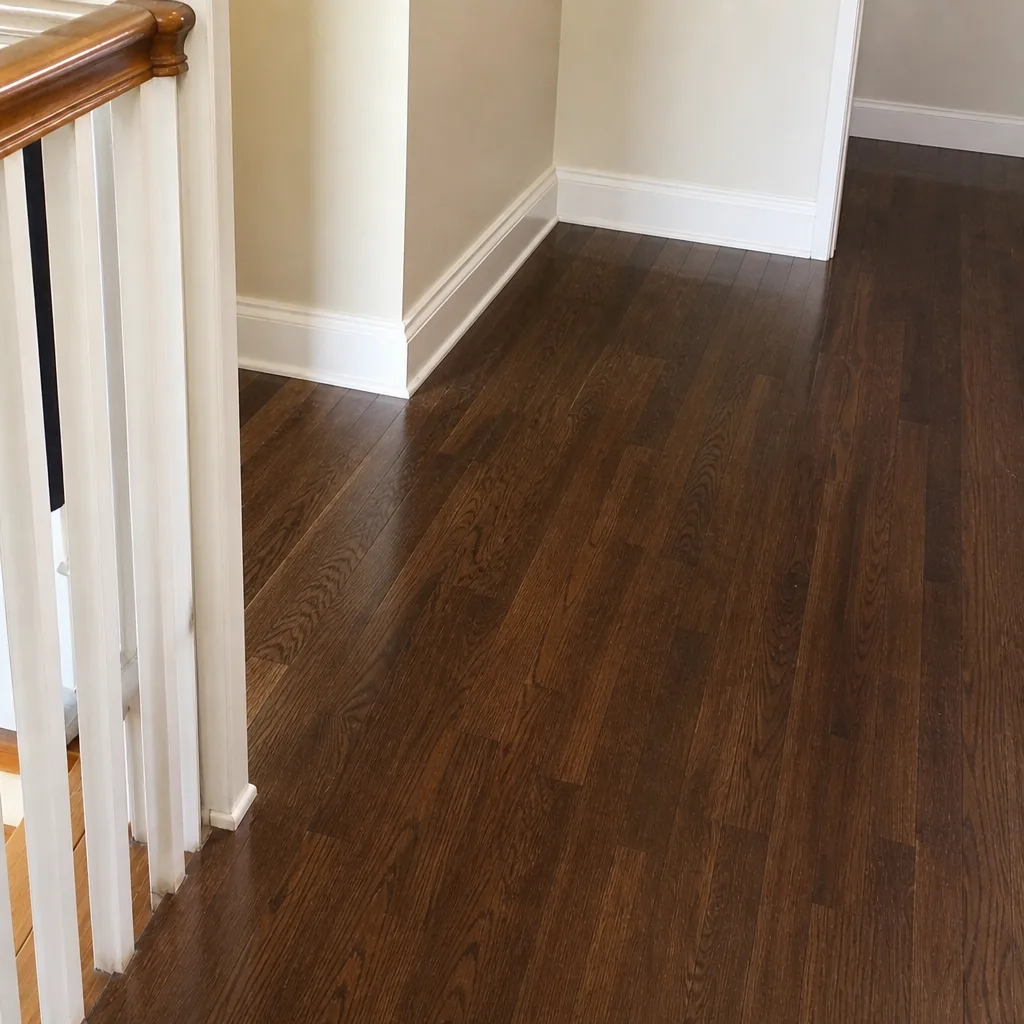
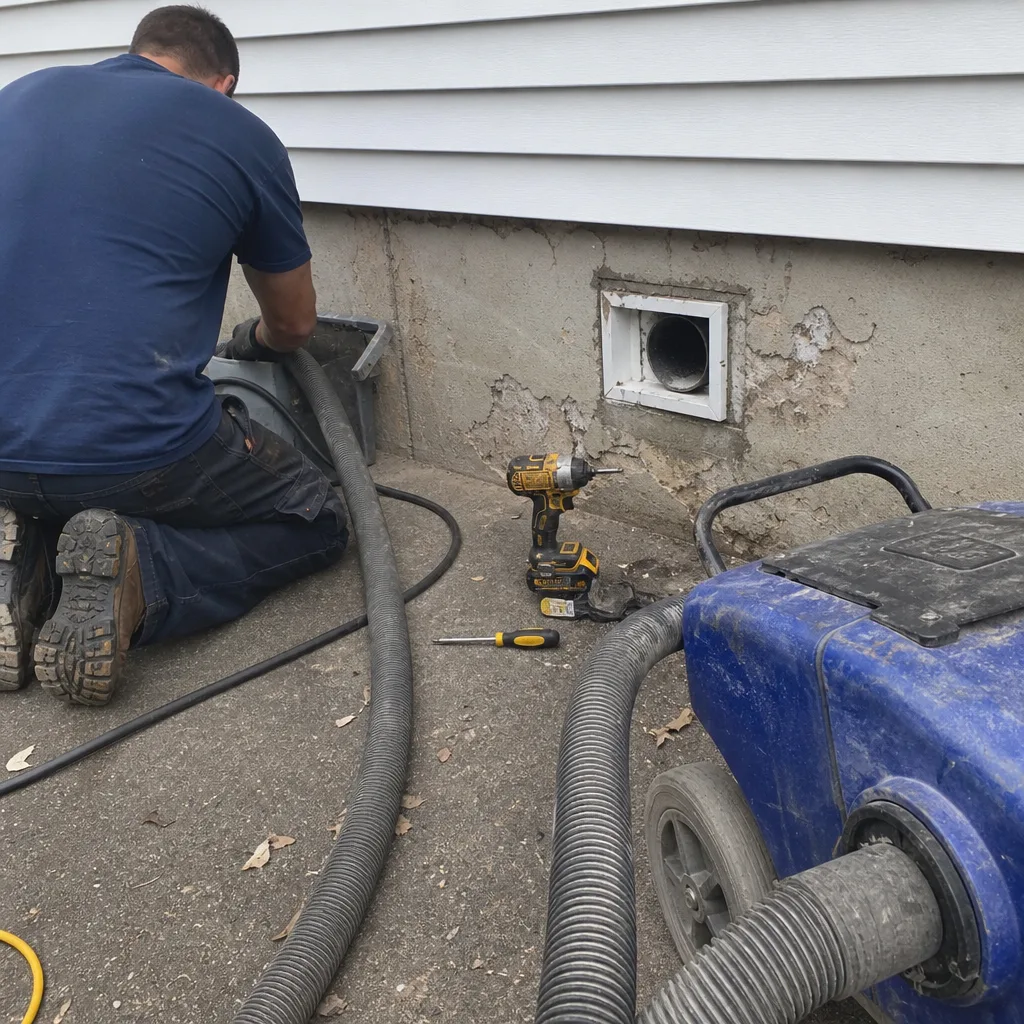
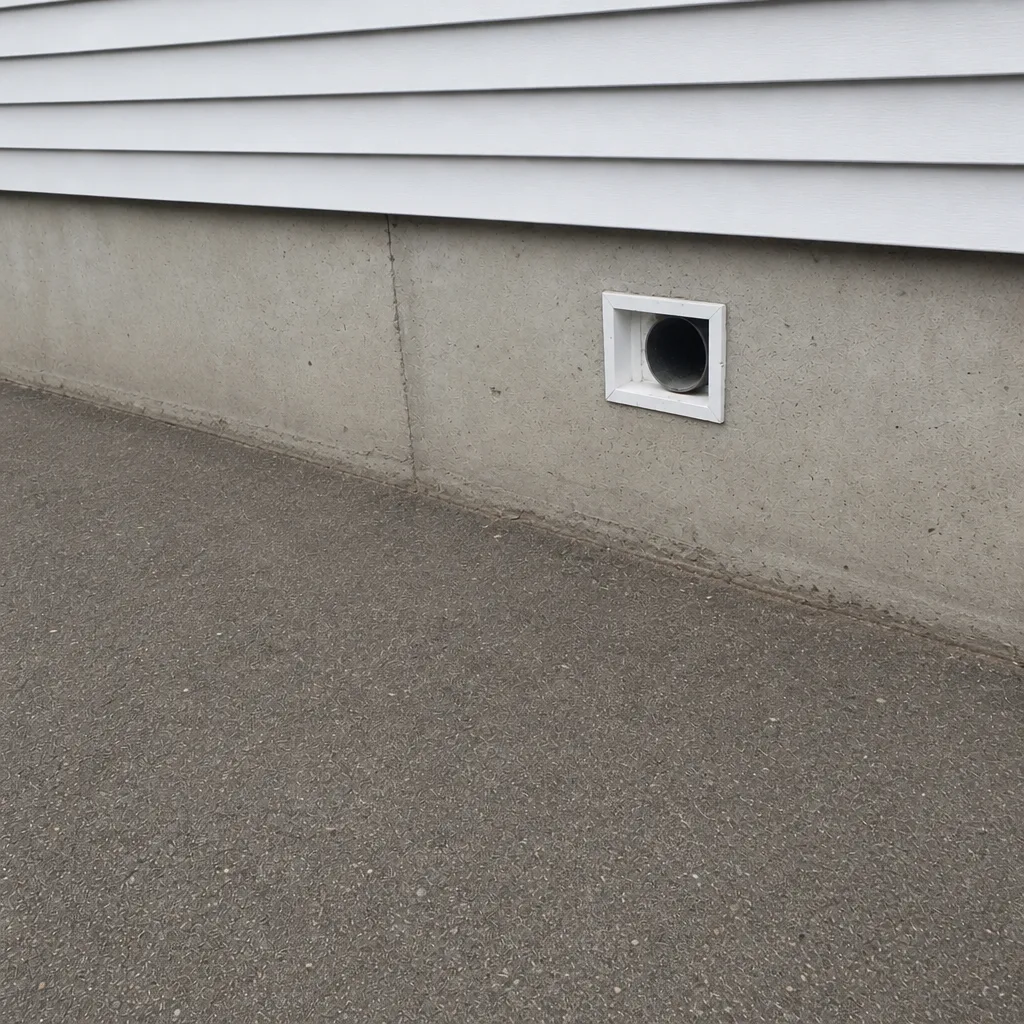
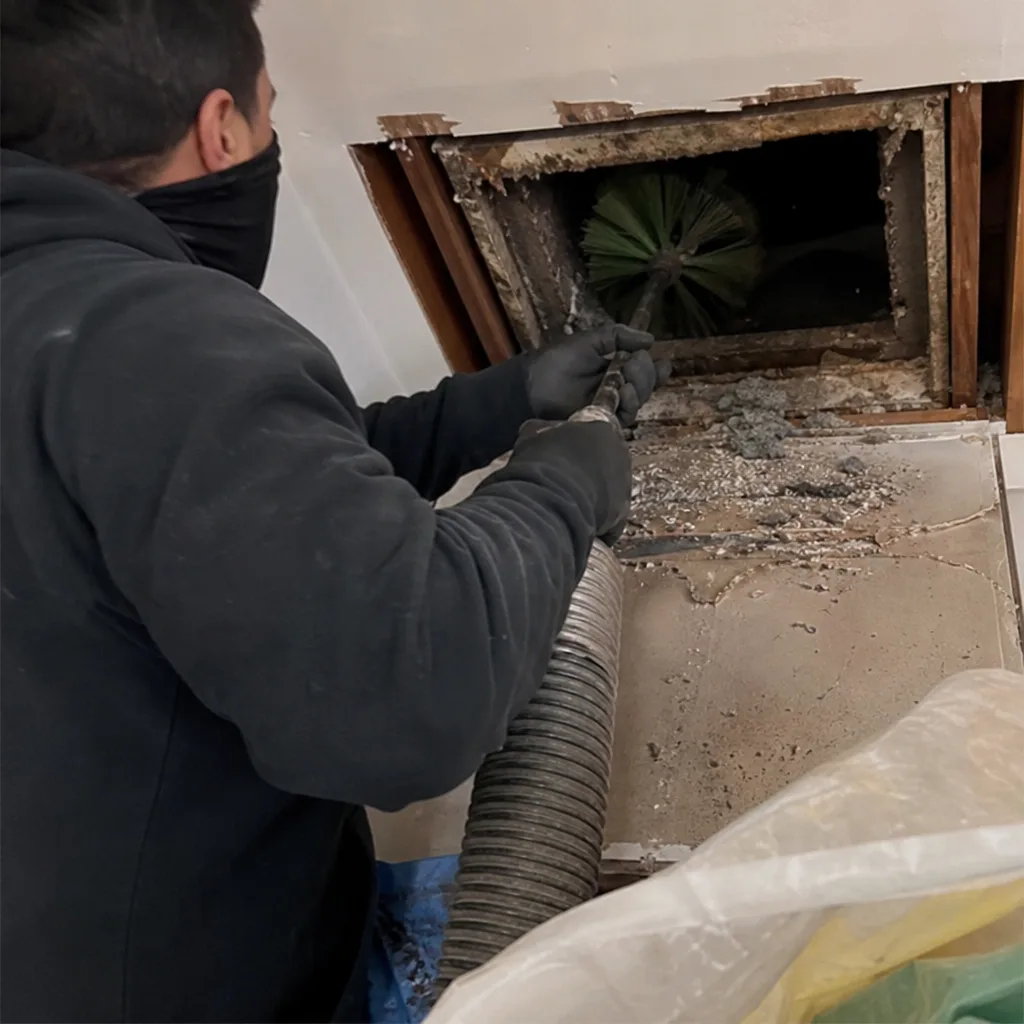
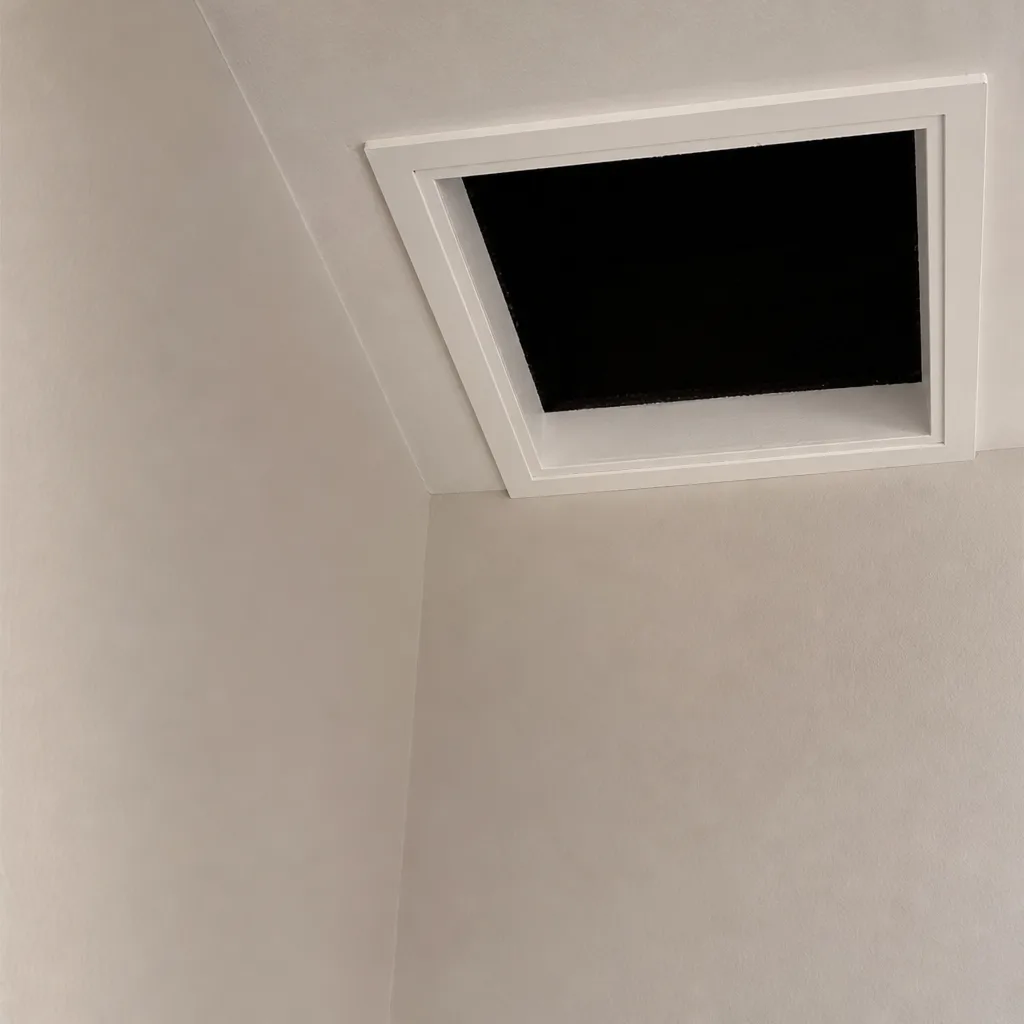
Whole-system duct and dryer vent check with before-and-after photos - you see exactly what came out of your vents
That "$99 whole-house special" is a bait ad - the real number appears once they are in your hallway, or the "clean" is a shop-vac at the register. We photograph the inside of your ducts before and after instead.
Air Duct Cleaning Cost Breakdown: The Great Kills Homeowner’s Reference for 2026
The $99 whole-home duct cleaning coupon is a loss leader, and the Federal Trade Commission has been documenting that business model for years. The number on the postcard isn’t the price of the job. It’s the price of getting a technician through your door, where the real revenue comes from add-ons you didn’t ask for and probably don’t need. In Great Kills, where most homes run central forced air through ductwork that’s been in place for decades, that gap between the advertised number and an honest quote can be wide. This reference walks through what a legitimate 2026 duct cleaning scope actually contains, line by line, so you can read a quote the way a contractor reads it.
Quick Answer
A full-service air duct cleaning job for a typical single-family home in Great Kills runs roughly $450 to $1,200 in 2026, depending on the number of vents, system type, duct material, and access. That figure covers mechanical cleaning of the whole system plus basic sanitizing. Duct sealing, video inspection documentation, and filter upgrades are separate line items that push the total higher. Any quote far below that range should be read as a marketing number until you see the written scope.
Styles & brands we work with
- Whole-home duct cleaning
- Dryer vent cleaning
- Camera inspection
- Sanitizing & deodorizing
Table of Contents
- How air duct cleaning pricing actually works
- What belongs in a full-service scope of work
- What drives cost variation in Great Kills homes
- Why truck-mounted negative pressure costs more to run
- Add-ons worth evaluating (and the ones that aren’t)
- How to compare quotes apples-to-apples
- Common mistakes to avoid
- Frequently asked questions
How Air Duct Cleaning Pricing Actually Works
Air duct cleaning isn’t priced by the hour, and it shouldn’t be. It’s priced per system, because the work is defined by the geometry of your ductwork, not by how long a technician takes to walk through it. A one-story ranch with eight supply vents and a single return is a fundamentally different job from a two-story colonial with twenty-two vents and three returns branching off a trunk line in the basement. The equipment setup is the same. The labor and access are not.
In Great Kills, we’ve seen the pricing conversation get muddy because so many quotes are built around a vent count. Per-vent pricing sounds transparent, but it hides the parts of the job that matter most: cleaning the trunk lines, the plenum, the air handler cabinet, and the return side of the system. A company that charges by the vent has every incentive to count vents quickly and clean them shallowly.
Three pricing models show up in this market:
- Flat per-system pricing. One number for the whole system, agreed before work starts. This is what a real scope of work looks like.
- Per-vent pricing. A low number per vent that adds up fast, and usually excludes trunk lines and returns.
- Teaser-plus-add-on pricing. A coupon price for a “basic cleaning” that becomes a menu of upsells once the technician is inside.
When you’re evaluating any number, ask what’s included in the written scope, not what’s on the flyer. If you want to understand the full process before we get into line items, the overview of Air Duct Cleaning Great Kills explains what a controlled, contained cleaning actually involves from start to finish.
What Belongs in a Full-Service Scope of Work
A legitimate full-service duct cleaning quote breaks into distinct line items, and each one has a realistic price band in the 2026 Great Kills market. If a quote rolls everything into one undifferentiated number with no breakdown, ask for the breakdown. Any honest operator will provide it.
Here’s what a real scope of work contains, with typical 2026 ranges for a mid-size single-family home:
- Mechanical cleaning of the full duct system (supply and return, trunk lines, plenum, air handler cabinet): $350 to $850. This is the core line item and the one that should never be discounted into a coupon.
- Video inspection and documentation (before-and-after photos or footage of your own ducts): $75 to $200 when added to a cleaning, sometimes included. This is your proof the work happened.
- Sanitizing application (post-cleaning treatment of the duct interior): $100 to $300, depending on square footage and product used. This is a separate step from cleaning and should be listed separately.
- Duct sealing (sealing accessible joints and connections to reduce leakage): $300 to $900, depending on the number of accessible joints and the method used. Often quoted separately from cleaning because it’s a repair, not a cleaning task.
- Filter upgrade (higher-MERV filter or a whole-home filtration cabinet): $40 to $250 for a filter, $400 to $1,200 for a filtration cabinet install. Worth a conversation, not a hard sell.
A full-service quote for a typical Great Kills home that includes cleaning, sanitizing, and documentation usually lands in the $525 to $1,300 range. Sealing and filtration push the total higher. The written estimate sets the final price, and it should be agreed before any equipment comes off the truck.
What Drives Cost Variation in Great Kills Homes
Great Kills has a housing mix that makes duct cleaning pricing genuinely variable. You’ll find mid-century ranches, split-levels, capes, and newer construction, and the ductwork underneath them varies just as much. Four factors drive most of the price swings.
- Home size and vent count. More vents means more cleaning time and more containment setup. A fourteen-vent home typically costs meaningfully less than a twenty-four-vent home, all else equal.
- System type. Central forced air is the standard job. A home with a mini-split system for part of the house may not have ductwork to clean at all in those zones, which changes the scope. Mixed systems need clarification up front.
- Duct material. Sheet metal ductwork cleans differently than flex duct. Flex runs have more ridges, more turns, and more places for debris to sit, which means more time with the brush and the negative air running. Material affects labor, and labor affects price.
- Access difficulty. Homes on a slab with ductwork buried in the floor are harder to access than homes with a full basement. Crawl space access adds setup time. This is one of the most common reasons two Great Kills homes of similar size get different quotes.
Beyond those four, the condition of the system matters. A system that hasn’t been touched in fifteen years takes longer than one cleaned five years ago. A system with visible mold or pest activity needs a different protocol. If you’re not sure whether your system is due, the signs that you need air duct cleaning are worth reviewing before you start calling for quotes, so you know what to describe on the phone.
Homes in Great Kills also sit in a climate with real humidity swings through summer and cold winters, which puts more load on the air handler and makes a properly sealed, clean system more valuable than it might be in a milder part of the country. That’s a system-performance point, not a scare tactic.
Why Truck-Mounted Negative Pressure Costs More to Run
The single biggest equipment difference between a legitimate quote and a cheap one is whether the company uses a truck-mounted negative pressure system or a portable unit. Both can clean ducts. They aren’t the same tool, and the cost difference shows up legitimately in the quote.
A truck-mounted negative pressure machine runs a large hose from the truck into the home and pulls the entire duct system under vacuum while the technician works the brush from inside. That means debris is captured at the source and pulled out of the house rather than stirred into the room. It’s how commercial HVAC contractors approach large systems, and it’s the approach that pairs naturally with containment protocols like those from Abatement Technologies, which we use to keep the work area controlled.
Portable units work too, but they can’t build the same static pressure. On a long trunk line or a system with multiple returns, a portable unit may struggle to pull debris from the far end of the system. And there’s the operating cost: a truck-mounted rig is a substantial piece of equipment with real maintenance and fuel costs. That’s why a quote built around truck-mounted negative pressure is higher. It’s also why a company using one has no reason to advertise a $99 coupon.
When you’re comparing quotes, ask what equipment will be on site. A named system, like a Rotobrush or Nikro unit, is a fair answer. “Professional equipment” with no name is not an answer. Our technicians have up to 13 years of experience, and they’ll tell you exactly what they’re running before they start.
Add-Ons Worth Evaluating (and the Ones That Aren’t)
Add-ons get a bad name because so many are pitched as fear. Some are genuinely worth the money, and some are noise. Here’s how to sort them.
Worth evaluating
- Dryer vent cleaning. This is a safety service, not a duct cleaning extra. A clogged dryer vent is a fire risk, and it’s a completely separate system from your HVAC ducts. Bundling it with duct service saves a second visit and is one of the more sensible add-ons available. You can read more about dryer vent cleaning if you want to understand what that job involves.
- Whole-home filtration. An Aprilaire or Honeywell filtration cabinet installed at the air handler gives you a better filter with a larger surface area and less pressure drop than a standard 1-inch filter. It’s a real upgrade if allergies or dust are the reason you’re cleaning ducts in the first place.
- Duct sealing. If your ducts are leaking 20 to 30 percent of conditioned air into a basement or crawl space, sealing is the fix. It’s a repair, and it should be quoted with a clear description of which joints are accessible and which aren’t.
- UV germicidal lights. These have a legitimate use case for moisture problems and coil growth. They’re not a cure-all, and they shouldn’t be sold as one. Ask what problem a UV light is solving in your specific system before you agree.
- Guardsman-grade sanitizing. A post-cleaning sanitizing treatment is a reasonable add when there’s visible growth or odor. It’s a separate line item from cleaning, and you should be told what product is being applied.
Not worth the money
- Per-vent “deodorizing” sprays with no product disclosure.
- “Enzyme treatments” sold as a recurring subscription when there’s no documented growth problem.
- Any add-on a technician can’t explain in plain language before applying it.
If you’re going to have the HVAC system touched anyway, it’s worth understanding what HVAC cleaning adds beyond ductwork. The air handler and coil are often where the real buildup lives, and cleaning one without the other leaves half the job done.
How to Compare Quotes Apples-to-Apples
The fastest way to separate a real quote from a coupon is to ask for the same five pieces of information from every company you call. Any legitimate operator will provide all five without hesitation.
- Equipment used. Manufacturer and model of the cleaning system. “Rotobrush or Nikro” is a fair answer. “Professional grade” is not.
- Number of access points. A real scope names how many access holes will be cut or opened, and whether they’ll be sealed afterward. A quote that doesn’t mention access points is a quote for a partial job.
- Sanitizing product and EPA registration number. If sanitizing is in the scope, the product should be named and its EPA registration number available on request. If the company can’t produce it, the product isn’t a product you want in your ductwork.
- Documentation of before and after. Photos or video of your own ducts, not stock images. This is your proof the work happened, and it’s the single best defense against a company that cleans one vent and calls it done.
- Written scope of work and final price. One flat price per system, agreed before work starts. No per-vent pricing, no “starting at” numbers, no add-ons discussed after the equipment is running.
Once you have all five, the quotes compare cleanly. The low one usually reveals itself as incomplete, and the high one usually justifies itself with equipment and documentation. When a quote is honest about what’s included and what isn’t, you can decide on value instead of guessing. Our full process, from containment setup to post-cleaning sanitizing, is built around that same transparency.
Common Mistakes to Avoid
- Accepting a coupon price as the real price. A $99 whole-home cleaning isn’t a price, it’s an entry point. The real cost appears once the technician is inside and starts listing add-ons. Ask for a written whole-system price before anyone comes out.
- Hiring per-vent pricing. Per-vent quotes look transparent and usually exclude the trunk lines, returns, plenum, and air handler, which is most of the system. If a company charges per vent, ask what’s not covered.
- Skipping the documentation request. If you don’t ask for before-and-after photos of your own ducts, you have no way to know what was actually cleaned. In Great Kills homes with long runs and multiple returns, “cleaned” can mean very different things depending on how the work was done.
- Treating dryer vent cleaning as optional maintenance. It’s a fire-safety service and it’s separate from HVAC ductwork. Skipping it because the ducts were just cleaned is a common and avoidable oversight.
- Assuming the cheapest truck is the best value. A portable unit and a truck-mounted negative pressure system are not interchangeable. The lower quote may reflect a machine that can’t pull debris from the far end of your system.
- Not asking whether the company can seal what it cleans. Cleaning a leaking duct system without addressing the leaks is a partial fix. A single company that handles cleaning, sealing, and filtration avoids the handoff between vendors.
- Agreeing to sanitizing without a product name. If nobody can tell you what’s being sprayed into your ducts, don’t agree to it. Ask for the product name and its EPA registration number.
When to Call a Professional
Some air quality issues are cosmetic. Others point to a system problem that won’t go away on its own. Call a professional when you notice musty or stale odors coming from the vents, visible dust blowing out of supply registers shortly after you’ve cleaned the room, or a persistent allergy pattern that gets worse when the system runs. Uneven heating and cooling from room to room can also point to duct leakage or a blocked run, which is a sealing and repair issue, not just a cleaning one. If your system hasn’t been cleaned in many years and you’re seeing visible buildup on the registers or the return grille, it’s worth having the system inspected. Long-standing debris in the ductwork can affect airflow and put extra load on the air handler. Air Duct Cleaning Great Kills offers free estimates in Great Kills. Call (844) 625-7163. We answer 24/7. Fast dispatch from 7am to 7pm, Sunday through Friday.
Frequently Asked Questions
A full-service job for a typical Great Kills home runs roughly $450 to $1,200 in 2026, with cleaning plus sanitizing plus documentation usually landing between $525 and $1,300. Duct sealing and filtration upgrades are separate line items. The written estimate sets the final price. Call (844) 625-7163 for an exact quote – estimates are free.
Low quotes usually leave out the parts of the job that cost the most: trunk lines, returns, the plenum, the air handler, containment setup, and documentation. A per-vent price or a coupon price rarely covers a whole-system clean. Ask what’s included before comparing numbers. Call (844) 625-7163 and we’ll walk you through a full scope of work – estimates are free.
You ask for before-and-after photos or video of your own ducts. A legitimate company documents the work as a standard part of the job, not as an extra. If a company can’t show you the inside of your ductwork after the cleaning, you have no way to verify what happened. Call (844) 625-7163 to see how we document a cleaning – estimates are free.
Most homes don’t need it on a fixed schedule. Every few years is a reasonable baseline for a typical system, sooner if you’ve had renovations, pest activity, water intrusion, or visible buildup at the registers. Homes with pets or allergy concerns often benefit from a shorter interval. Call (844) 625-7163 to talk through your system – estimates are free.
It can, yes. Access difficulty is one of the legitimate cost drivers in Great Kills because slab and crawl space homes require more setup time and different access approaches. It’s not an upsell, it’s labor, and a fair quote will tell you which access points are easy and which aren’t. Call (844) 625-7163 for a quote based on your home’s layout – estimates are free.
Yes, if it’s been a while. Dryer vent cleaning is a fire-safety service and a completely separate system from your HVAC ducts, and bundling it with a duct cleaning saves a second visit. It’s one of the few add-ons that’s genuinely worth doing at the same time. Call (844) 625-7163 to price both together – estimates are free.
The Bottom Line
The number on a duct cleaning coupon tells you almost nothing about what the job costs. What tells you everything is the written scope: which parts of the system are being cleaned, what equipment is being used, how many access points are involved, what’s being applied inside the ducts, and how the work will be documented. In Great Kills, a legitimate full-service job runs roughly $450 to $1,200 for a typical home, with sealing, filtration, and dryer vent service as separate line items. When a quote names its equipment, its sanitizing product, and its access points, you can compare it honestly. When it doesn’t, you can’t. That’s the whole test.
Air Duct Cleaning Great Kills provides free estimates for homeowners across Great Kills. Call (844) 625-7163. We answer 24/7. Fast dispatch from 7am to 7pm, Sunday through Friday.
Written by the team at Air Duct Cleaning Great Kills.
See the difference
 Before
 After
 Before
 After
 Before
 After