
Last updated November 25, 2026
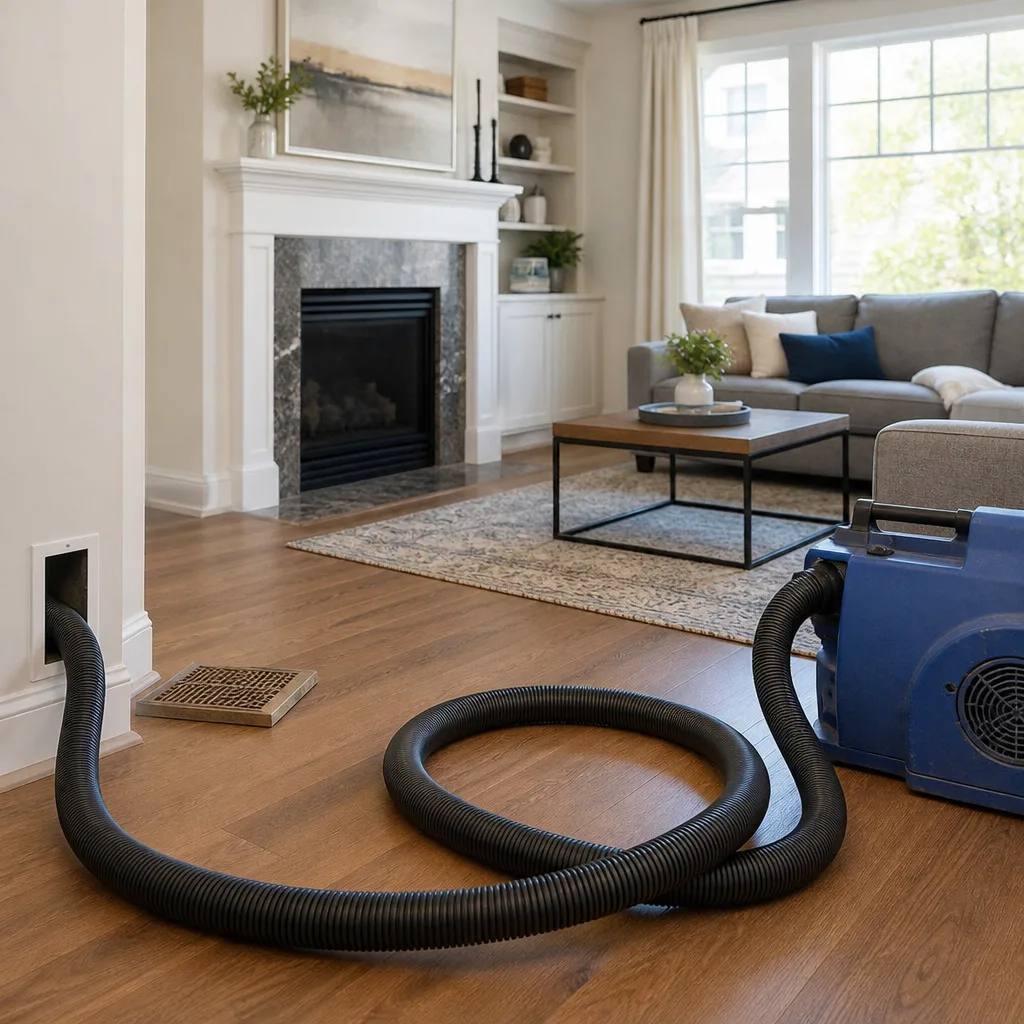 Whole-home duct cleaning
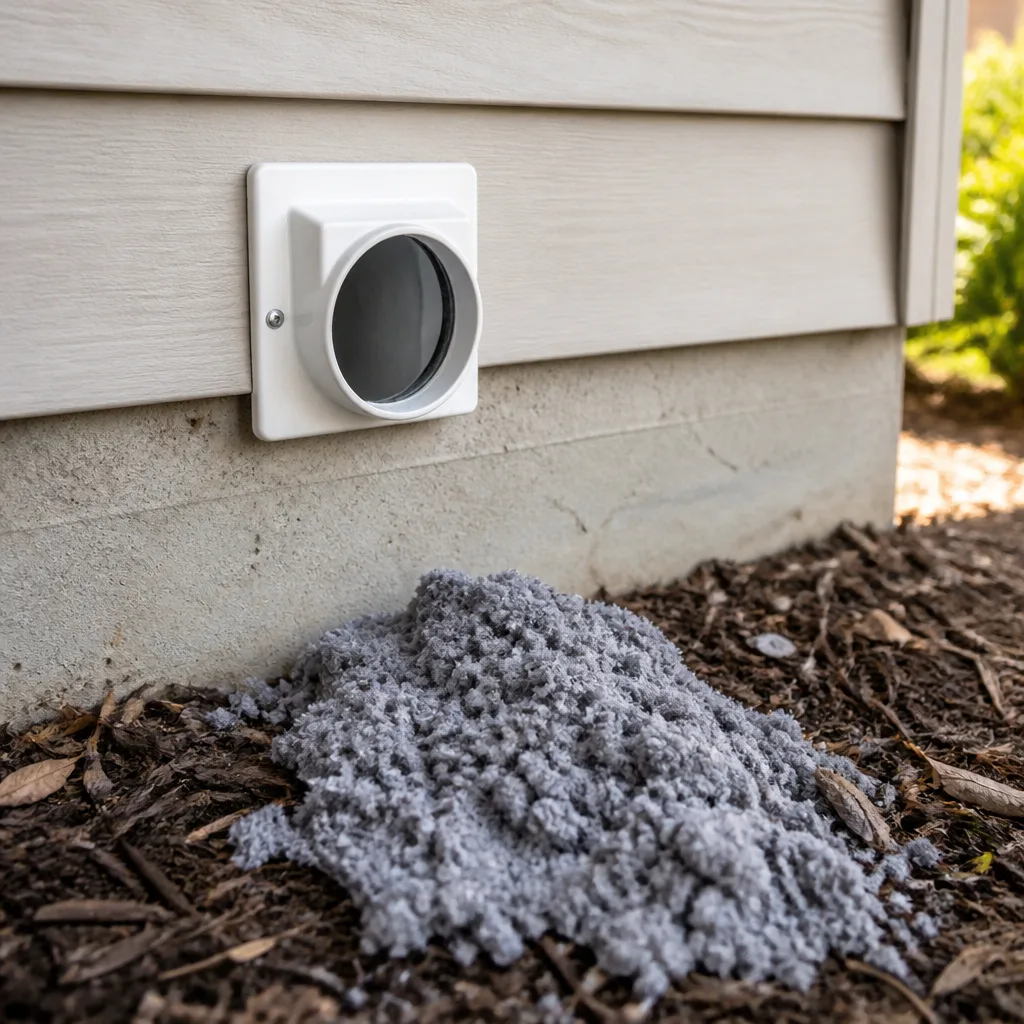 Dryer vent cleaning
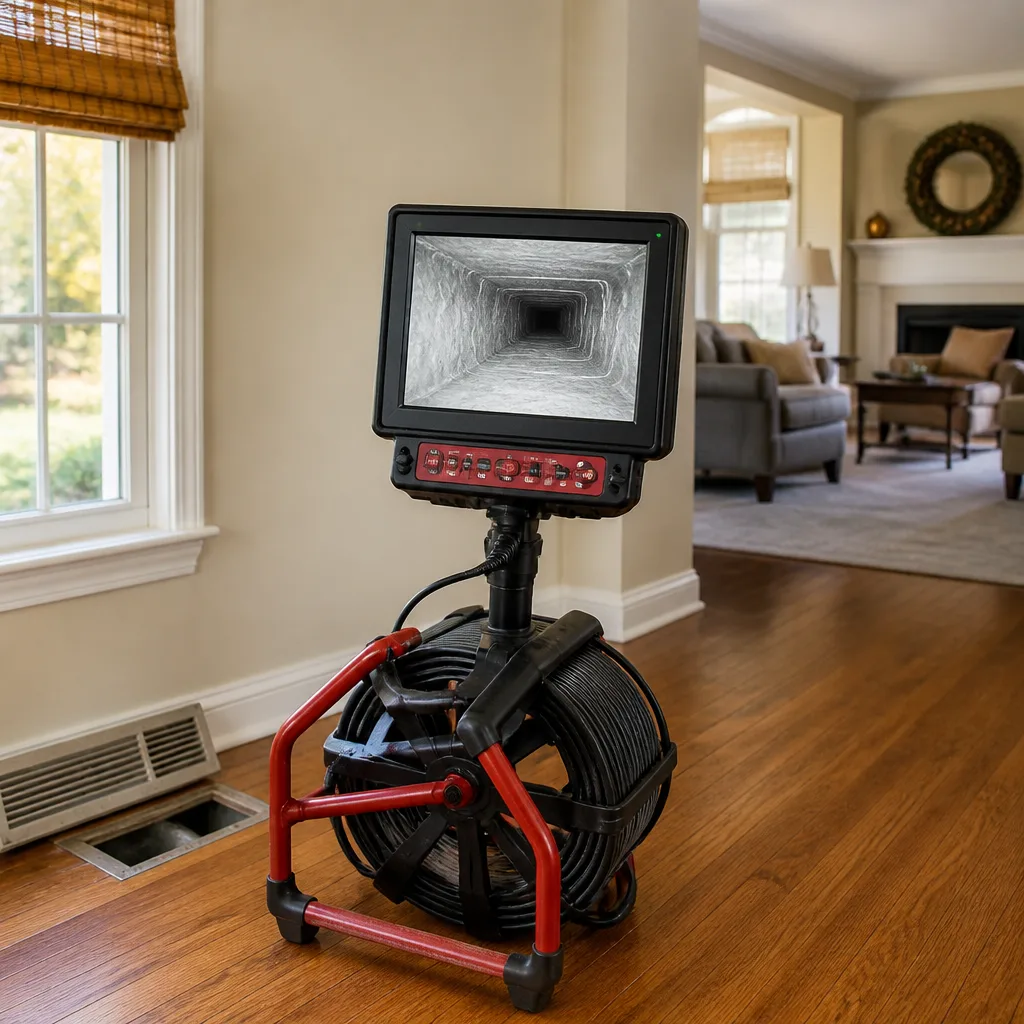 Camera inspection
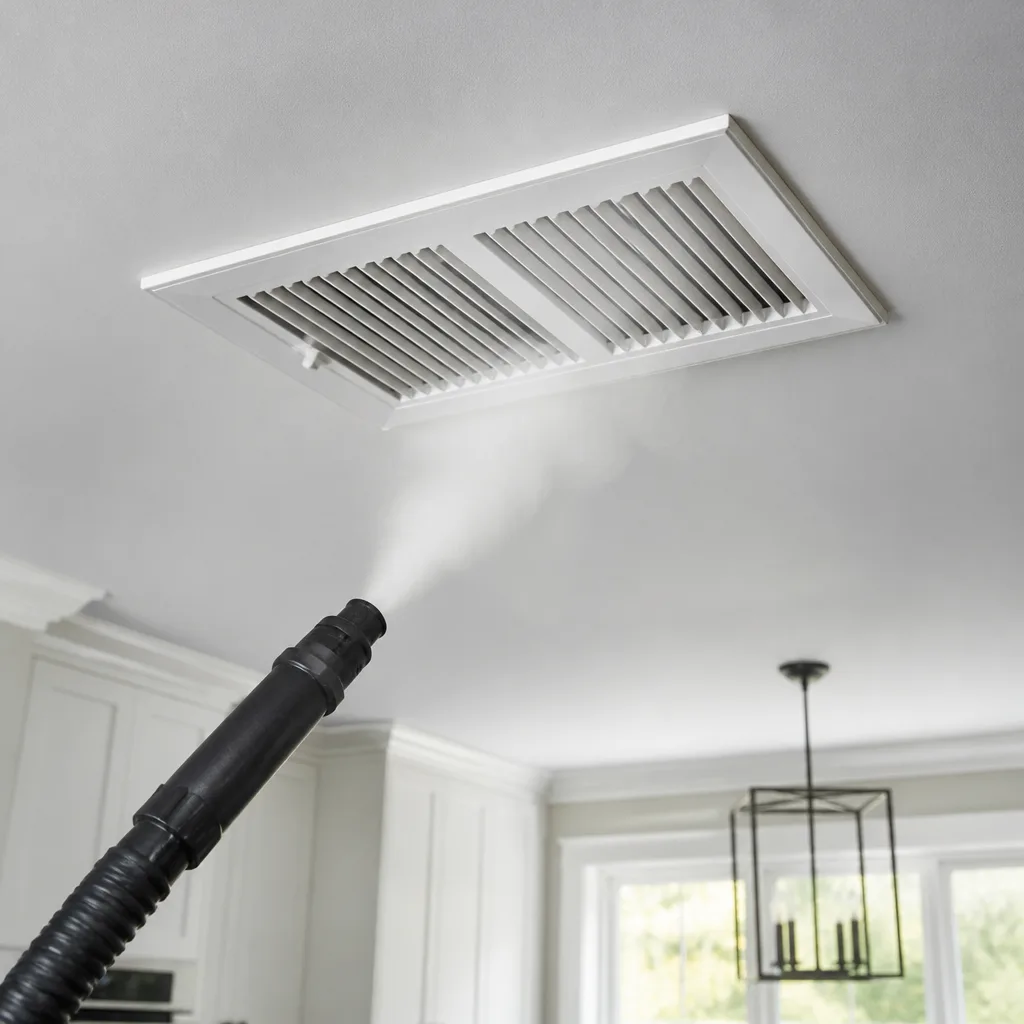 Sanitizing & deodorizing
Whole-system duct and dryer vent check with before-and-after photos - you see exactly what came out of your vents
That "$99 whole-house special" is a bait ad - the real number appears once they are in your hallway, or the "clean" is a shop-vac at the register. We photograph the inside of your ducts before and after instead.
Air Duct Cleaning Emergency Preparedness Guide for Great Kills Homes
The instinct after a flood, fire, or severe storm is to get the power back on and the house back to normal as fast as possible. That instinct is exactly what causes the most damage to ductwork. Flipping the thermostat before anyone has looked inside the ducts pushes whatever got in there – silt, sewage particles, soot, mold spores – through every room within hours. This guide is about the order of operations. We’ll walk through post-flood protocol, what fire and smoke do to duct liner, what a real emergency inspection looks like, how to document duct damage for an insurance claim, and what you can do in Great Kills before the next storm to make everything easier.
Quick Answer
After a flood, fire, or severe storm in Great Kills, do not run your HVAC system until the ductwork has been inspected for moisture, sediment, and contamination. Block the registers manually, keep the system off, and get a professional inspection with moisture readings and camera documentation within the first 48 hours. That window matters because mold can establish inside damp ductwork fast, and the longer contaminated air sits, the more of the house it reaches.
Styles & brands we work with
- Whole-home duct cleaning
- Dryer vent cleaning
- Camera inspection
- Sanitizing & deodorizing
Table of Contents
- Post-Flood Duct Protocol for Great Kills Homes
- What the First 48 Hours Mean for Mold Inside Ductwork
- Fire and Smoke Damage: Why Soot Isn’t Household Dust
- What an Emergency Duct Inspection Actually Involves
- Working With Your Insurance Adjuster on Duct Cleaning Costs
- Pre-Event Preparedness: Documents That Pay Off After a Disaster
- Dryer Vents and Storm Events: A Separate Fire Risk
- Choosing a Duct Cleaning Company After a Disaster
Post-Flood Duct Protocol for Great Kills Homes
The single most important rule after flooding in Great Kills: keep the HVAC system off until the ducts have been inspected. Not on fan-only mode, not on “just to dry things out.” Off. Floodwater in a home carries silt, sediment, and whatever else it picked up along the way, and a duct system is a closed loop designed to move air everywhere. Once that loop is contaminated and the blower runs, every register becomes a distribution point.
Here’s the sequence we recommend when a Great Kills home has taken on water:
- Cut power to the HVAC equipment at the breaker, not just the thermostat. Standing water and energized equipment don’t mix.
- Block the registers manually. Close the supply and return grilles, or tape plastic sheeting over them, so air and debris don’t migrate through the system while people are working in the house.
- Document what you see – water lines on walls, visible sediment in registers, musty odors, the condition of the air handler – with photos and dates.
- Call for a professional inspection before anyone restarts the system, even if the ducts look dry from the outside.
- Keep the system off until the inspection confirms the duct interior is clean, dry, and free of contamination.
Great Kills sits in a low-lying part of Staten Island with a storm history that most of us know too well. Homes here that have been through flooding understand the pattern, but the ductwork is usually the last thing anyone thinks about. The furnace and air handler get checked, the drywall gets cut, the floors get pulled. The ducts get forgotten until the smell starts. That’s the gap this guide is meant to close. If you want the broader picture of what routine service covers, our air duct cleaning page walks through the standard process; this page is about what changes when a storm is involved.
What the First 48 Hours Mean for Mold Inside Ductwork
Mold needs moisture and organic material to grow, and ductwork after a flood provides both. The first 48 hours after water intrusion are the window when the odds of stopping mold establishment are best. After that, the interior of the ducts becomes a much harder environment to clean properly, and in some cases replacement becomes the more sensible path.
Duct liner is the material most people don’t think about. It’s the fibrous acoustic lining inside many duct runs, and it holds moisture like a sponge. Once liner is saturated, surface cleaning does not solve the problem. The options are aggressive drying with documentation that moisture levels have returned to normal, or removal and replacement of the affected sections. A professional inspection should include:
- Moisture readings at the duct walls using a pin or pinless meter, recorded at multiple points in the system.
- Visual camera inspection of duct interiors to identify standing water, sediment, or visible growth.
- A written record of readings, locations, and photos that you can hand to your insurance adjuster.
In our experience, the homes that come out of this well are the ones where someone with the right equipment got eyes on the duct interior inside that first 48-hour window. Waiting a week often means the conversation shifts from cleaning to replacement. That’s an expensive difference, and it’s usually avoidable. If the system turns out to be dry and clean, a standard HVAC cleaning may be all that’s needed to get things back to normal.
Fire and Smoke Damage: Why Soot Isn’t Household Dust
Soot and char particulates bond to duct liner differently than everyday dust, and that difference matters for how the cleaning has to be done. Household dust sits loosely on surfaces. Smoke residue carries oils and acidic compounds that adhere to liner fibers, penetrate the surface, and continue to release odor for months if they’re not removed with the right process.
That’s why standard vacuuming isn’t sufficient after a fire. A shop vac or consumer-grade unit stirs up fine soot and pushes it deeper into the liner while pulling some of it out. What’s needed is HEPA-rated negative-air containment – the kind of setup we use with Abatement Technologies equipment – combined with mechanical agitation that reaches into the liner rather than just skimming the surface.
A few things to know about fire and smoke damage to ducts:
- Odor is a symptom, not the problem. If you can smell smoke weeks after a fire, there’s still residue bonded to surfaces in the system.
- Not all duct types survive a fire equally. Sheet metal can often be cleaned; saturated flex duct and damaged liner usually can’t.
- Sealing matters after cleaning. Small gaps and joints that were harmless before a fire become odor pathways once the system is running again. We seal what we clean for exactly this reason.
- Sanitizing is part of the job. After mechanical cleaning, a Guardsman-grade sanitizing treatment helps address what’s left in the system so the air coming through it is genuinely clean.
If a fire has affected a Great Kills home, the ductwork should be treated as part of the structure that needs professional remediation, not as an appliance to be turned back on once the smoke clears. That single decision changes the outcome for months afterward.
What an Emergency Duct Inspection Actually Involves
An emergency duct inspection is not a walk-through with a flashlight. It’s a documented process with measurable results, and the documentation is the point as much as the findings. Here’s what a proper inspection includes when you call us after a storm or fire.
- Intake and register survey. We check every supply and return for visible sediment, moisture, and odor, and note conditions per location.
- Moisture readings at the duct walls. Recorded at multiple points in the system, not just at the air handler. Readings go into the written report.
- Camera inspection of duct interiors. A duct camera lets us see what’s actually happening inside the runs, not what the grille suggests.
- Containment setup for any cleaning work. Abatement Technologies negative-air containment keeps dust and debris from spreading through the house during the job.
- Mechanical cleaning with professional equipment. Rotobrush and Nikro systems are built for this work; consumer units aren’t.
- Post-cleaning documentation. Before-and-after photos of your own ducts, moisture readings after drying, and a written summary you can give your insurer.
Our technicians have up to 13 years of experience with duct systems in homes like the ones across Great Kills, and the inspection process above is what that experience has taught us to insist on. If you’re looking for the broader service context, our Air Duct Cleaning Great Kills hub covers the full range of what we do. Call (844) 625-7163 for a free estimate. We answer 24/7, and we provide fast dispatch from 7am to 7pm, Sunday through Friday. We’re closed Saturday.
Working With Your Insurance Adjuster on Duct Cleaning Costs
Duct cleaning and duct replacement after a covered event are typically claimable, but the claim succeeds or fails on documentation. Adjusters aren’t duct specialists. They need evidence they can evaluate: moisture readings, photos, and a written explanation of why the work is necessary rather than routine maintenance. A good technician provides all three without being asked.
Here’s what a valid claim package usually looks like:
- Pre-event documentation if you have it – photos, filter records, or a baseline air quality report.
- Post-event moisture readings from multiple points in the duct system, with dates.
- Camera inspection photos showing sediment, water, or contamination inside the ducts.
- A written scope of work explaining what needs cleaning, what needs replacing, and why.
- Before-and-after photos once the work is done, so the claim closes cleanly.
A couple of practical notes. First, call your insurer before the work starts if the event is a covered loss, since most policies expect the adjuster to see the pre-remediation condition. Second, ask the technician to separate cleaning from any upgrades or air quality products on the invoice. Claims for remediation get processed faster when they’re not mixed with elective improvements. If the finding is that the system is dry and intact, the claim may be limited to cleaning, and that’s the honest answer. We’d rather tell you that than pad a claim.
Pre-Event Preparedness: Documents That Pay Off After a Disaster
The best time to prepare your duct documentation is before anything happens. It costs almost nothing and it changes the speed and accuracy of an insurance claim when a storm does hit. Here’s what we recommend every Great Kills homeowner keep on hand.
- Photos of your duct system. Every register, the air handler, the visible duct runs, and the filter location. Date the photos.
- A filter maintenance log. Note the date each filter is changed and the size and type used. A simple notes app entry is enough.
- A baseline air quality record. If you’ve had any air quality work done, keep the report. Aprilaire and Honeywell systems often produce documentation worth having.
- Receipts for prior HVAC work. Any duct sealing, cleaning, or repair you’ve had done. Claim adjusters use this to establish pre-loss condition.
- A contact list – your HVAC technician, your insurance agent, and a duct cleaning company you trust, written down where you can find it if the power’s out.
The Great Kills area has seen enough storms that most households already have a plan for water, power, and evacuation. Adding the duct system to that plan is the piece that’s usually missing. It takes an hour on a quiet afternoon and can save weeks on the back end of a claim. If you want a baseline inspection done now, before anything happens, we’re happy to do that. Call (844) 625-7163. We answer 24/7.
Dryer Vents and Storm Events: A Separate Fire Risk
A dryer vent is part of the duct ecosystem, and storms affect it in ways most people never consider. High wind can force debris into the exterior vent cap, and flooding can introduce moisture and silt into the vent run. Either condition raises lint accumulation and fire risk, and both are invisible from inside the house.
The preparation angle here is straightforward. After any significant storm in Great Kills, look at the exterior dryer vent cap from outside. If it’s blocked, damaged, or sitting flush against the siding with no airflow gap, it needs attention. If you can’t see it or you’re not sure, have it checked as part of a broader duct inspection. Our dryer vent cleaning service covers the vent run from the dryer to the exterior, and it’s a natural addition to any post-storm inspection.
This is one of those things that gets skipped because it isn’t on the list of obvious storm damage. It’s also one of the few duct issues with a genuine fire consequence. Worth ten minutes of your attention after the next big weather event.
Choosing a Duct Cleaning Company After a Disaster
Disaster response attracts a certain kind of opportunist. After a major storm, unfamiliar vans appear in neighborhoods, and door hangers promise discounted duct cleaning to anyone who signs up on the spot. A few things separate a real inspection-and-remediation job from a quick pass with a shop vac.
Ask these questions before anyone touches your ducts:
- What equipment do you use? Rotobrush and Nikro are the names you want to hear. Consumer vacuums don’t belong in a post-flood job.
- How do you contain the work? Negative-air containment should be standard. If the answer is vague, keep shopping.
- Will I get moisture readings and photos? If documentation isn’t part of the job, the job is incomplete.
- What’s the price, and is it per system or per vent? A flat price per system agreed before work starts is the answer you’re looking for.
- Who does the work? If the company subcontracts, you’re dealing with a middleman.
We do all five of those in-house. One flat price per system agreed before work starts, before-and-after photos of your own ducts, and a single company accountable from intake to vent. That’s what post-disaster duct work should look like anywhere, and it’s what we’ve built our service around in Great Kills.
Common Mistakes to Avoid
- Running the HVAC before the ducts are inspected. This is the mistake that turns a cleanup into a whole-home contamination event. Keep the system off until someone qualified has looked inside.
- Assuming a dry-looking register means dry ducts. Water and sediment hide in the runs, not at the grille. Only a moisture reading and camera inspection tell you what’s actually going on.
- Using a shop vac to “clean up” after a fire. Fine soot gets pushed deeper into the liner and dispersed into the air. Negative-air containment and HEPA equipment exist for exactly this reason.
- Skipping documentation for insurance. Photos, moisture readings, and a written scope are the claim. Without them, the adjuster has nothing to evaluate.
- Hiring the first door-knocker after a storm. Ask about equipment, containment, and who does the work. A legitimate operation answers those questions without hesitation.
- Forgetting the dryer vent. Storm debris and moisture in the vent run are a fire risk most homeowners never check for. Look at the exterior cap after every significant weather event in Great Kills.
- Sanitizing without cleaning first. A sanitizer applied over sediment and soot doesn’t reach what matters. Mechanical cleaning comes first; sanitizing follows. We apply Guardsman-grade treatments as the second step, not the first.
See the difference
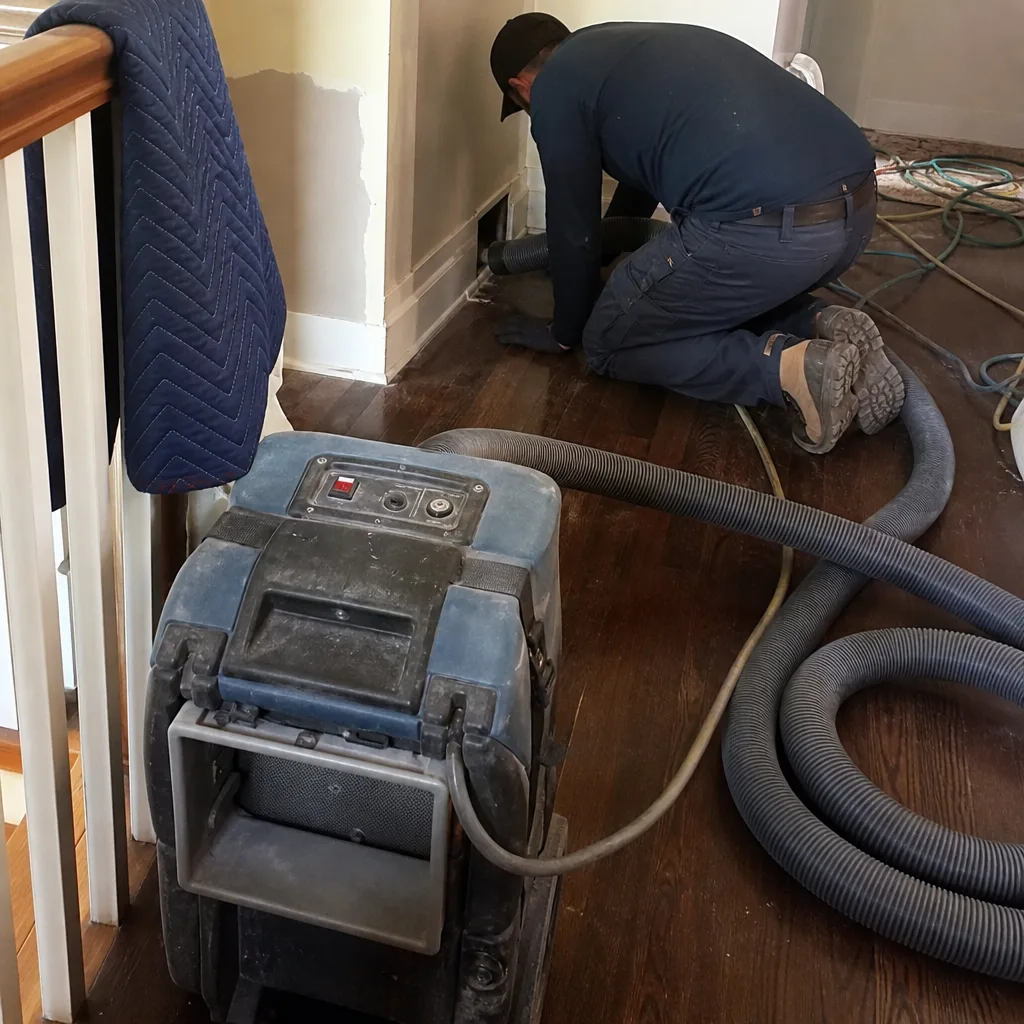 Before
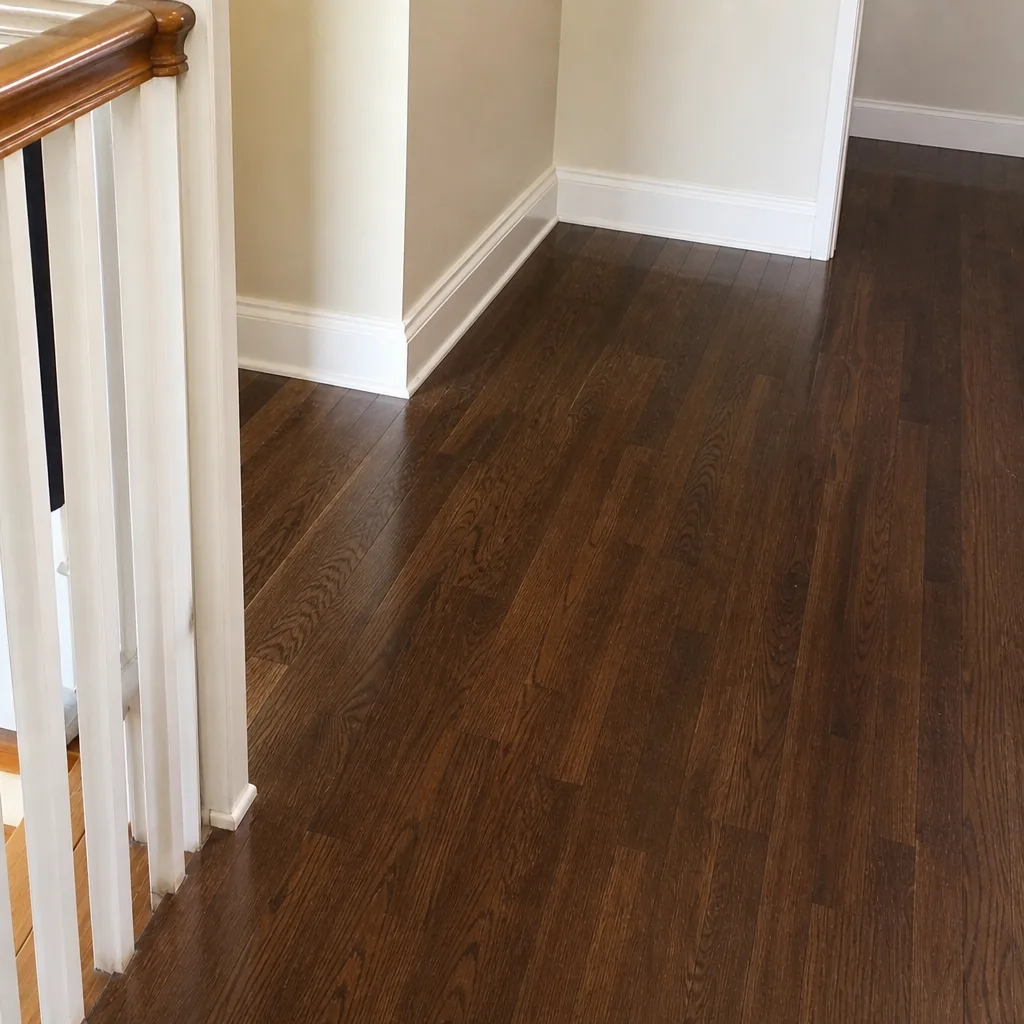 After
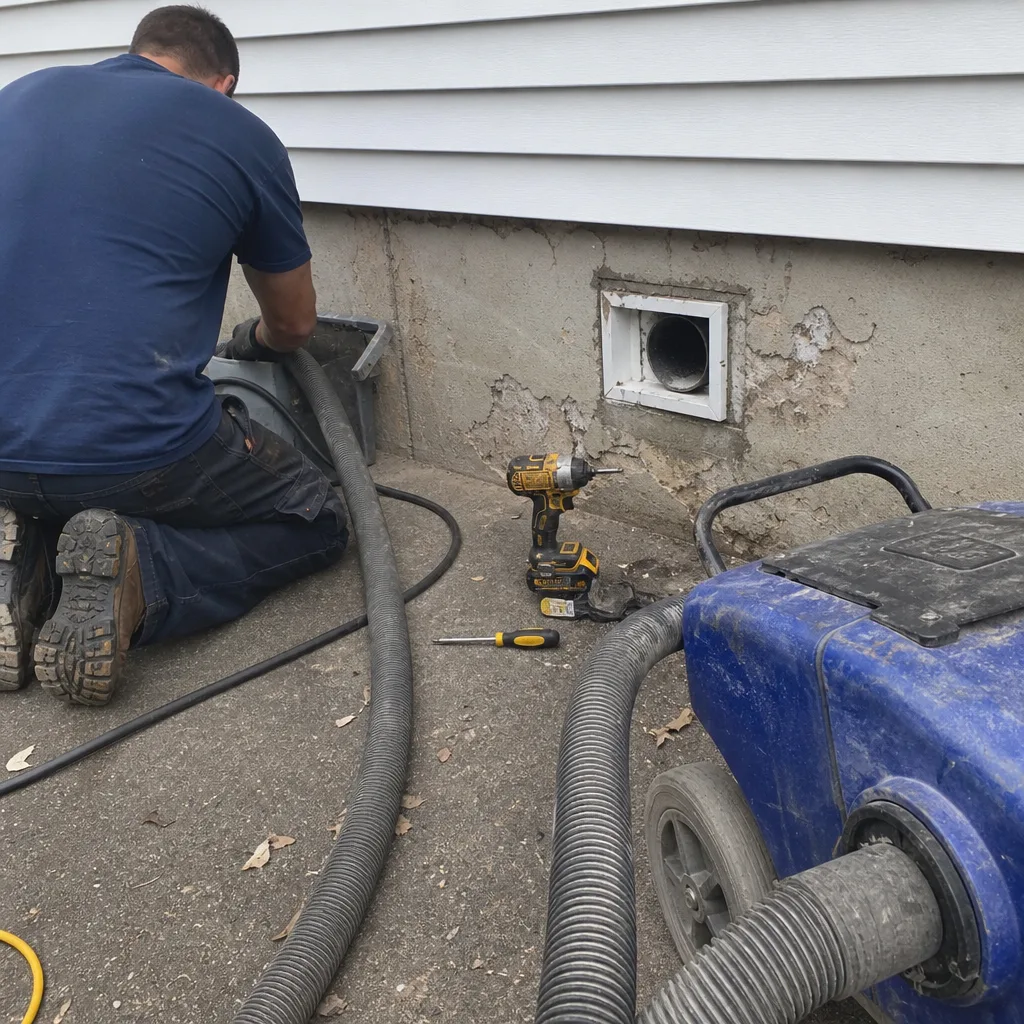 Before
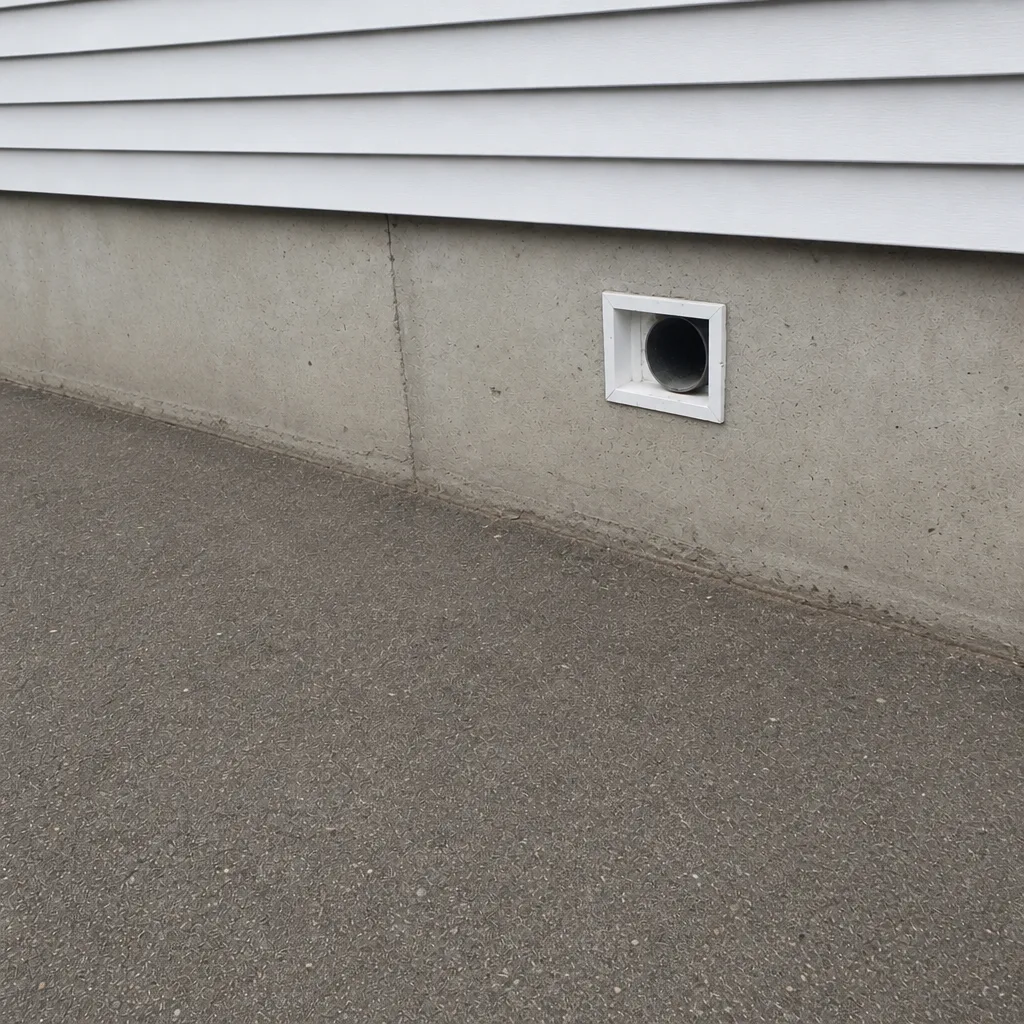 After
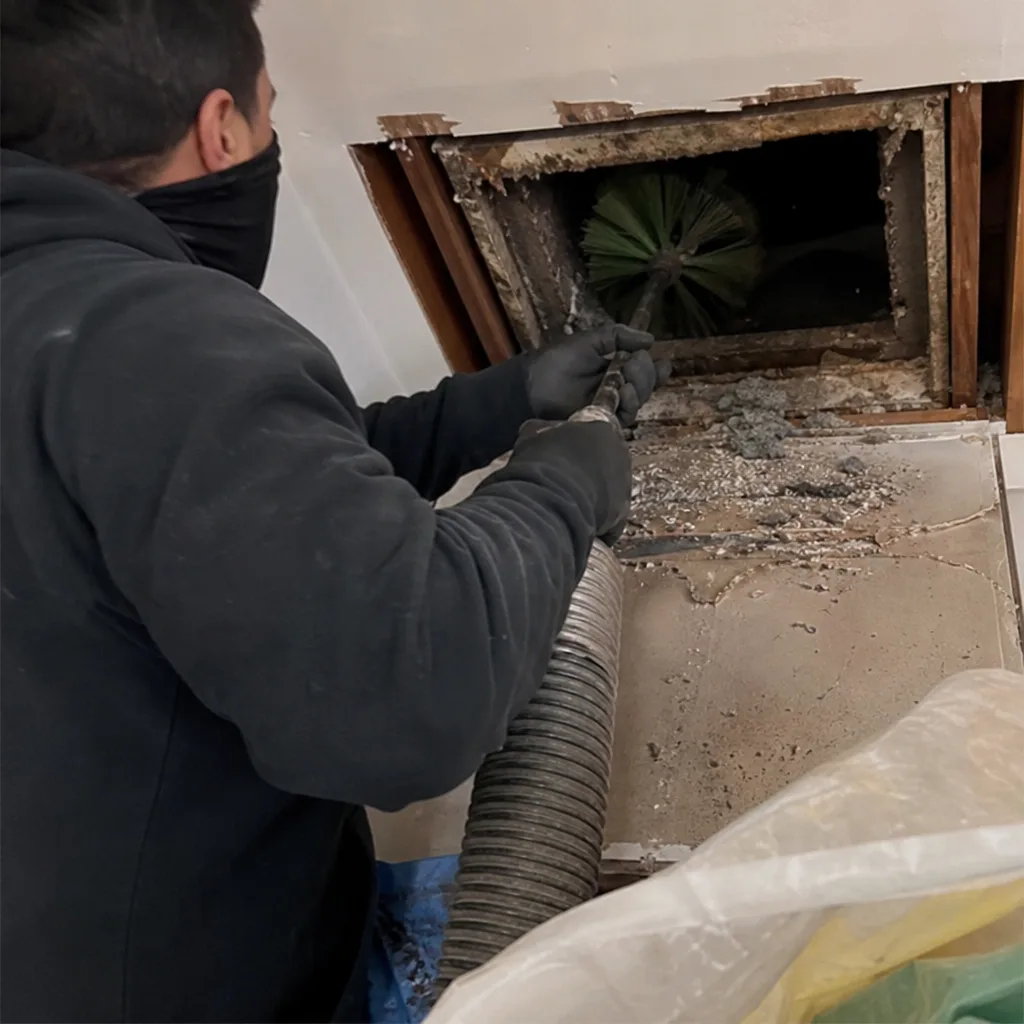 Before
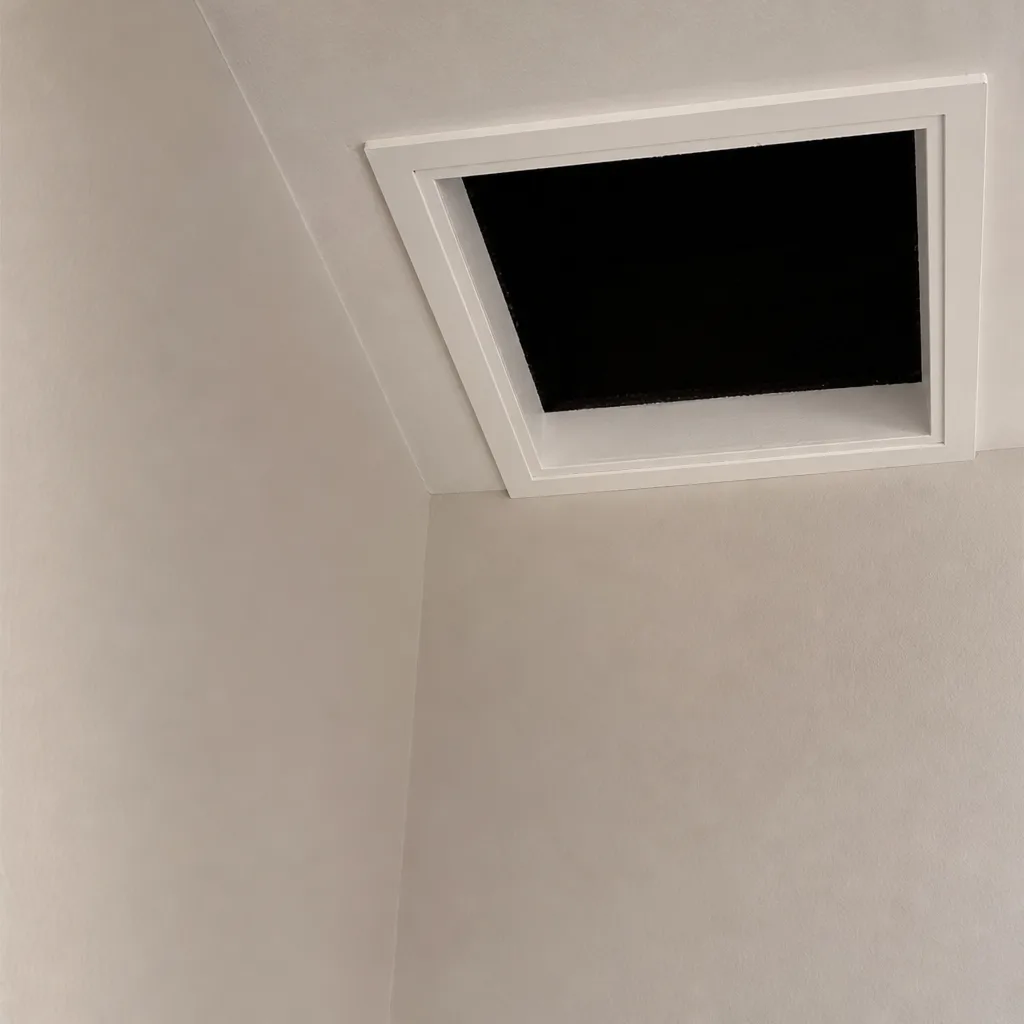 After
When to Call a Professional
Call a professional after any of the following: flooding that reached the air handler, the ductwork, or any part of the HVAC system; a fire in the home or an adjacent unit; a storm that forced debris into vents or registers; or any time you notice musty odors from your registers with no clear cause. Also call if it’s been years since the ducts were last inspected and you’ve never had a baseline done. Air Duct Cleaning Great Kills offers free estimates in Great Kills. Call (844) 625-7163. We answer 24/7, and fast dispatch runs from 7am to 7pm, Sunday through Friday.
Frequently Asked Questions
No. Keep the system off until a professional has inspected the duct interior with moisture readings and a camera. Surface dryness tells you nothing about what’s inside the runs, and starting the blower distributes any contamination throughout the house. Call (844) 625-7163 for an exact quote on inspection – estimates are free.
Mold can establish inside damp ductwork within the first 48 hours of water intrusion, which is why the inspection window matters so much. The faster the ducts are inspected and dried, the better the odds mold never gets a foothold. If you’ve had water in the house and haven’t had the ducts checked, that’s a call worth making today. Call (844) 625-7163 – estimates are free.
Not always. Soot carries oils and acidic compounds that bond to duct liner differently than household dust, and it takes HEPA-rated negative-air equipment plus mechanical agitation to remove it properly. If you can still smell smoke weeks after a fire, there’s residue still in the system. Call (844) 625-7163 for an exact quote – estimates are free.
It depends on your policy and the nature of the event, but duct cleaning and duct replacement after a covered loss are commonly claimable when the right documentation is provided. Moisture readings, camera photos, and a written scope of work give your adjuster what they need. Call (844) 625-7163 to schedule an inspection with documentation – estimates are free.
You should get before-and-after photos of your own ducts, not stock images, plus a written summary of what was found and what was cleaned. A legitimate crew documents the work as a matter of course. If a company won’t show you what they did, that’s your answer. Call (844) 625-7163 for an exact quote – estimates are free.
Low quotes usually come from crews with consumer-grade vacuums and no containment setup, or from businesses that advertise a teaser price and then add charges once they’re on site. A flat price per system agreed before work starts – with professional equipment and documentation included – is what an honest job looks like. Call (844) 625-7163 for an exact quote – estimates are free.
The Bottom Line
After a flood, fire, or severe storm in Great Kills, the duct system is the part of the house that most often gets overlooked and the part that can do the most damage if it’s mishandled. Keep the HVAC off until an inspection is done. Get moisture readings, camera photos, and a written scope. Hand that documentation to your insurer. And do what you can beforehand – photos, filter logs, a baseline inspection – so the next storm starts with you ahead of the problem rather than behind it. The process is straightforward when you know the order of operations, and we’d rather walk you through it than have you find out the hard way.
Air Duct Cleaning Great Kills
Call (844) 625-7163 for a free estimate. We answer 24/7. Fast dispatch from 7am to 7pm, Sunday through Friday.
Written by the team at Air Duct Cleaning Great Kills.