
Last updated November 25, 2026
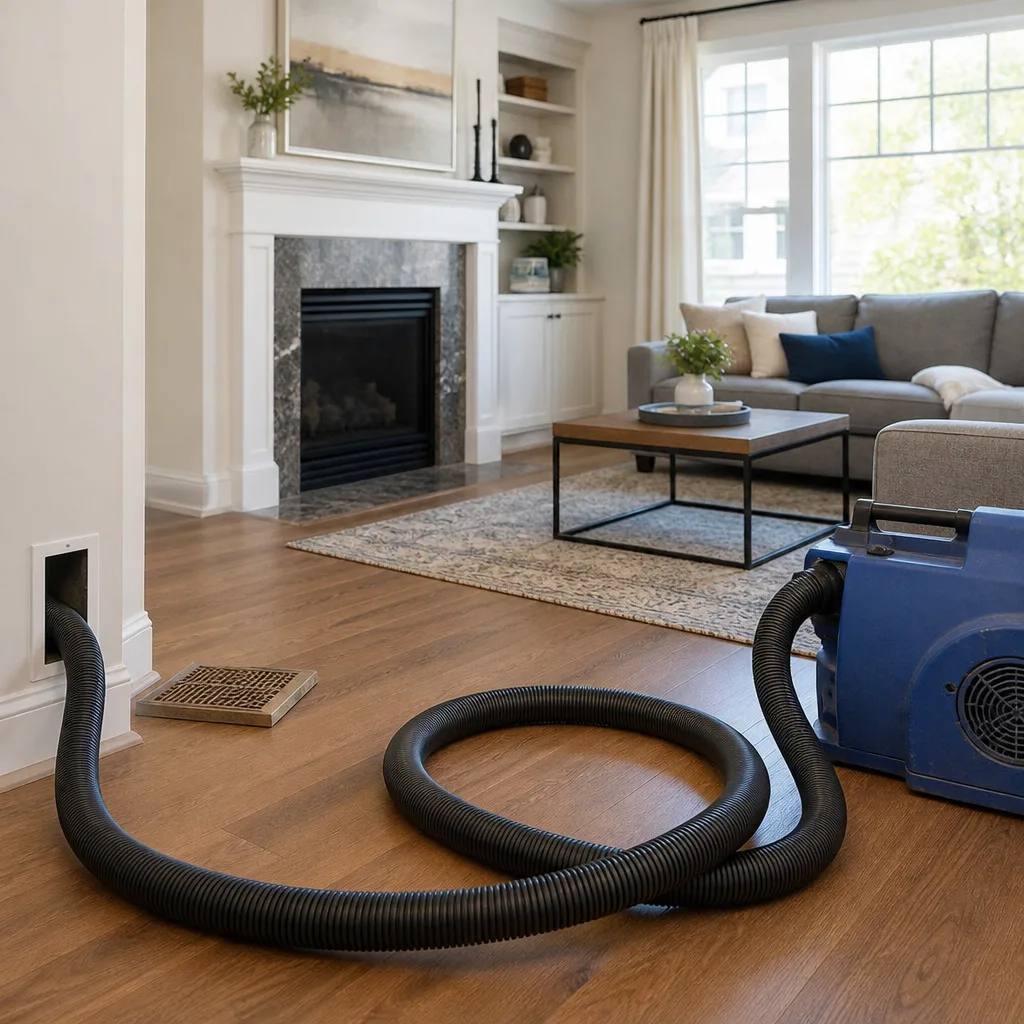 Whole-home duct cleaning
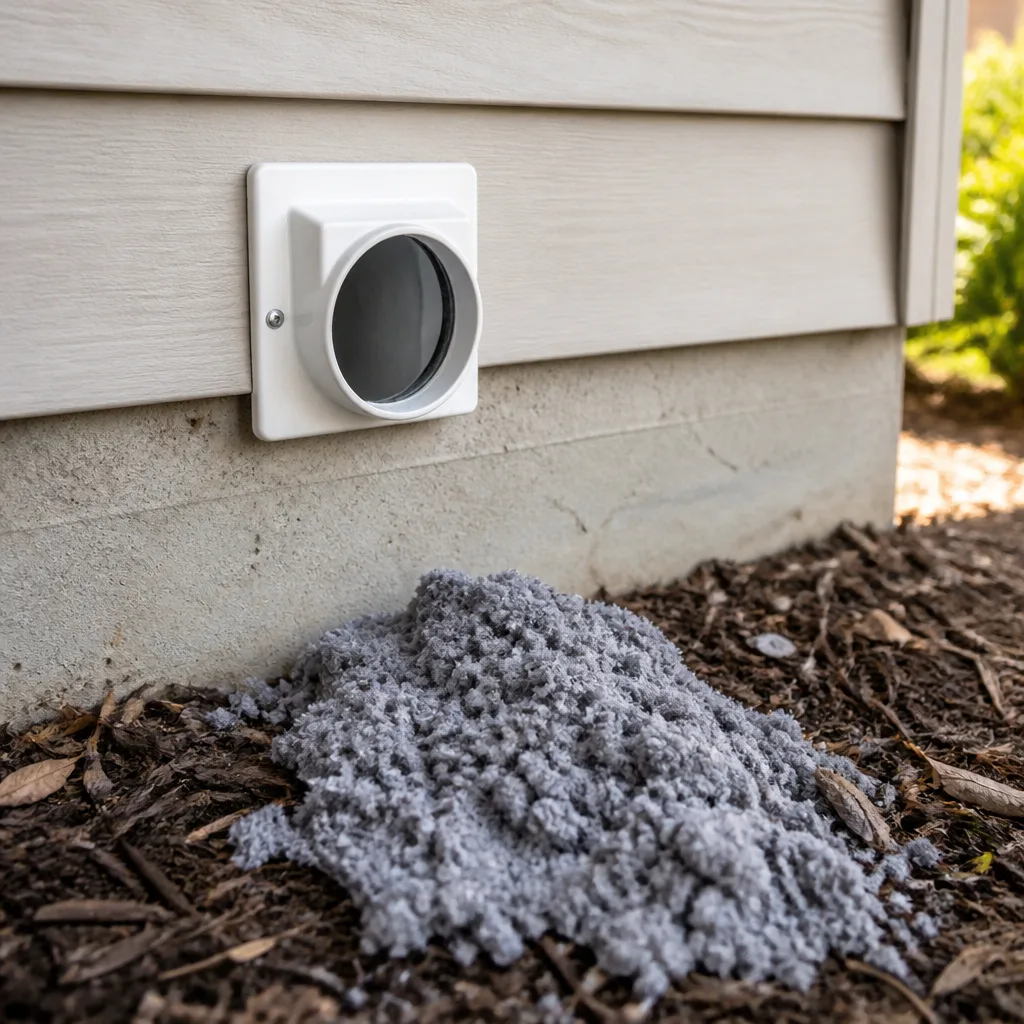 Dryer vent cleaning
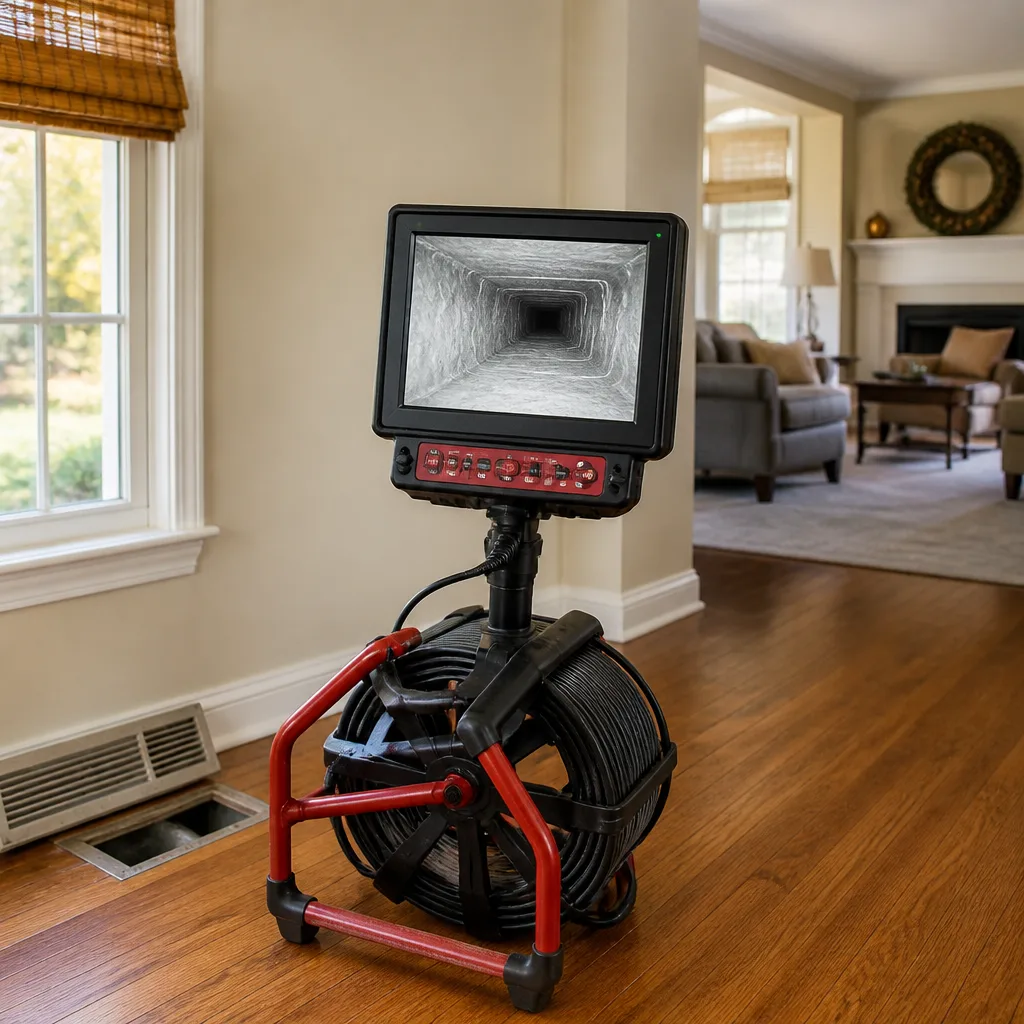 Camera inspection
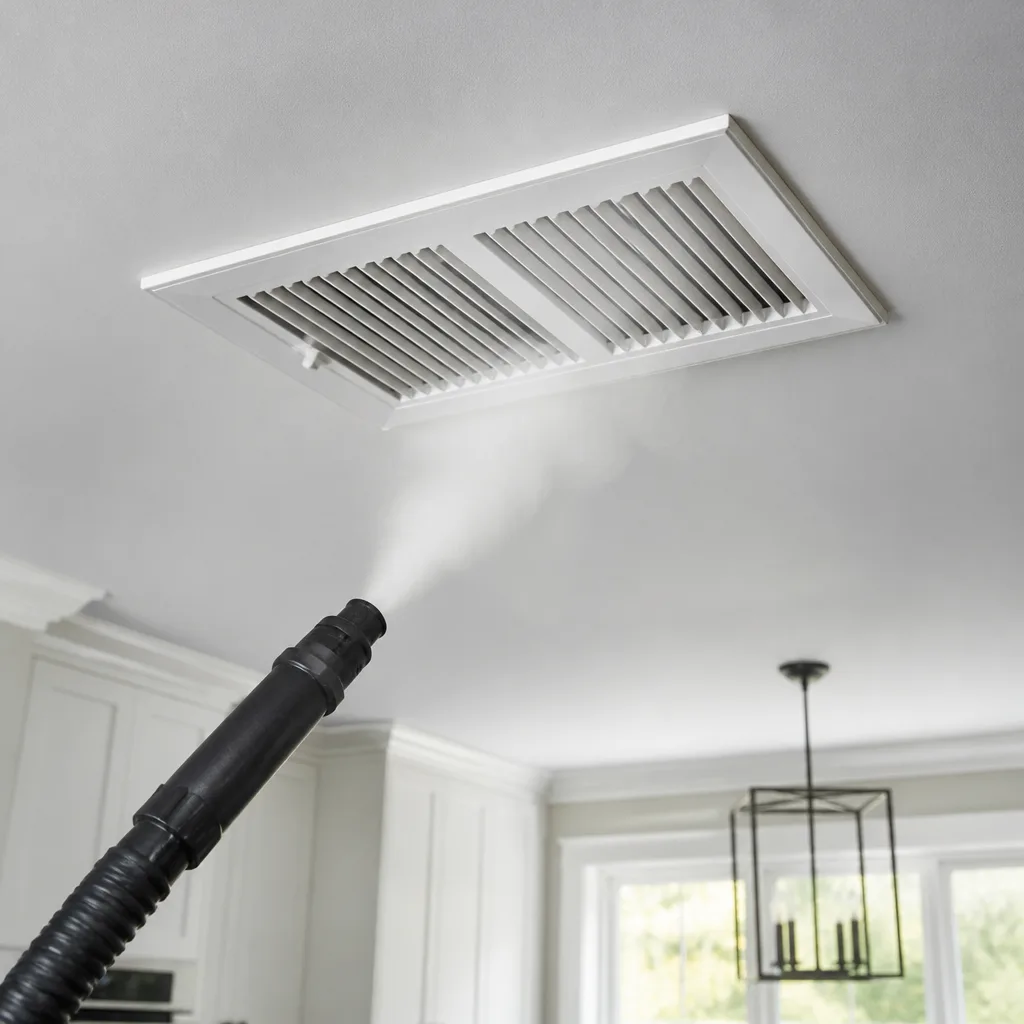 Sanitizing & deodorizing
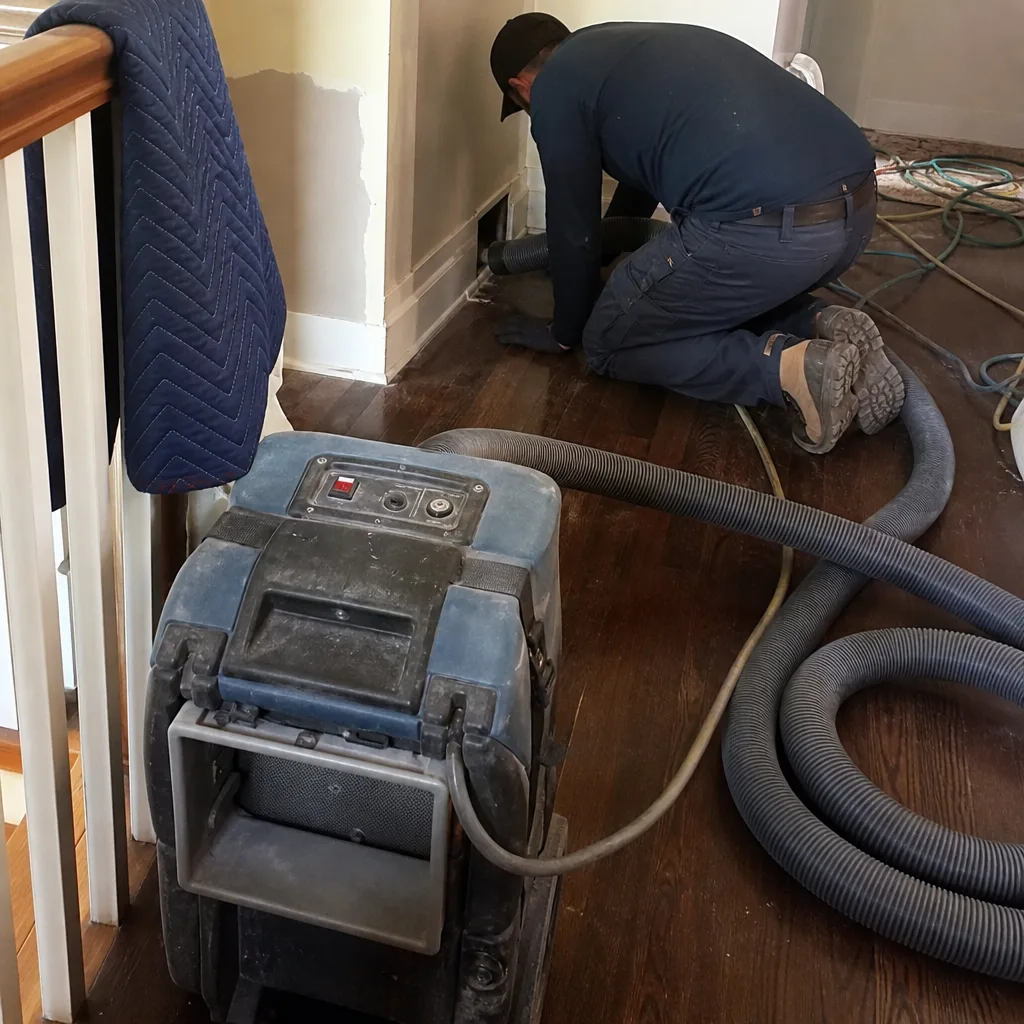
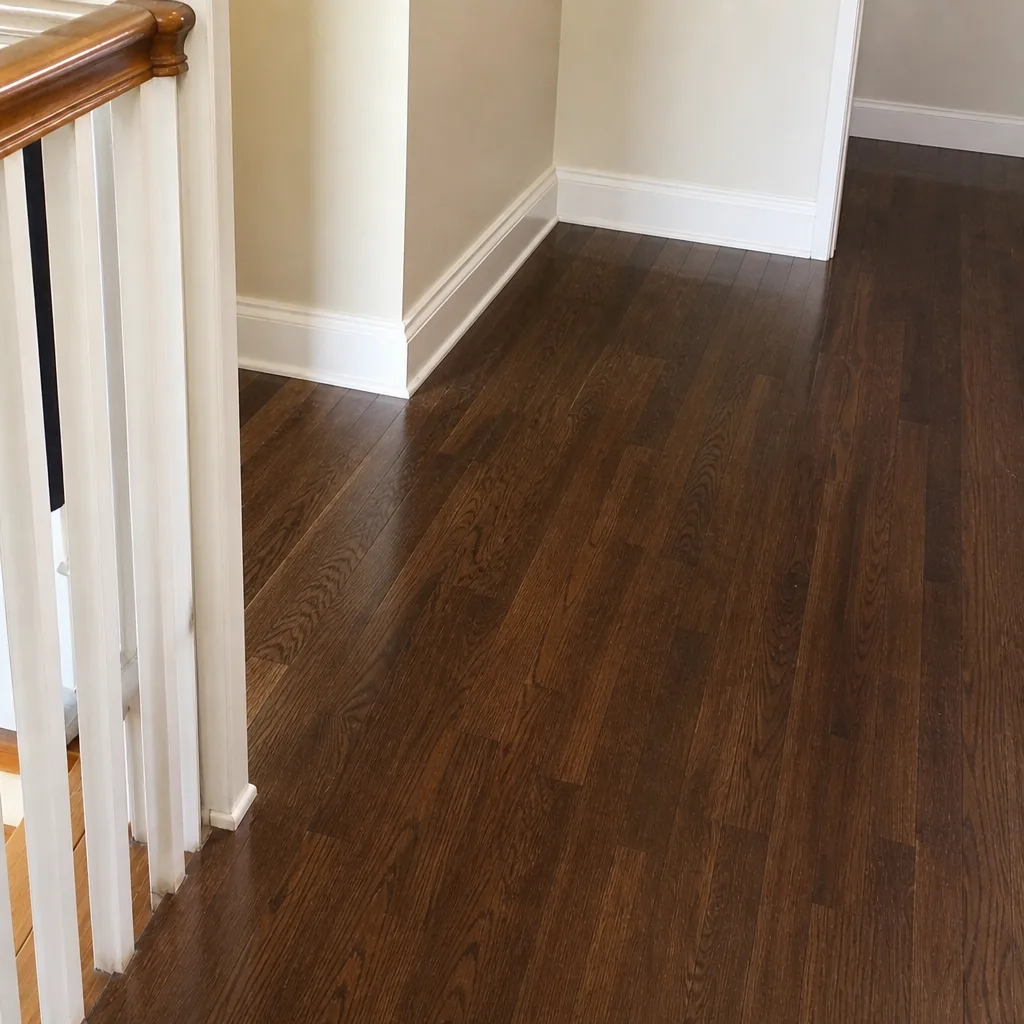
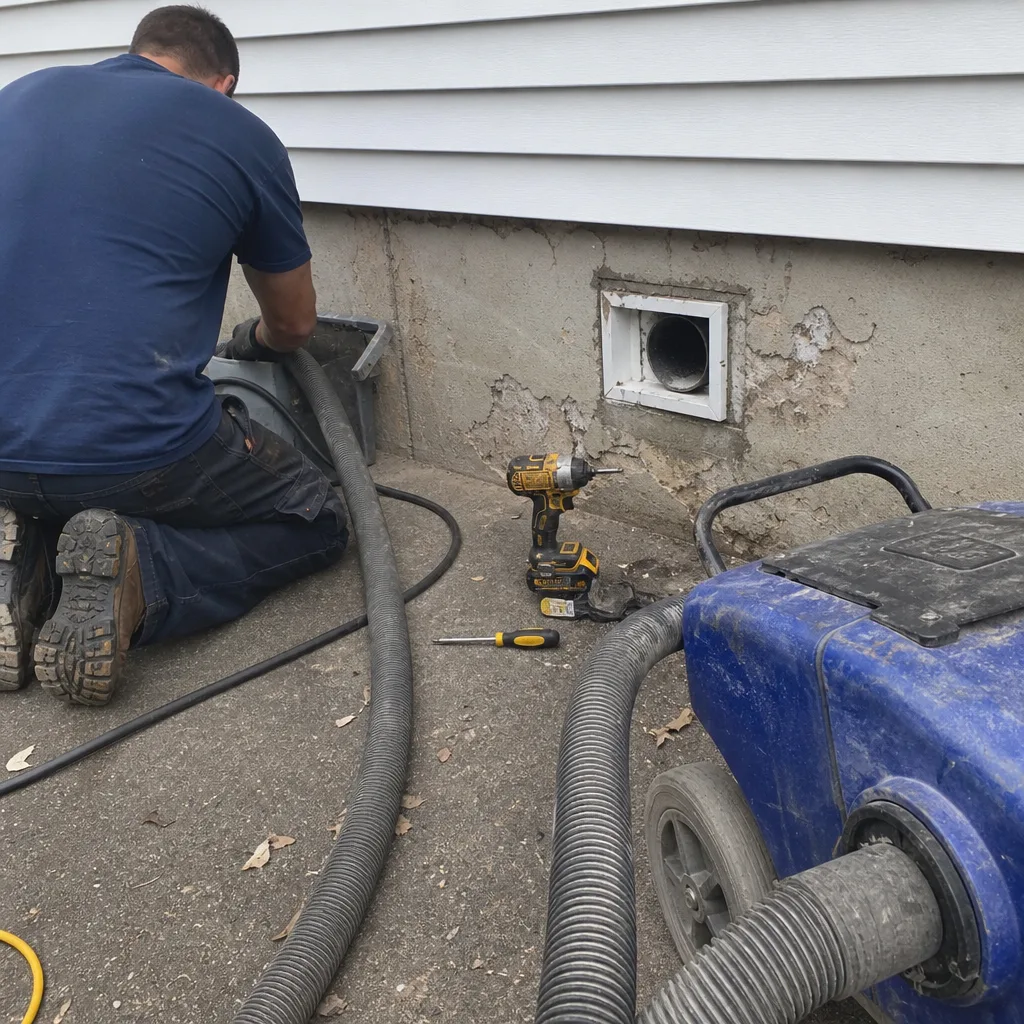
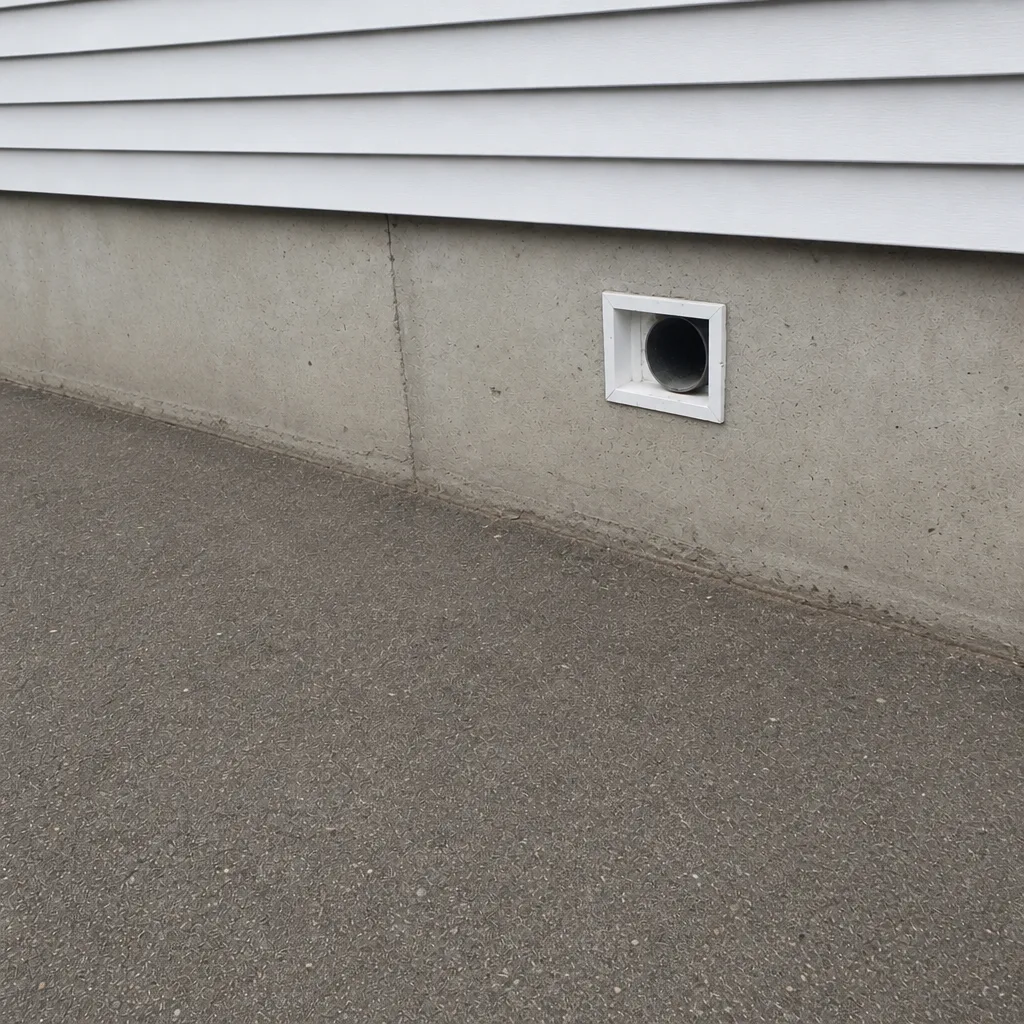
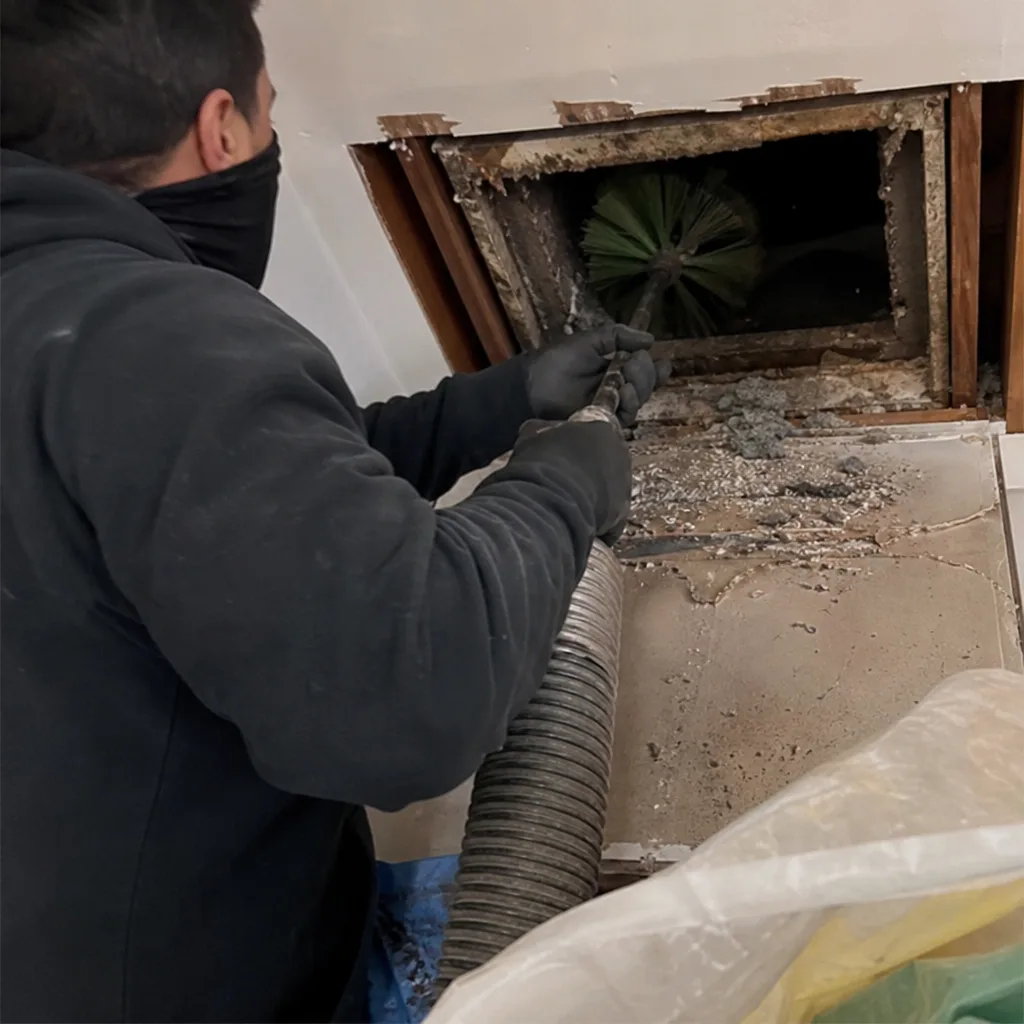
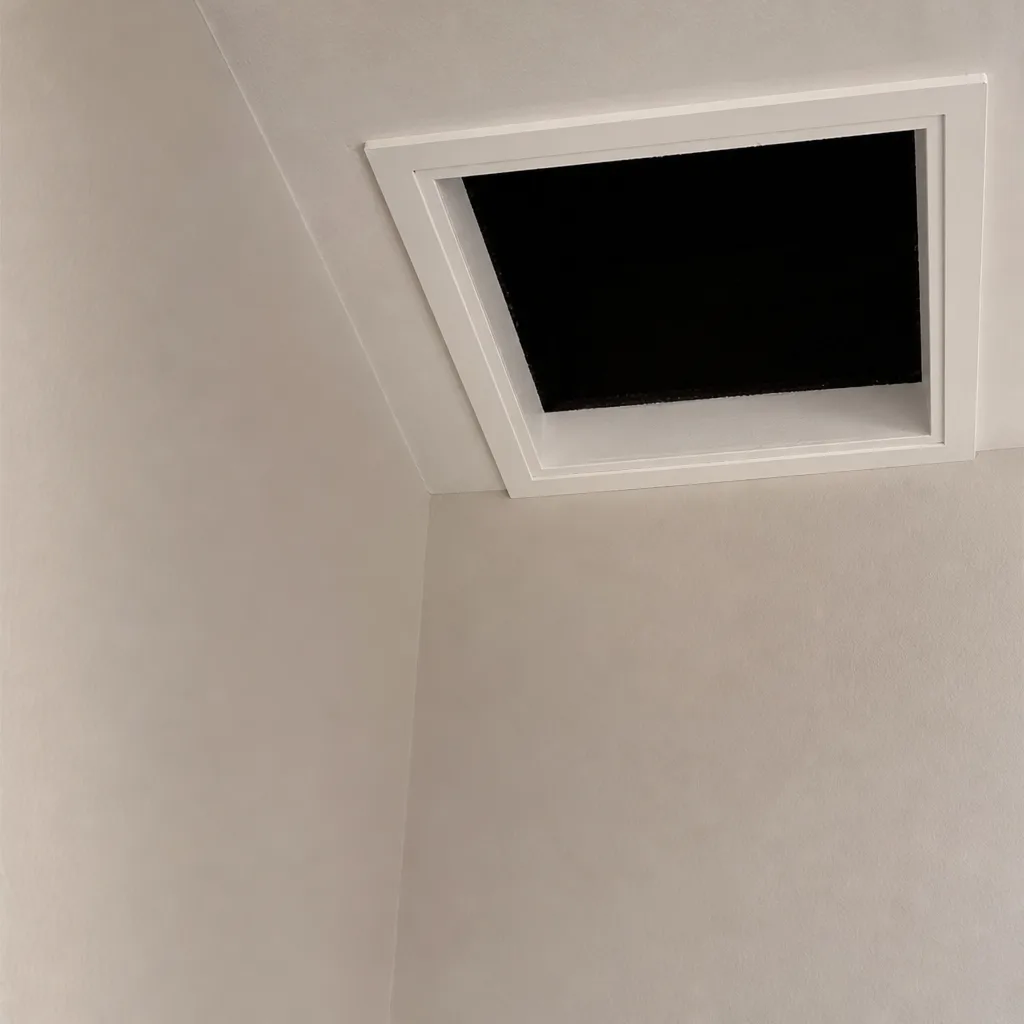
Whole-system duct and dryer vent check with before-and-after photos - you see exactly what came out of your vents
That "$99 whole-house special" is a bait ad - the real number appears once they are in your hallway, or the "clean" is a shop-vac at the register. We photograph the inside of your ducts before and after instead.
DIY vs Professional Air Duct Cleaning: The Great Kills Homeowner’s Decision Guide
Here’s the part most people get wrong: air duct cleaning isn’t mainly about effort or budget. It’s about physics. A shop vac and a six-foot dryer vent brush cannot create negative pressure inside a duct run, so instead of removing debris, they push a good share of it deeper into the system and pull the rest into the room you’re standing in. That’s often worse than leaving the ducts alone. You could spend a whole afternoon on it and end up with a dirtier house. In this guide we’ll walk through what consumer tools can and can’t do, what you can legitimately handle yourself in a Great Kills home, and the specific triggers that make professional-grade equipment the only realistic option.
Quick Answer
For most Great Kills homes with central air, professional cleaning is the right call. A standard shop vac moves a fraction of the airflow and creates none of the negative-pressure containment that a Nikro or Rotobrush system does, which means it stirs up debris rather than removing it. DIY is genuinely useful for register cleaning, filter upgrades, and basic dryer vent lint removal, but it should stop there.
Styles & brands we work with
- Whole-home duct cleaning
- Dryer vent cleaning
- Camera inspection
- Sanitizing & deodorizing
Table of Contents
- Why the DIY vs Professional Question Is Really About Airflow Physics
- Your Shop Vac vs a Professional Duct Cleaning System
- What Great Kills Homeowners Can Safely Do Themselves
- When DIY Cleanup Makes Things Worse
- The Hidden Cost of a DIY Mistake
- How to Decide: Triggers That Point to Professional Cleaning
- How to Evaluate a Duct Cleaning Company in Great Kills
- Common Mistakes to Avoid
- When to Call a Professional
- Frequently Asked Questions
Why the DIY vs Professional Question Is Really About Airflow Physics
Picture what happens inside a duct when you brush it from a register. The brush loosens dust from the duct wall. That dust has to go somewhere. In a professional setup, a high-volume vacuum is connected to the main trunk line while a negative-pressure machine (we use Abatement Technologies containment on our jobs) holds the whole system under suction. Debris gets pulled toward the collection point, not toward your living room. In a DIY setup, the brush loosens the same dust and there’s nothing holding it in place except the register cover you just took off.
The same logic applies to the amount of air moving through the system. A typical home shop vac pulls a small fraction of the cubic feet per minute (CFM) that a truck-mounted or portable professional unit does. But CFM alone isn’t the whole story. What matters is what’s called negative pressure integrity: the whole duct run held under consistent suction, with every register and access point sealed except the one you’re working from. Without that, a shop vac just pulls air in from the nearest open register instead of from the far end of the trunk.
Great Kills homes tend to have a specific pattern that makes this worse. The neighborhood’s mix of mid-century ranches and split-levels means long trunk runs through unconditioned attic space and short branch runs to floor registers. When those trunk runs are disrupted by DIY work, the dust you can’t see doesn’t just sit in the duct. It travels through the system, past the coil, and out through the supply registers every time the system runs. In our experience that’s why some homeowners say their ducts got “worse” after a DIY attempt. The debris didn’t get worse. It got re-distributed.
None of this is meant to sound dramatic. If you’ve already run a shop vac into a register, your house has not been ruined. But it’s worth understanding why a professional system is a different category of work, not just a bigger version of the same tool.
Your Shop Vac vs a Professional Duct Cleaning System
The single clearest way to answer the DIY vs professional question is to look at what the tools actually do. Here’s the honest comparison, without the sales framing.
- Airflow and suction: A consumer shop vac is built to pick up sawdust and spilled water from a garage floor. A Nikro or Rotobrush professional system is built to pull conditioned-space air through duct runs that may be eighty or a hundred feet long, at consistent volume, for a multi-hour job. That’s a different class of machine.
- Containment: Professional crews use HEPA-grade vacuum units and negative-air containment so the air leaving the work area is filtered, not just blowing into the yard. Consumer vacuums have basic filters and no containment strategy at all.
- Agitation tools: Inside a duct, dust bonds to the liner. Removing it requires air whips, rotary brushes with controlled stiffness, and forward/reverse compressed-air tools. A shop vac wand does none of this; a dryer vent brush is the wrong shape and the wrong stiffness for anything but smooth metal dryer duct.
- Reach: Brushes and wands have a fixed length. Professional systems use flexible rotary lines and camera or visual inspection for the reaches a homeowner physically cannot get to.
- Post-cleaning step: Professional cleaning closes with sanitizing and, where needed, duct repair and sealing. A shop vac leaves debris redistributed inside a sealed system with no follow-through.
None of this is a knock on a shop vac. It’s the right tool for what it was designed to do. It just wasn’t designed for duct interiors, and no amount of patience changes the physics of it.
What Great Kills Homeowners Can Safely Do Themselves
There’s a real list of duct-adjacent tasks that belong in the DIY column, and Great Kills homeowners should feel confident doing them. Skipping professional cleaning doesn’t mean skipping maintenance.
- Register and return-grille cleaning. Take off the covers, wash them in a sink or with a garden hose, dry them fully, and put them back. Clean registers are the easiest single improvement to indoor air quality and cost nothing.
- Filter upgrades. The filter at the air handler is doing more work than most people realize. Replace it at the interval the filter manufacturer specifies for your filter’s MERV rating, not just “when it looks dirty.” A well-chosen filter paired with a properly sized return is one of the biggest air quality wins available to a homeowner.
- Accessible flex duct visual inspection. If you can see a length of flex duct in an attic or basement, look for kinks, tears, disconnected collars, or sagging runs. Photograph what you find and note where it is. That visual record is genuinely useful to a professional when you eventually call.
- Dryer vent lint removal at the exterior flap. Pull the lint catcher, clean around the flap, and make sure the flap opens freely when the dryer runs. This is a fire-safety habit worth doing a few times a year.
- Keeping the return grilles clear. Furniture, rugs and storage boxes pushed against return grilles choke airflow and make the system work harder than it should.
Notice what’s not on that list: inserting brushes or wands into the ductwork, spraying anything into the ducts, or trying to “vacuum out” an entire system with a shop vac. Those are where DIY goes wrong, and the next section explains why.
When DIY Cleanup Makes Things Worse
For some homes, DIY duct work isn’t just ineffective. It’s actively counterproductive. Three specific situations stand out in Great Kills homes we see regularly.
1. Fiberglass-lined ducts
Many homes built in the middle decades of the twentieth century used internally lined fiberglass duct board or lined flex. The liner is there to control noise and condensation. A stiff brush or an aggressive shop vac wand will tear the liner’s surface. Once the liner is damaged, that section becomes a permanently rough surface that traps more dust than it did before, and it can’t be cleaned back to smooth. Professional rotary tools use controlled stiffness for exactly this reason, and an experienced technician knows which sections need the gentler approach.
2. Systems with mold growth
If you see visible growth on the coil or smell a musty odor when the system starts, the problem is not dust. It’s biological, and cleaning it with a consumer tool spreads spores through the system rather than addressing them. Proper remediation on a mold-affected duct system involves EPA-registered biocide application after mechanical cleaning, which is not a consumer product endorsement. It’s a controlled process, done after the ducts are visibly clean, not instead of cleaning them.
3. Post-renovation debris
Drywall dust, sawdust, and construction debris are heavy and fine. They clog filters fast and can settle into the coil. Anything short of a HEPA containment setup during post-renovation cleaning just pushes the dust into the living space. That’s the reason contractors who do major work schedule duct cleaning as a follow-up step rather than trying to clean as they go.
If your home is one of these three cases, DIY isn’t just less effective. It’s a route to a repair bill you didn’t need.
The Hidden Cost of a DIY Mistake
The most common DIY failure isn’t a ruined house. It’s a subtle one: a duct connection that gets nudged loose when someone works a shop vac wand through a flex run. The joint looks fine from the outside. It might not even be visible if it’s at a flex-to-collar connection in the attic. But a loose joint in a supply or return run means the system is leaking conditioned air into the attic or basement every time it runs. You pay to heat or cool air that never reaches a register.
The next most common is liner damage. A rough spot in a fiberglass-lined duct traps dust faster than the original liner did, and because airflow through that section becomes turbulent, it also sets up a low-humidity trap for condensation in summer. The result is more visible dust at the registers two or three months after the “cleaning.” Repairing a section of duct board or re-sealing a flex collar properly is a real job, and it costs more than a professional cleaning would have. That’s the tradeoff to think through before assigning a weekend to the shop vac.
We’re not pointing this out to worry you. In practice, most homeowner DIY attempts on ducts don’t cause catastrophic damage. But when they do, it’s almost never obvious at the time, and it’s the kind of problem that shows up months later as uneven temperatures, dust returning too fast, or a utility bill that won’t come down. That’s a bigger headache than the cost of doing the original job properly.
How to Decide: Triggers That Point to Professional Cleaning
Not every home needs full professional cleaning right now. The honest answer is that a lot of homes need an inspection first and a plan second. Here are the specific triggers that make professional-grade equipment non-negotiable rather than optional.
- Visible debris at more than two registers. If you’re finding dust or debris at registers across multiple rooms, the problem is in the trunk or the return, not at the register. That’s a job for a professional system.
- Musty or “dirty socks” odor when the system starts. Odor that arrives in the first minute of system run usually points to moisture or growth inside the system. That needs mechanical cleaning and likely sanitizing with an EPA-registered product.
- Recent renovation or remodeling. Drywall work and flooring replacement send fine dust through the whole system. Post-renovation cleanup with containment is the right move.
- A filter that clogs much faster than it used to. If filter life has dropped noticeably, the system is pulling more from inside the ducts. That points to accumulated debris or a leak.
- Uneven heating or cooling. Hot spots and cold spots on the same floor in Great Kills homes are often a sign of restricted airflow in the trunk or a disconnected flex run downstream.
- A new-to-you home. Before you trust the ducts, have them inspected. Prior owners’ filter habits, pets, and any renovation history all live in the ductwork.
- Dryer taking two cycles for a load. Dryer vent restriction is a fire-safety issue, not a duct-cleaning nicety. It’s worth an immediate call.
If none of those triggers applies, a targeted inspection is often the sensible first step. That’s what makes this a decision guide rather than a sales pitch. The right answer for a lot of Great Kills homes is “inspect now, clean when the triggers show up.”
How to Evaluate a Duct Cleaning Company in Great Kills
If you’ve decided professional cleaning is warranted, the next decision is which company. The cheapest quote is very often the most expensive job. Here’s what to actually look for.
- Ask what equipment they run. A real answer names specific systems: Rotobrush, Nikro, HEPA vacuums, negative-air containment. A vague answer like “professional equipment” tells you nothing.
- Ask about containment before cleaning begins. Containment is what separates a controlled job from a blow-out. A company that doesn’t bring a negative-pressure machine is doing half the job.
- Ask for a flat price per system, in writing. Per-vent pricing is where bait-and-switch happens. A whole-system flat price agreed before the technician arrives on site is what you want, and the written estimate should be the final number.
- Ask for before-and-after photos. Every legitimate company can shoot photos of the inside of a duct before and after cleaning. If they can’t or won’t, you have no way to know what happened inside your ductwork.
- Ask what the follow-through looks like. Is sanitizing included where it’s warranted? Are duct repairs and sealing on offer, or is this a “clean and leave” operation? The two are different businesses.
- Ask about dryer vent service. A company that cleans ducts but not dryer vents is leaving the single biggest safety problem in the home unaddressed.
- Confirm licensing and insurance. The local professional the company connects you with should be licensed and insured as New York State requires, and should be able to show those credentials on request.
Brand familiarity matters too. A company that works with Aprilaire and Honeywell equipment is generally a company that understands whole-home air quality rather than treating duct cleaning as an isolated task. That doesn’t mean every job needs a product, but it says something about how the company thinks about the system.
Common Mistakes to Avoid
The mistakes below are the ones we see most often when Great Kills homeowners call us after a DIY attempt or an under-quoted professional job.
- Running a shop vac into a supply register and calling it cleaning. This pushes dust toward the air handler and into the room. A shop vac cannot create negative pressure inside a duct system. It needs to stay outside the system.
- Using a stiff dryer vent brush on fiberglass-lined duct. Longer brushes sold for dryer vents are the wrong tool for HVAC duct. The stiffness damages fiberglass liner permanently and the shape is wrong for rectangular trunk runs.
- Spraying “duct sanitizer” into a running system. Consumer sprays are not EPA-registered for use inside duct systems, and they coat the liner without addressing the underlying debris. Professional sanitizing happens after cleaning, not instead of it.
- Booking a per-vent quote without asking for the total. Great Kills has plenty of flexible run-count homes, and per-vent pricing on a ten-register house is a recipe for an unpleasant surprise at the end. Ask for a flat price per system, in writing.
- Not asking for before-and-after photos. Without photos, there’s no way to verify what was actually done. It’s the single biggest trust issue in this trade, and honest companies volunteer the photos.
- Ignoring the dryer vent because the ducts “look fine.” Dryer vents are a fire-safety concern independent of the rest of the duct system. If the dryer takes two cycles for a load, that vent needs attention now.
- Treating duct cleaning as a one-time box to check. Ducts are part of a system that includes filters, coils, and airflow return capacity. Cleaning the ducts without looking at the rest of the system leaves a lot of improvement on the table.
When to Call a Professional
Call a professional if you see visible debris at more than a couple of registers, if you smell a musty odor in the first minute of system run, if the home has a recent renovation behind it, if filter life has dropped noticeably, or if the system is heating and cooling unevenly. Add one more trigger: any time the dryer needs two cycles. That last one is a fire-safety question, not a maintenance convenience.
Professional-grade equipment exists because the physics of duct cleaning doesn’t leave room for shortcuts. The systems we use, including our Air Duct Cleaning Great Kills setup, are built around negative pressure, HEPA containment, and post-cleaning sanitizing with Guardsman-grade treatments. That’s the full air duct cleaning process, and it’s not something a shop vac can approximate. We also handle dryer vent cleaning and HVAC cleaning so the whole system gets attention in one service relationship. Our technicians have up to 13 years of experience, and the local pro is licensed and insured as their state requires. Air Duct Cleaning Great Kills offers free estimates in Great Kills and the surrounding neighborhoods. Call (844) 625-7163. We answer 24/7. Fast dispatch from 7am to 7pm, Sunday through Friday.
Frequently Asked Questions
No. A shop vac cannot create the negative pressure needed to pull debris out of a duct system, so it distributes dust into your living space and pushes some of it deeper into the run. Cleaning requires HEPA containment and a professional high-volume vacuum connected at the trunk. For DIY, stick to register covers, filter changes, and dryer lint removal. Call (844) 625-7163 for an exact quote and to talk through your system.
Cost depends on the size of the system, the number of trunk and branch runs, and whether sealing or sanitizing is needed. A real quote comes from an on-site look at your ductwork, not a coupon number, and the written estimate sets the final price. Ask for a flat price per system rather than a per-vent rate, because per-vent pricing on Great Kills homes with long trunk runs almost always goes up on-site. Call (844) 625-7163 for a free estimate.
Cheap quotes usually skip the professional equipment that makes cleaning real. They surface-wipe registers and call it done, without HEPA vacuums, negative-air containment, or before-and-after photos. If the quote doesn’t come with a flat price per system and a documented process, it’s a red flag. Call (844) 625-7163 to see what a documented process looks like.
Before-and-after photos of the inside of your own ducts are the standard. Ask specifically for photos of the trunk line and any lined duct in the system. A legitimate company takes them on every job. If a crew finishes without photos, you have no proof of what happened. Call (844) 625-7163 and ask for our process in writing before you book.
Most homes don’t need it on a fixed schedule. Common guidance is every three to five years, but the real triggers are visible debris, musty odor, recent renovation, pets, or worsening allergies. If no triggers apply, a targeted inspection can save you the cost of a full cleaning. Call (844) 625-7163 for a free assessment.
It can help if the current debris load is high, because the system runs every time the fan runs. Cleaning doesn’t cure allergies, but removing accumulated dust from the supply side of the system is one of the few air quality improvements you can actually verify with before-and-after photos. Pairing cleaning with the right filter upgrade matters just as much. Call (844) 625-7163 to plan both in one visit.
The Bottom Line
The DIY vs professional question for duct cleaning isn’t about effort. It’s about whether consumer tools can physically reach and dislodge debris while holding the system under containment. They can’t, and in a Great Kills home with long trunk runs and fiberglass-lined sections, attempts at DIY duct cleaning tend to redistribute dust or damage liner rather than remove contamination. Homeowners can safely own register cleaning, filter changes, flex duct visual inspection, and dryer vent lint removal. Everything past that calls for the Rotobrush-and-Nikro process our team runs, along with the duct repair, sealing, and sanitizing that turn a cleaning into real air quality improvement. For a free estimate and a written flat price per system, call (844) 625-7163. We answer 24/7. Fast dispatch from 7am to 7pm, Sunday through Friday.
Written by the team at Air Duct Cleaning Great Kills.
See the difference
 Before
 After
 Before
 After
 Before
 After